Posted on

Best Hummingbird Plants for Southern California

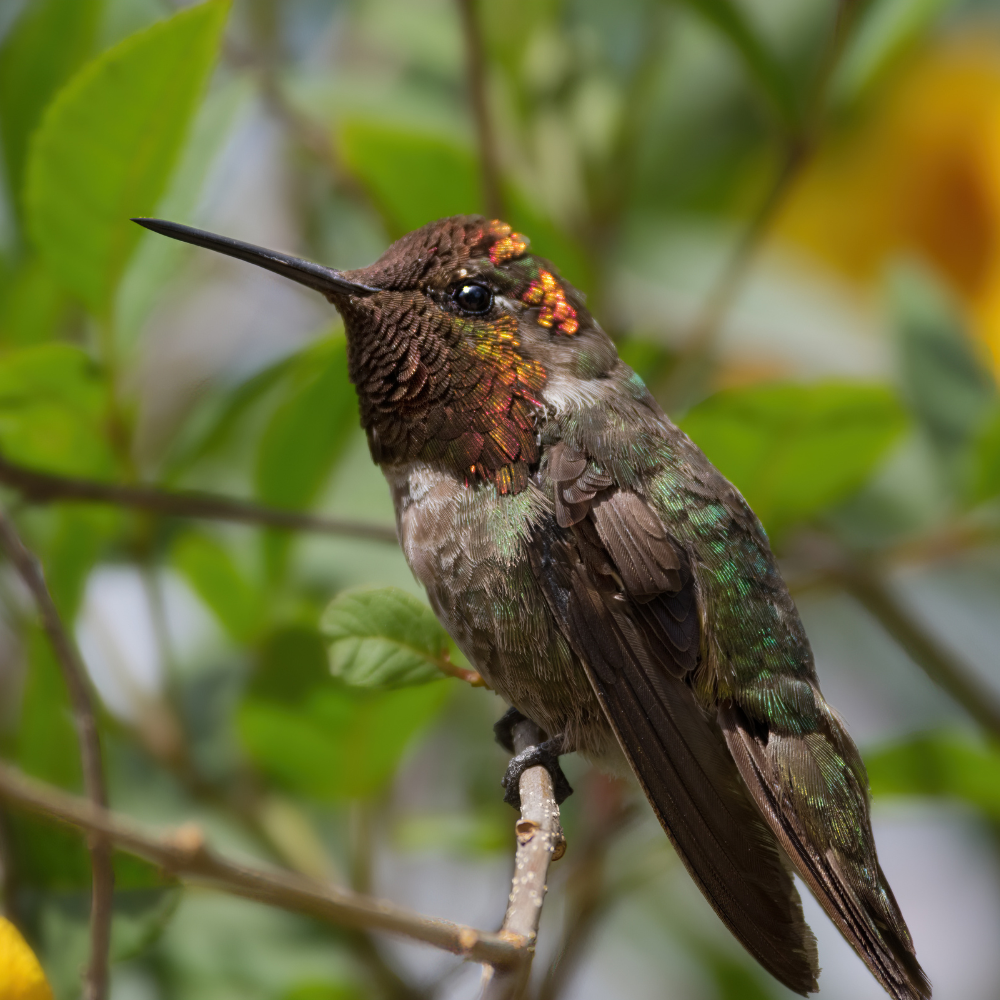
Hummingbirds bring energy, color, and movement to the garden. The right plants provide the nectar they need and encourage repeat visits throughout the year. In this article, we highlight some of the best Hummingbird Plants for Southern California gardens. These beautiful plants support wildlife while adding vibrant blooms to your landscape.

What Hummingbirds Look For

attract hummingbirds

Bright Tubular Shaped Flowers

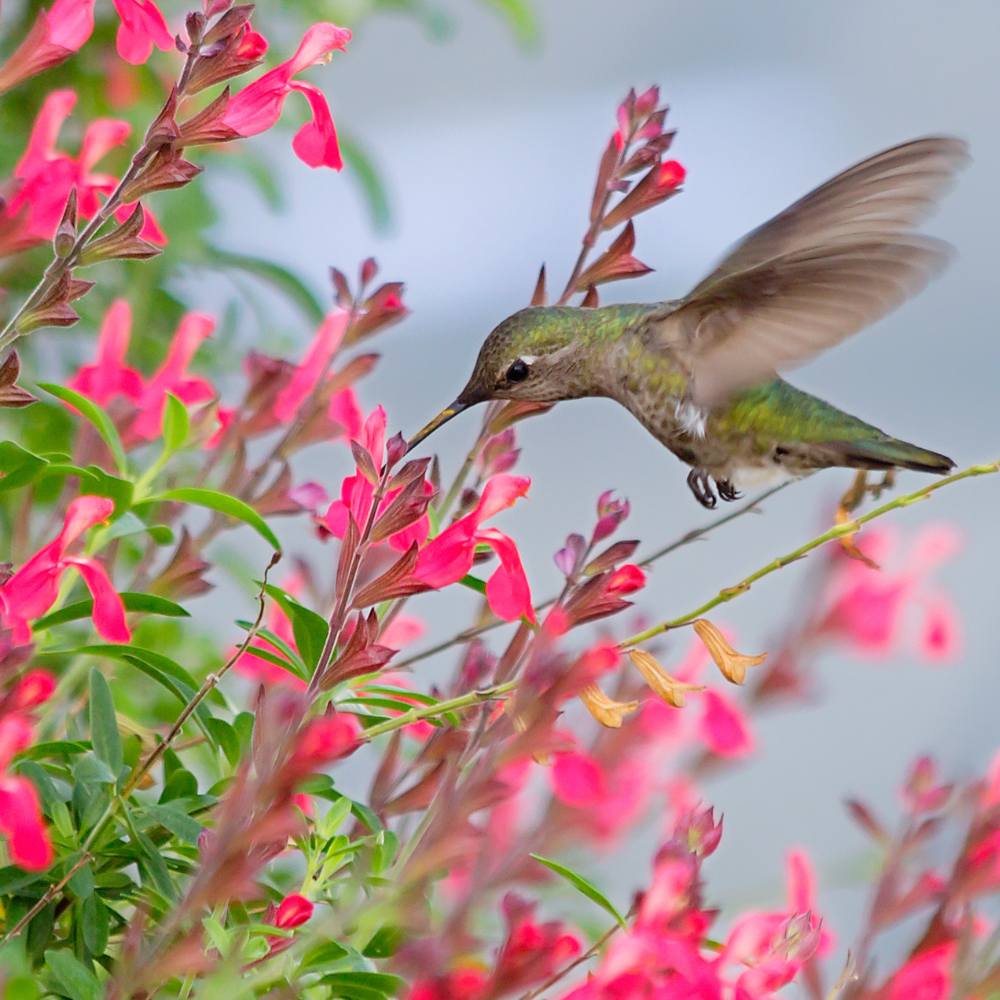
Hummingbirds are drawn to brightly colored flowers, particularly red, orange, and pink blooms. Tubular-shaped flowers are their favorite, as they allow easy access to nectar. Providing a mix of native and drought-tolerant plants ensures a steady supply of food, even in challenging climates.

attract humingbirds sages

California Native Sages (Salvia species)

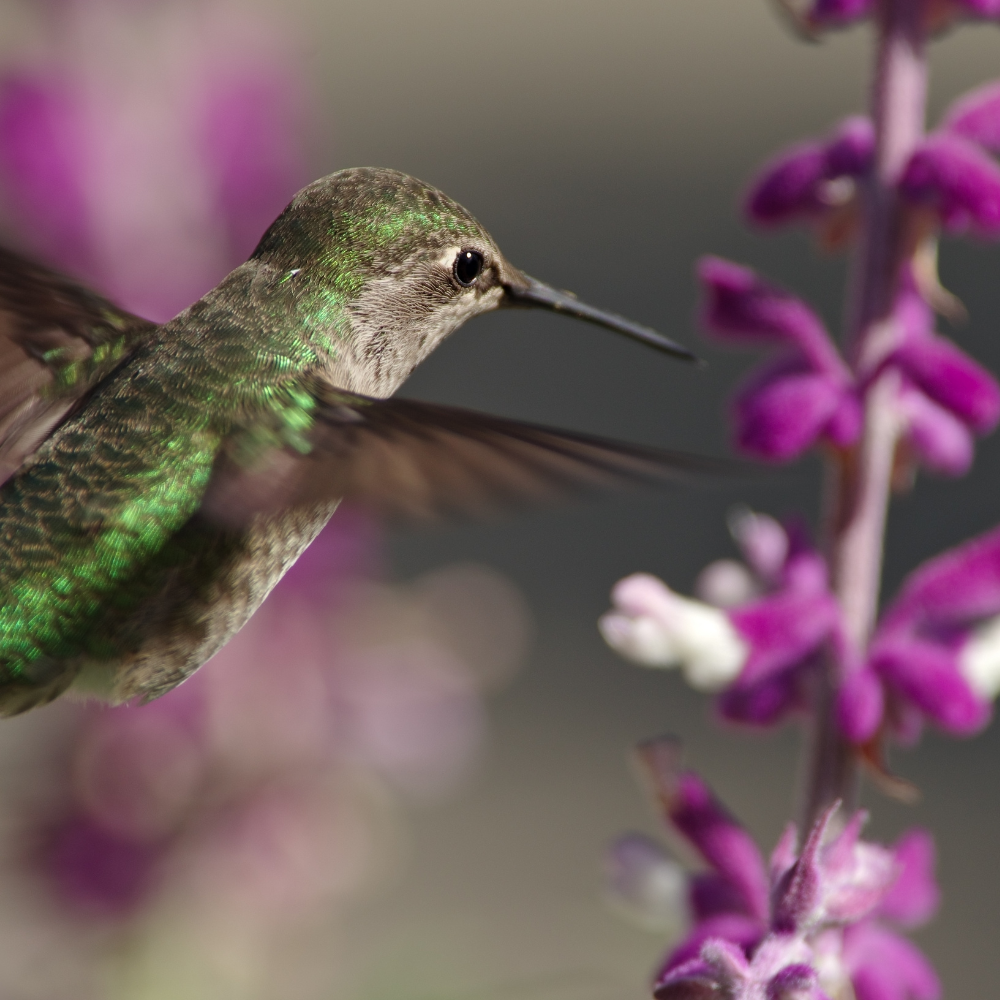
Native sages are among the best hummingbird plants in California. Their long bloom season provides a reliable nectar source while supporting local pollinators.

Shop our selection of California Sages

attract hummingbirds fuchsia

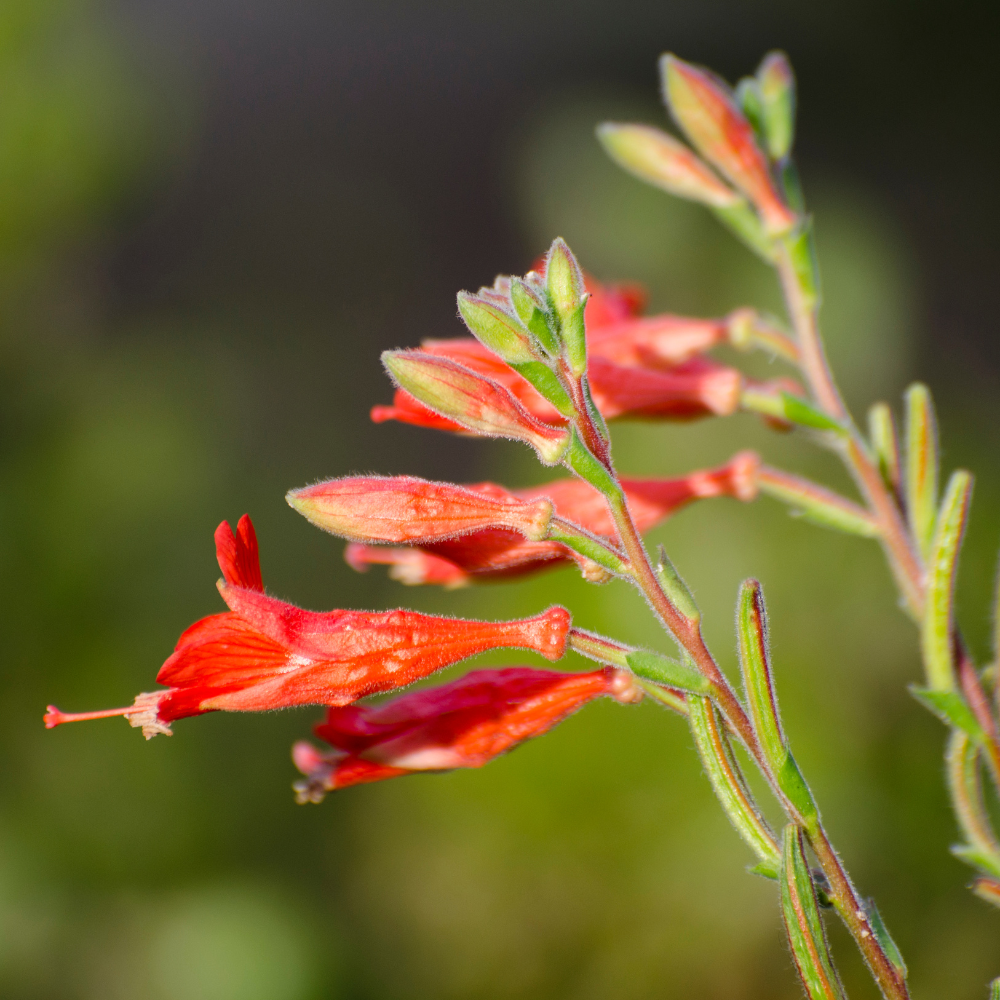
California Fuchsia (Epilobium canum)


One of the most valuable late-summer and fall nectar plants. Its bright red tubular flowers are a hummingbird favorite when many other plants have stopped blooming.

Buy California Fuchsia

attract hummingbirds water

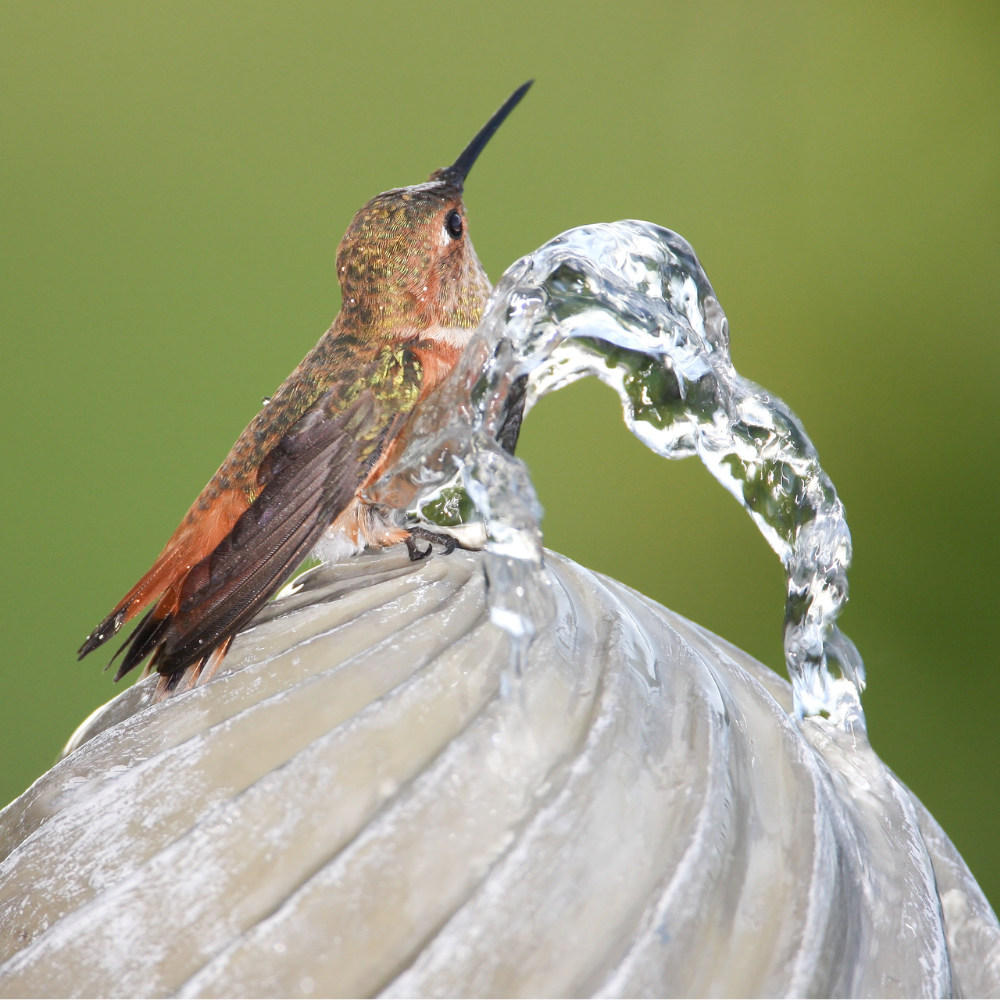
A Water Source


One of the most valuable late-summer and fall nectar plants. Its bright red tubular flowers are a hummingbird favorite when many other plants have stopped blooming.

attract hummingbirds shelter

Shelter and Perching Spots

Small trees, shrubs, and sturdy branches provide places for hummingbirds to rest, watch for rivals, and seek protection from predators and weather.

Posted on

How to Attract Butterflies to Your Garden: Plants, Habitat & Tips

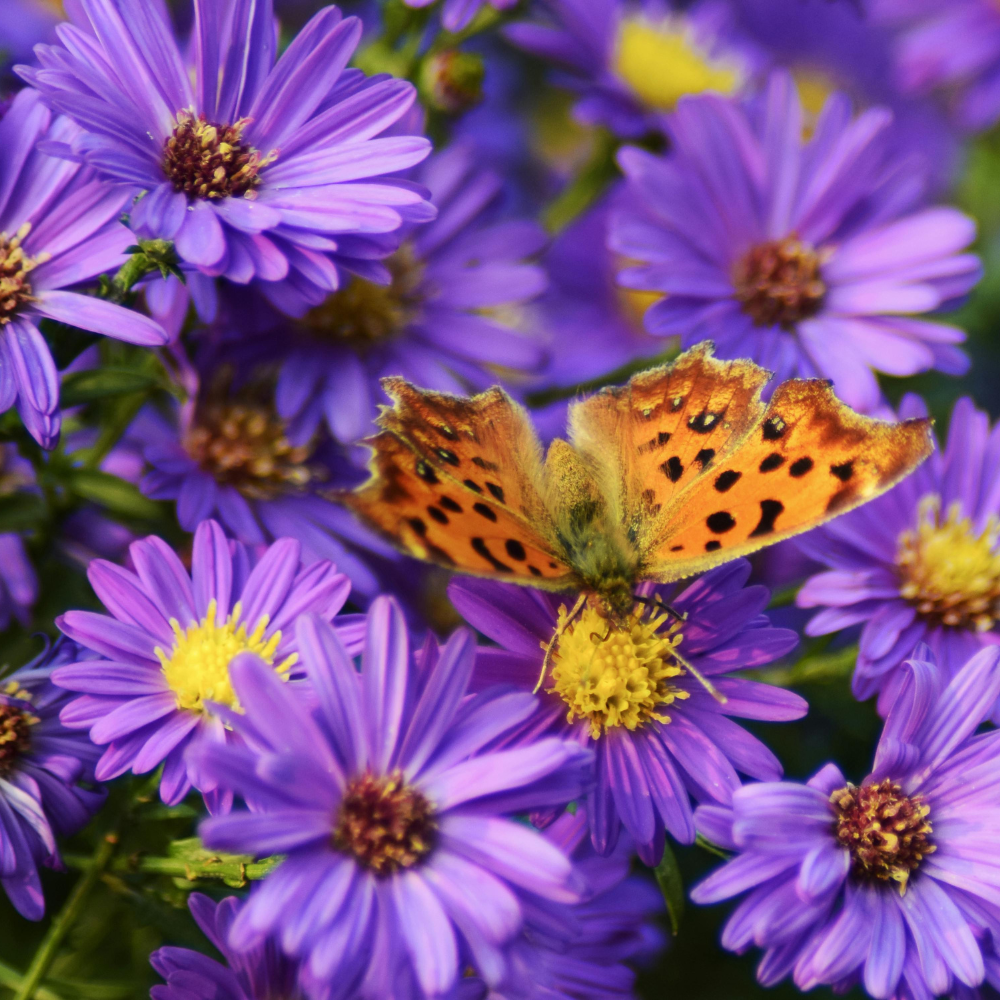
attract butterflies

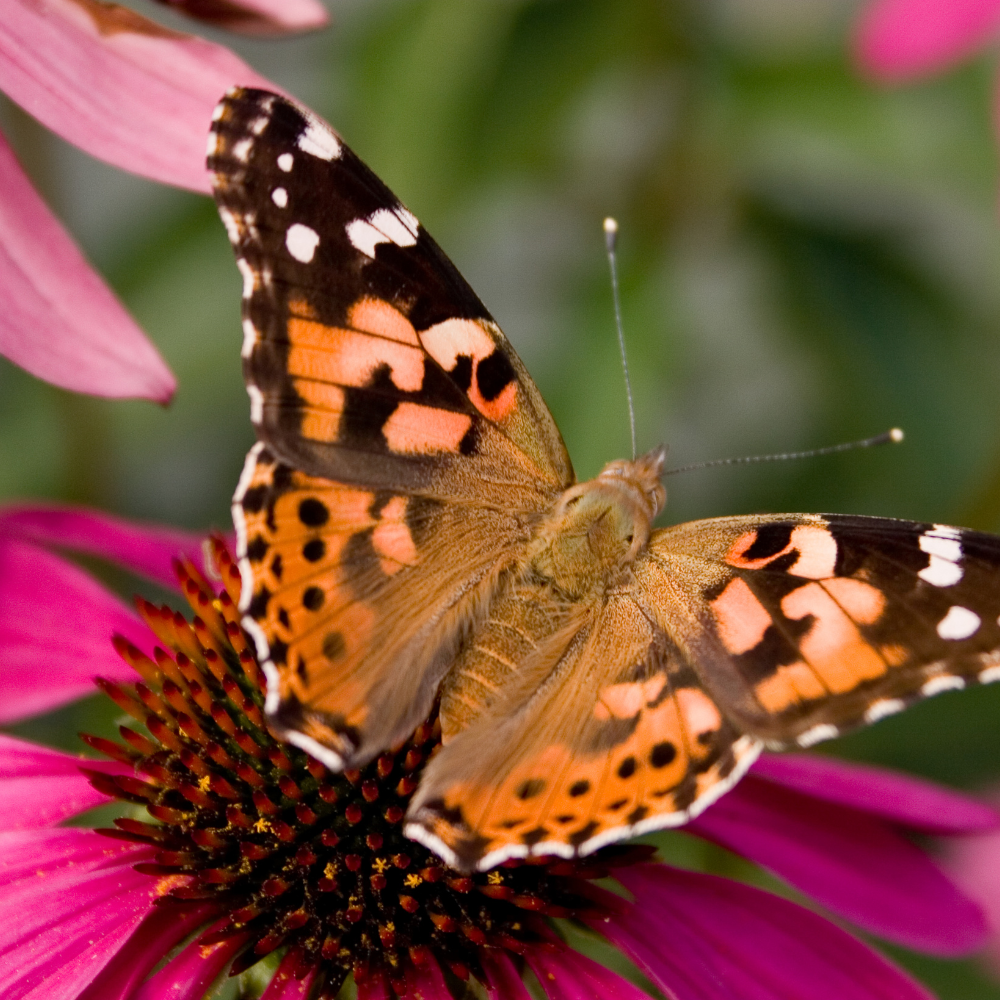
Butterflies are drawn to gardens filled with vibrant, nectar-rich blooms.

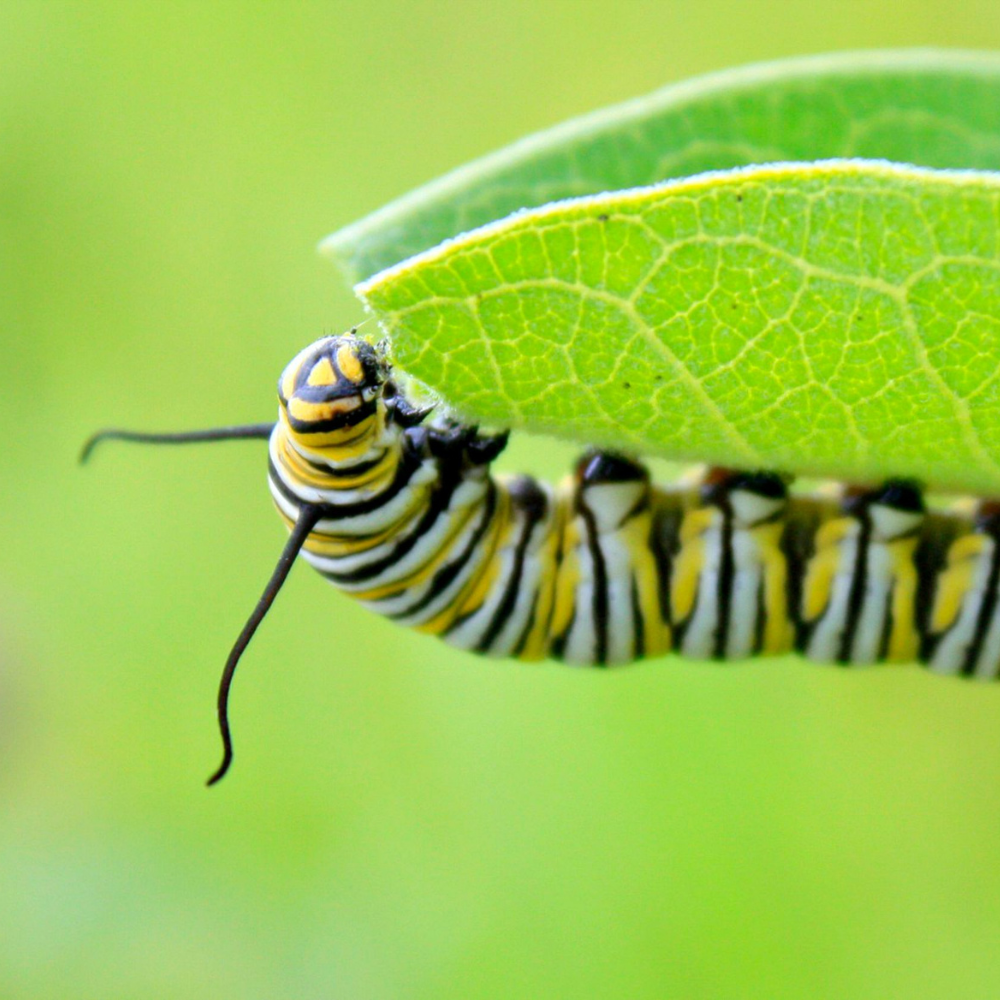
Attracting Butterflies starts with providing the plants and habitat they need to survive. Adult butterflies visit flowers for nectar, while caterpillars depend on specific host plants for food. By combining both types of plants, you can support every stage of a butterfly’s life cycle. This guide shares simple ways to create a garden that attracts and supports butterflies in Southern California.

Here are the top 3 tips that attract butterflies to your garden

Flowers that are flat or clustered, providing a perfect landing pad for feeding.

Bright colors like red, orange, pink, purple, and yellow are especially appealing to butterflies, while fragrant flowers add an extra layer of attraction.

Host Plants – Beyond nectar, many butterfly species also rely on host plants for their larvae, making diverse planting essential.

To create the perfect butterfly garden, choose a sunny spot sheltered from strong winds. Incorporate a variety of native and drought-tolerant plants to ensure a continuous bloom cycle throughout the seasons. Adding water sources, like shallow dishes with wet sand, can further entice these beautiful pollinators.

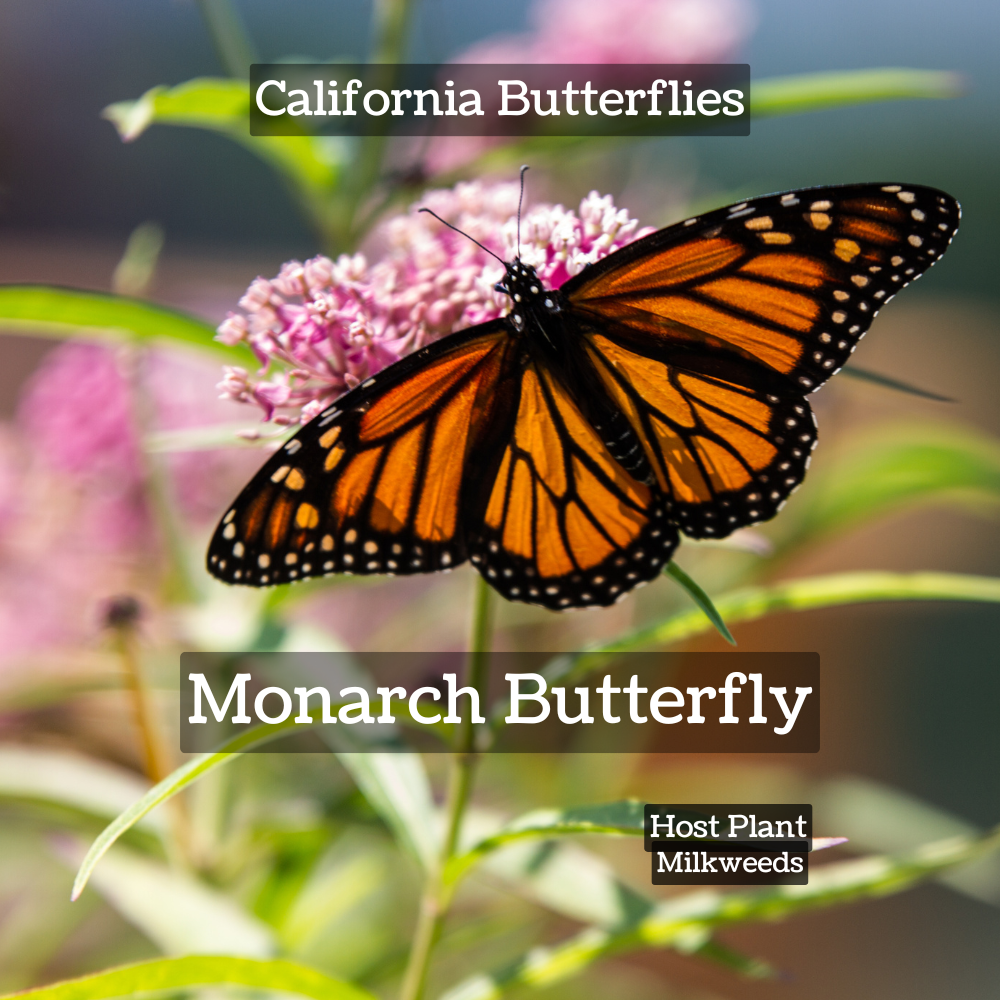
attract butterflies monarch
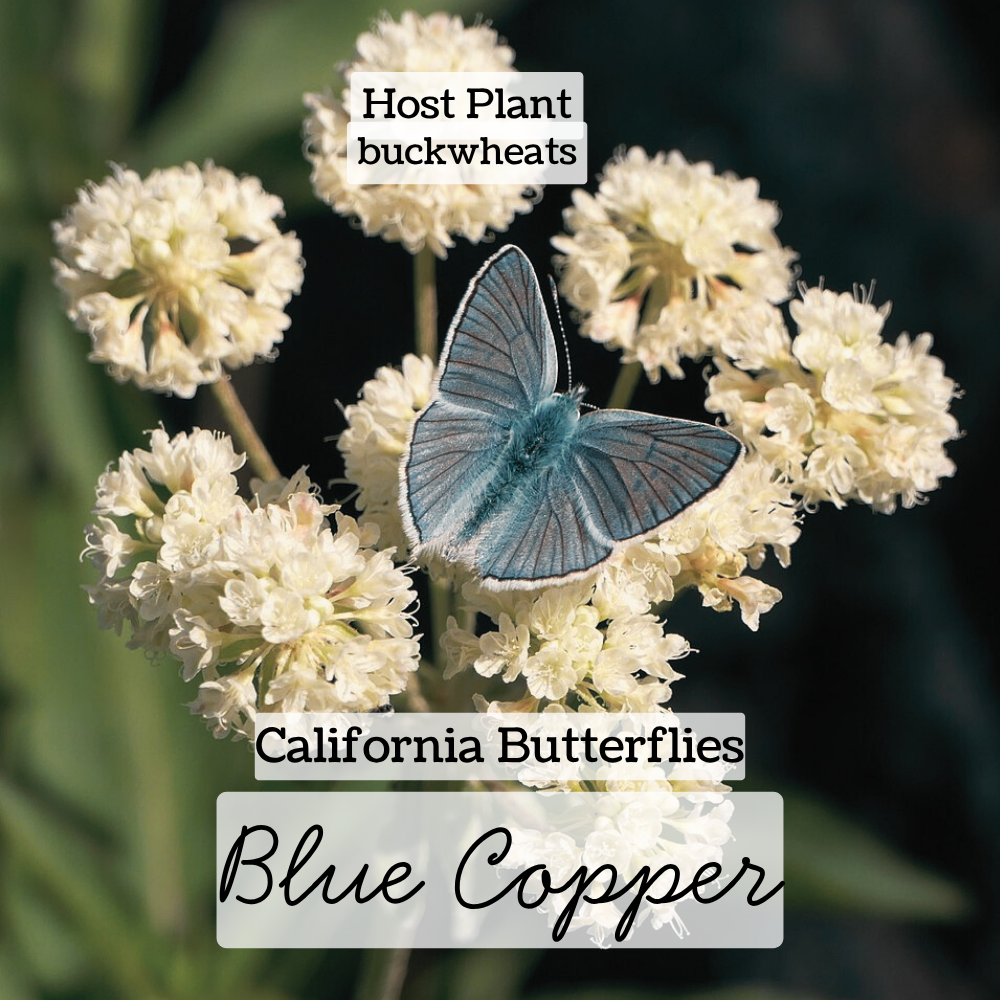
california butterfly blue copper
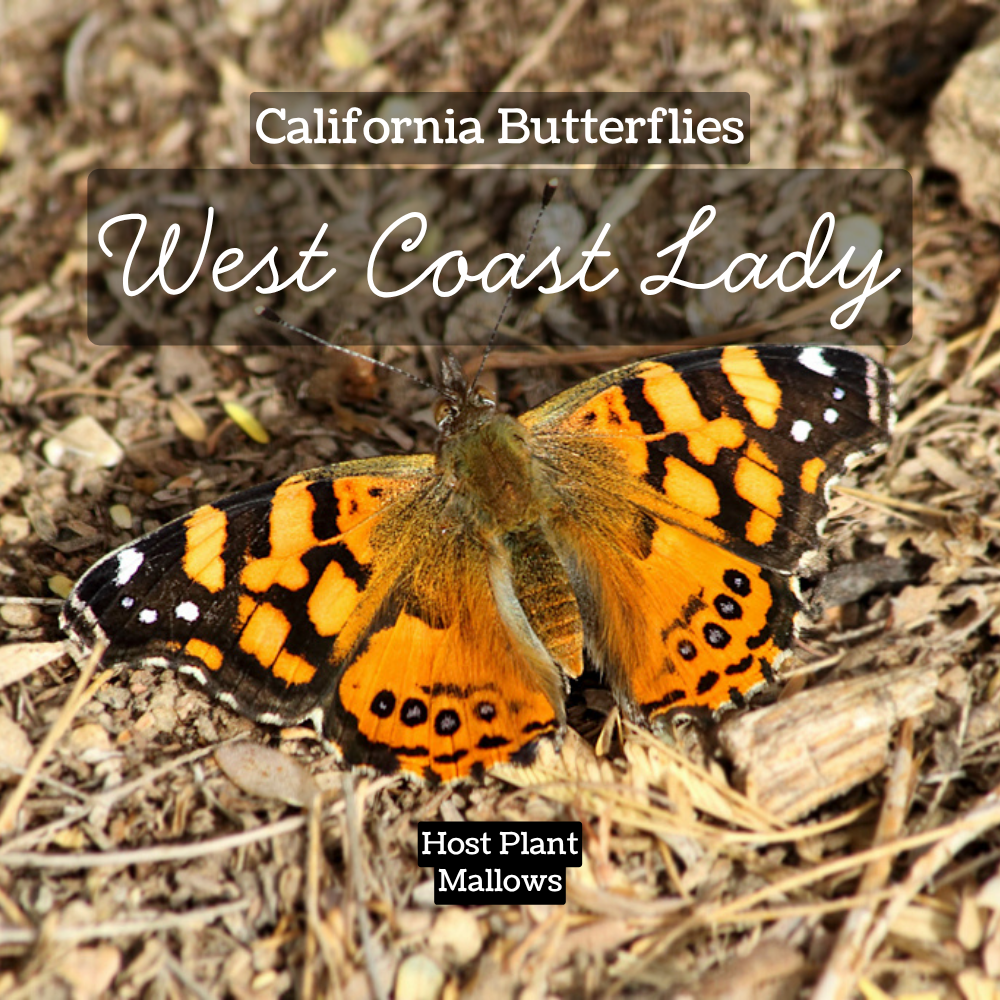
attract butterflies west coast lady
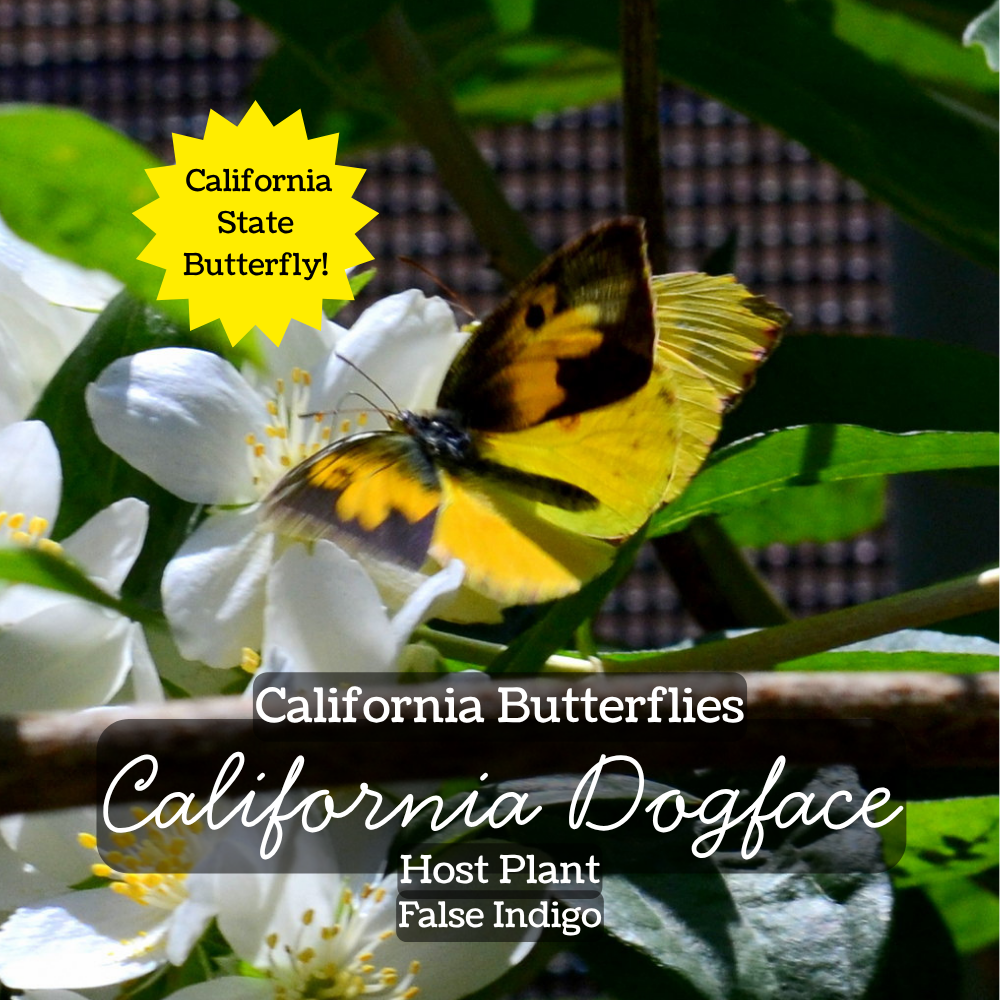
attract butterflies dogface
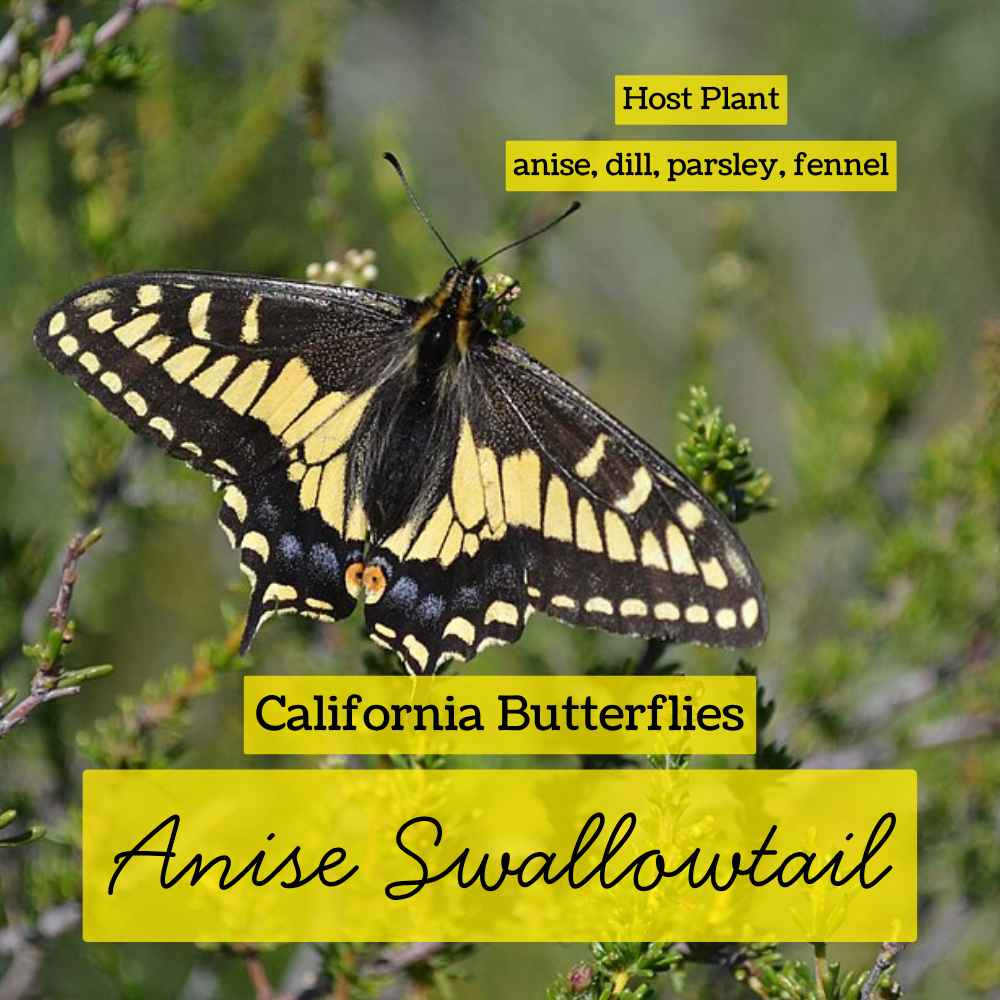
attract butterflies swallowtail
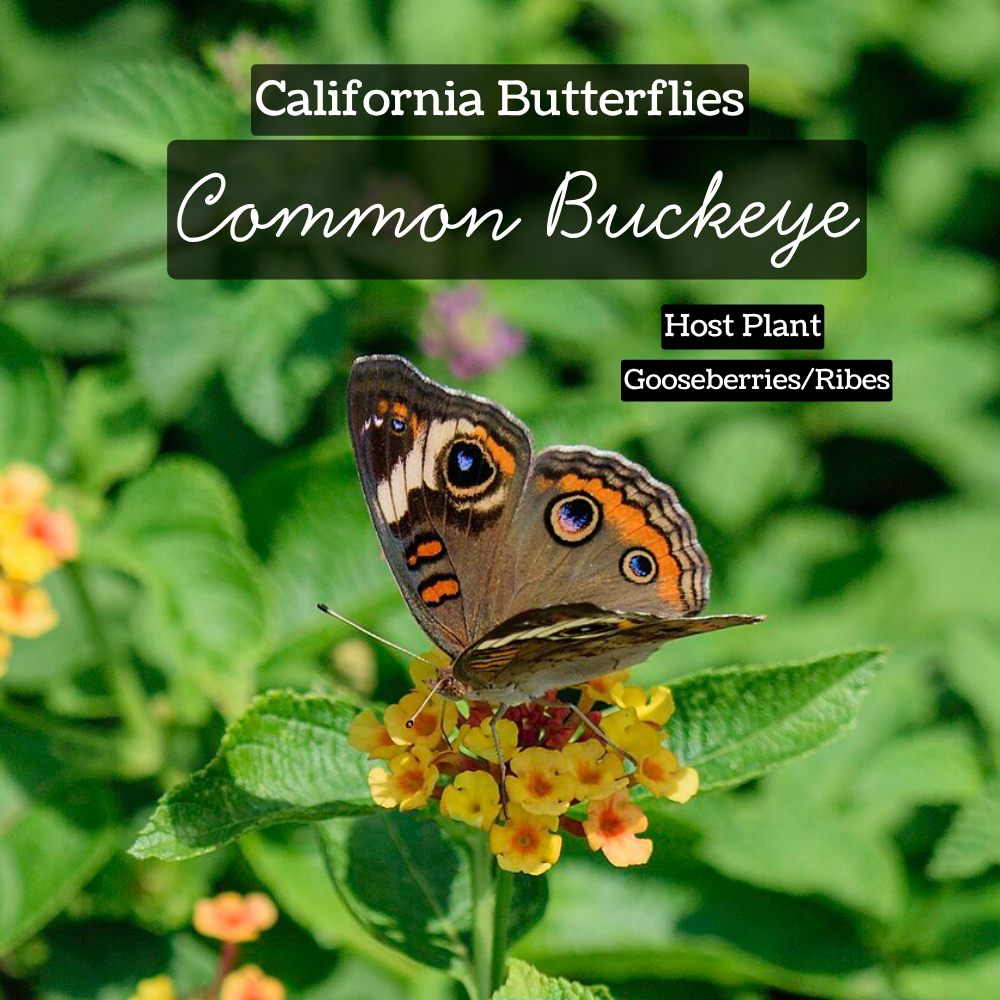
attract butterflies common buckeye
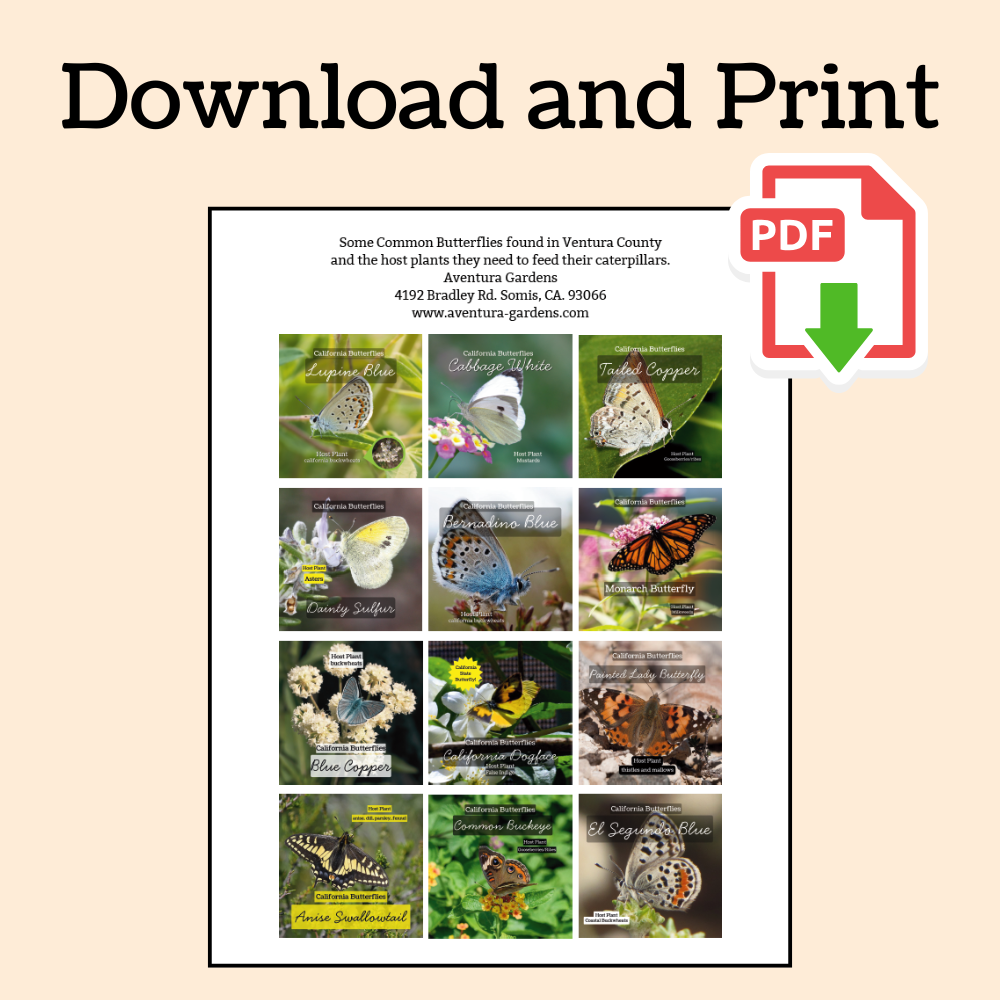
attract butterflies host printout

Download the complete quick reference guide

Free Hi-Res Full-Color quick reference single sheet of the most common Southern California Butterflies and the host plants they need.

Posted on

Popular Salvias of the West Coast

california sages

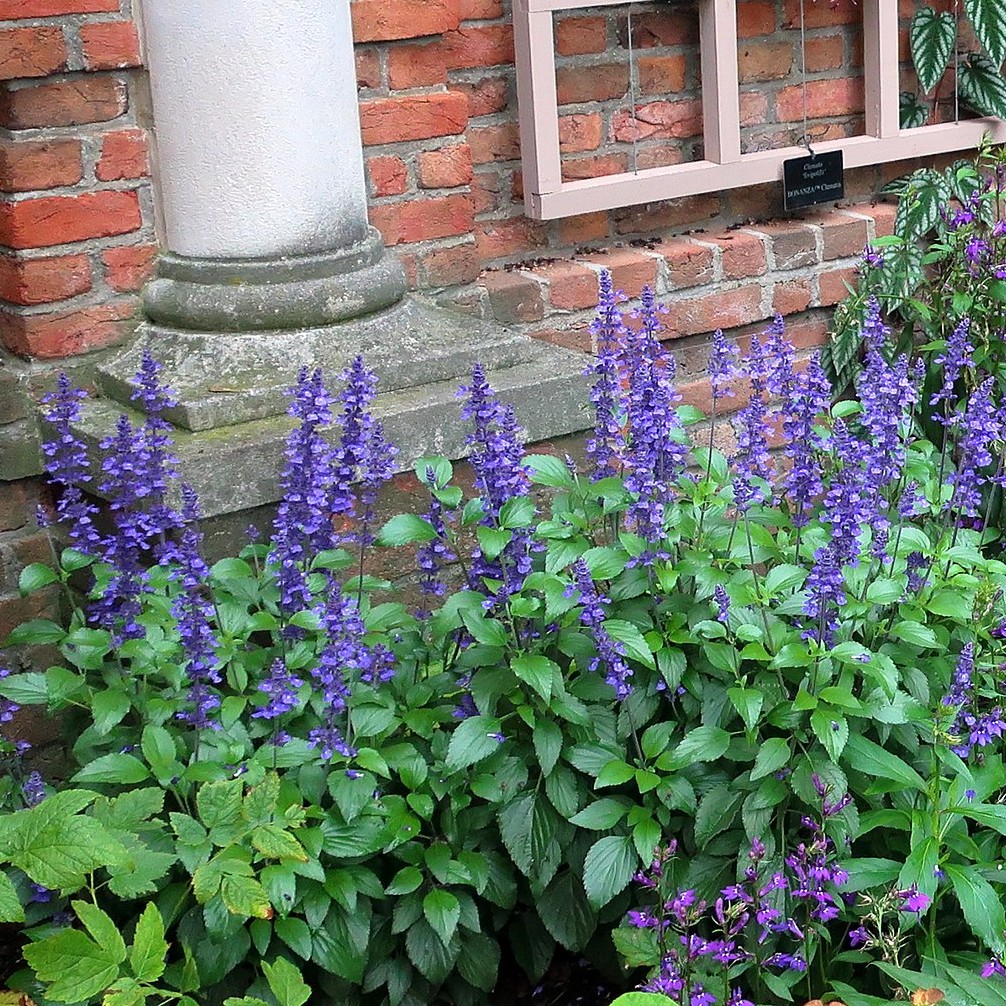
Salvias are showstoppers in any California or West Coast garden. Beloved for their fragrant foliage, long bloom season, and pollinator appeal, these California native salvia plants are some of the most popular and dependable varieties you’ll find. These are the standards—time-tested, crowd-favorite sages we grow at our nursery because they thrive in local conditions and keep hummingbirds, bees, and butterflies coming back for more.

Most Popular Salvias for your Garden

Salvia ‘Allen Chickering’

Deep purple flowers, late spring to summer
2–3 ft tall, 2–3 ft wide

A hybrid with large, showy blooms and aromatic foliage, notable for its robust growth and rich color. It stands out by combining vigor with garden elegance, making it a staple for pollinator gardens.
Attracts: Bees, hummingbirds


Salvia apiana (White Sage)

White flowers, late spring to summer
3–5 ft tall, 3–5 ft wide

This sacred and aromatic plant is one of the most popular native California salvia varieties, known for its striking silver foliage and tall flower spikes. A favorite for pollinators, it also holds deep cultural significance. Needs full sun and excellent drainage.
Attracts: Native bees, butterflies

Available in Nursery and Online


Salvia brandegeei (Brandegee’s Sage)

Deep violet-blue flowers, late spring to summer
3–6 ft tall, 3–5 ft wide

A rare coastal sage with striking violet-blue flowers and aromatic gray-green foliage. It stands out for its salt tolerance and preference for coastal bluff habitats. A beautiful choice for gardens near the ocean or in dry shade.
Attracts: Hummingbirds, native bees


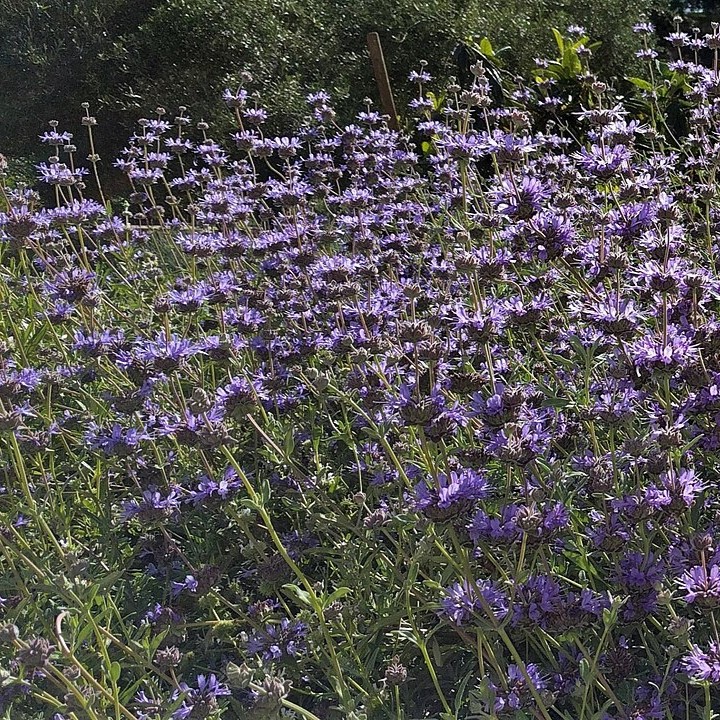
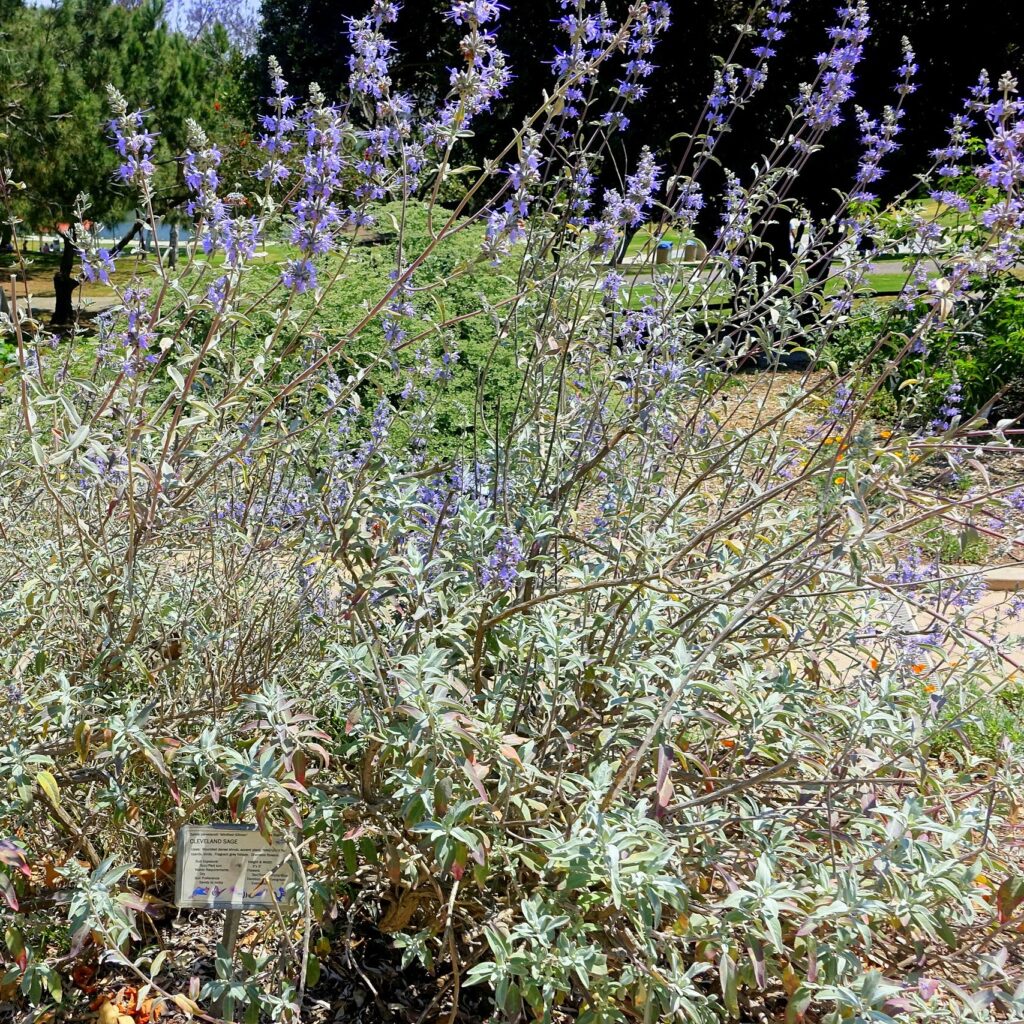
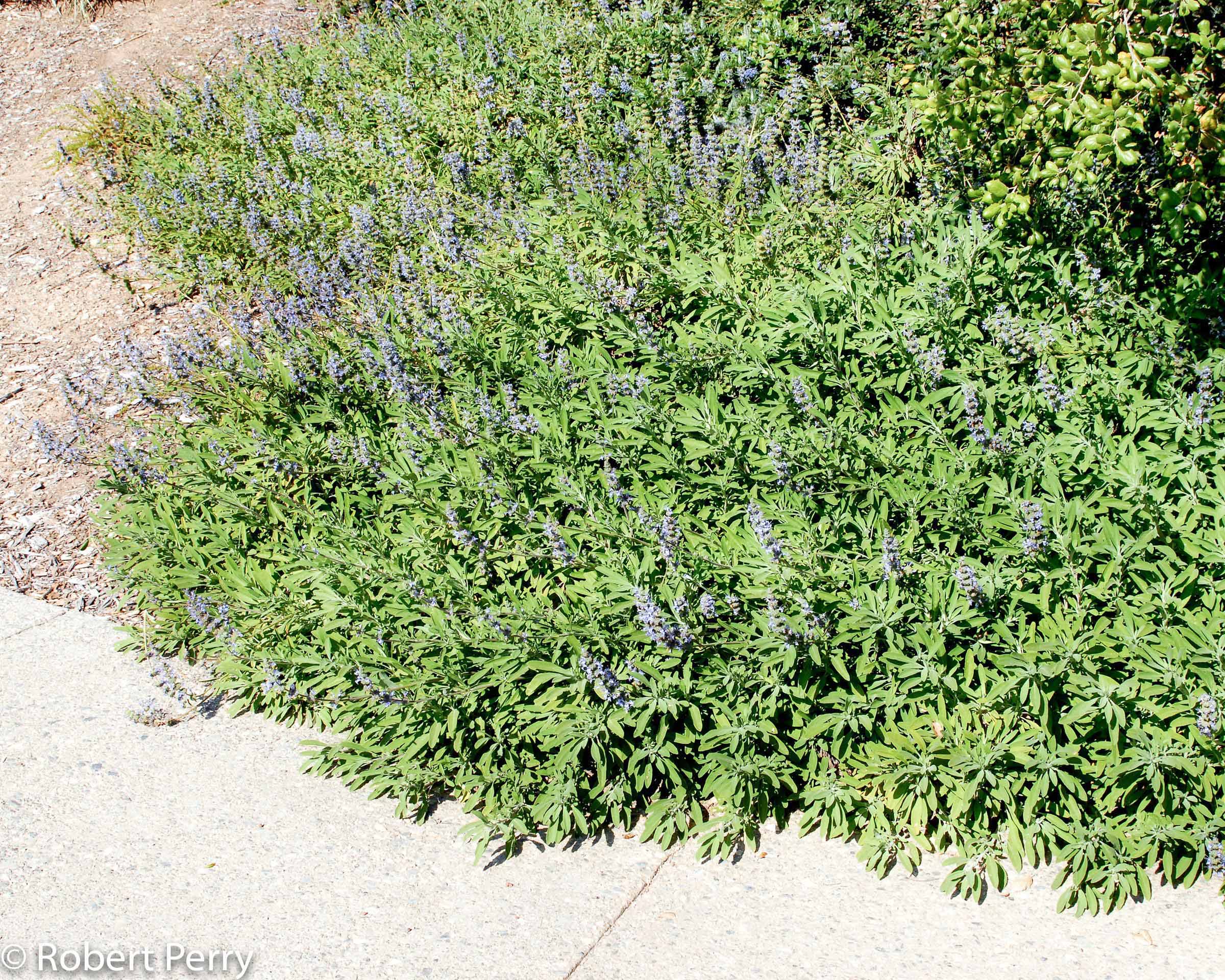
Salvia clevelandii (Cleveland Sage)

Deep blue to purple flowers, spring to early summer
3–5 ft tall, 3–6 ft wide

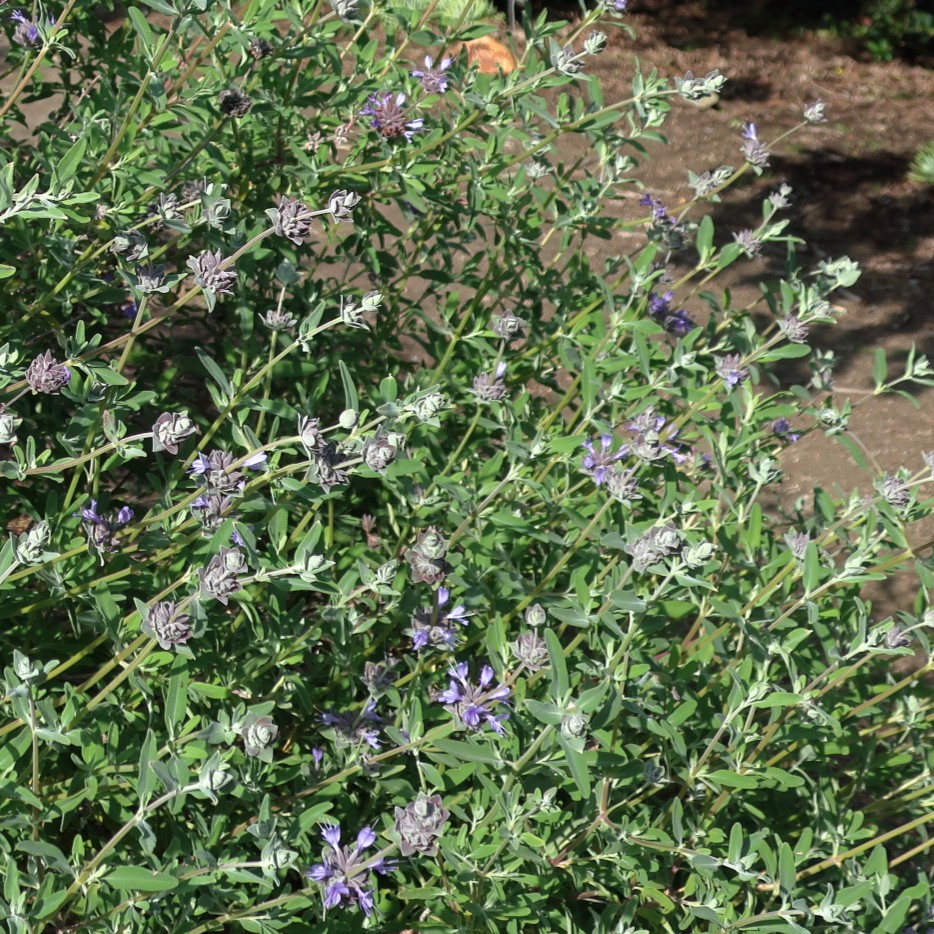
One of the most fragrant and popular native California salvia varieties, Cleveland Sage stands out with its round clusters of lavender blooms and intensely aromatic leaves. It’s a showstopper in dry gardens and thrives in full sun.
Attracts: Bees, hummingbirds, butterflies


salvia bees bliss

Salvia ‘Bee’s Bliss’

Bright blue flowers, late spring to summer
1–2 ft tall, 2–3 ft wide

A compact hybrid known for its intense blue blossoms and long flowering season. Stands out with prolific blooms and a tidy growth habit, making it perfect for small gardens or containers. Very drought tolerant and low maintenance.
Attracts: Bees, hummingbirds

Available in Nursery and online


Salvia ‘Lemonii’ (Lemon’s Sage)

Red flowers, late spring to summer
2–3 ft tall, 2–3 ft wide

Recognizable by its striking purple stems and fragrant leaves, this cultivar offers an unusual contrast to typical green-stemmed sages. It performs well in both sun and part shade, adding unique texture and color.
Attracts: Bees, butterflies, and hummingbirds


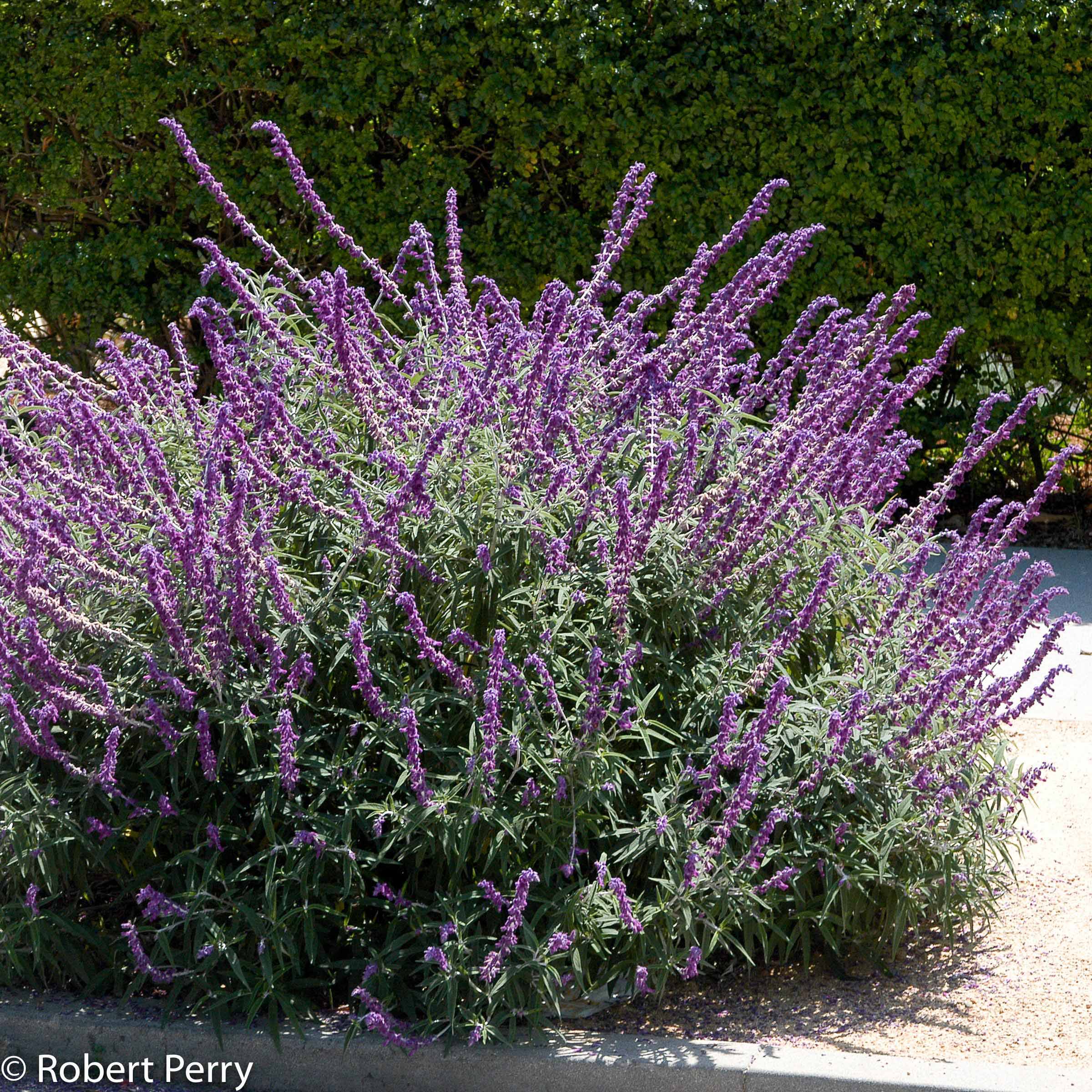
Salvia leucantha (Mexican Sage)

Purple and white flowers, late summer to fall
3–4 ft tall, 3–5 ft wide

Known for its velvety purple flower spikes with white calyxes, this sage blooms later than many natives, extending nectar availability. It stands out for its soft, ornamental texture and hummingbird appeal. Prefers well-drained soil with some afternoon shade.
Attracts: Hummingbirds, bees, butterflies


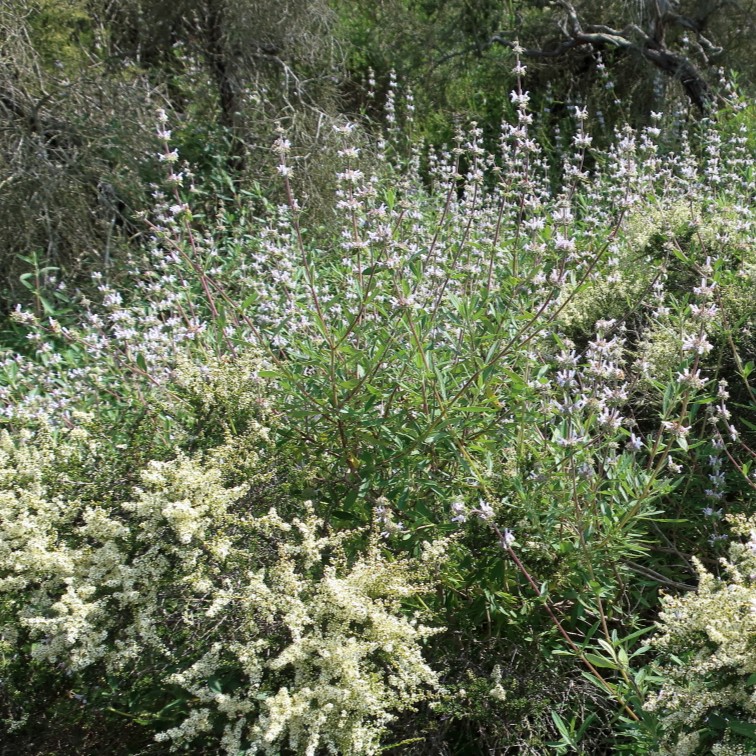
Salvia mellifera (Black Sage)

White to pale lavender flowers, spring to early summer
3–5 ft tall, 3–5 ft wide

A fragrant, hardy shrub with dark green foliage and nectar-rich blooms. It stands out for its resilience in dry, rocky soils and its importance in native pollinator ecosystems.
Attracts: Bees, hummingbirds, butterflies


Salvia ‘Mrs. Beard’

Lavender-blue flowers, late spring to summer
2–3 ft tall, 2–3 ft wide

A compact, well-branched cultivar with prolific flowers and aromatic foliage. Stands out for its neat form and ability to attract pollinators throughout the growing season.
Attracts: Bees, hummingbirds


Salvia munzii (Munz’s Sage)

Lavender to purple flowers, winter to spring
2–4 ft tall, 2–3 ft wide

A rare, early-blooming coastal sage with a compact form and aromatic leaves. Its winter bloom time sets it apart by providing nectar when few others flower. Thrives in dry, well-drained soils near the coast.
Attracts: Native bees, hummingbirds


Salvia ‘Mystic Spires’

Purple-blue flowers, late spring to summer
3–4 ft tall, 2–3 ft wide

A garden favorite with towering spires of vibrant blooms and a graceful form. Notable for its upright habit and long-lasting flowers, it adds vertical interest unlike many shorter sages. Performs well in part sun to full sun.
Attracts: Hummingbirds, bees


Salvia ‘Pozo Blue’

Bright blue flowers, late spring to summer
2–3 ft tall, 2–4 ft wide
A hybrid of Cleveland and White Sage, ‘Pozo Blue’ offers the best of both and is quickly becoming one of the popular native California salvia varieties for low-water landscapes. It’s larger, tougher, and still highly fragrant.
Attracts: Bees, hummingbirds

Available in nursery and online


Salvia spathacea (Hummingbird Sage)

Magenta to pink flowers, spring to early summer
1–3 ft tall, 3–6 ft wide

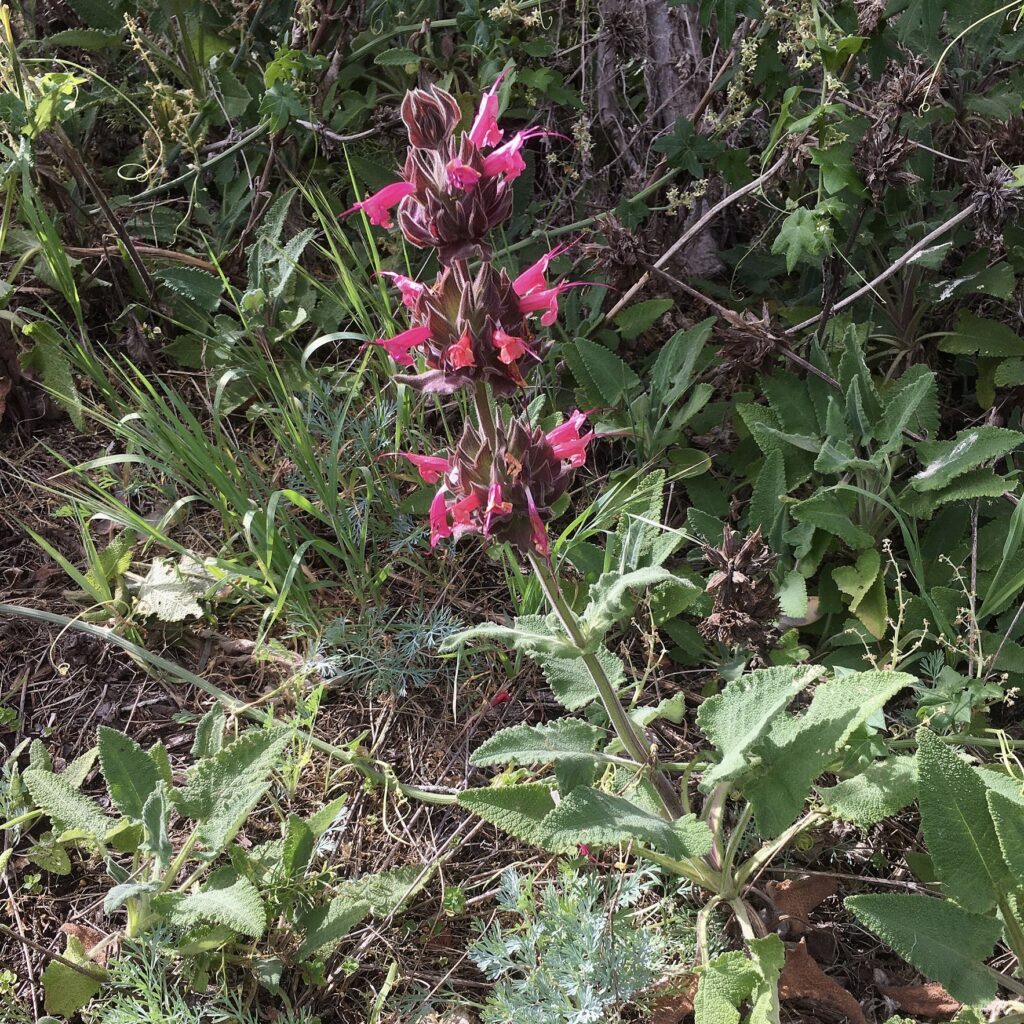
This sage stands out for its strong, sweet fragrance and spreading habit, forming dense mats of aromatic leaves. Its vibrant magenta flower spikes are a magnet for hummingbirds, especially in dry shade. Excellent for groundcover in woodland gardens.
Attracts: Hummingbirds, native bees, butterflies


Salvia coccinea (Scarlet Sage)

Bright red flowers, summer to fall
1–3 ft tall, 1–2 ft wide
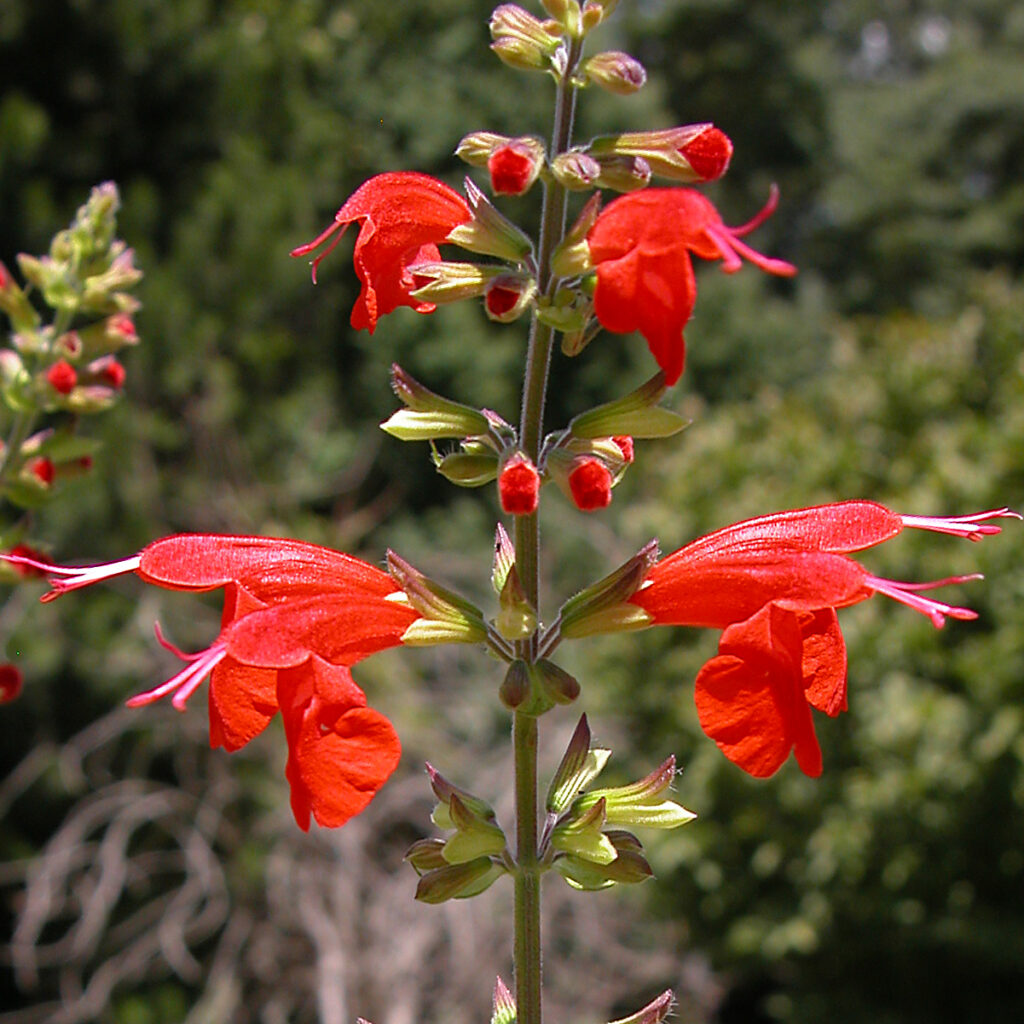
Distinguished by brilliant scarlet blooms and a bushy habit, this sage flowers prolifically in warmer months. It tolerates heat and humidity better than most California sages and attracts hummingbirds in abundance.
Attracts: Hummingbirds, butterflies


Salvia ‘Winifred Gilman’

Soft blue flowers, late spring to summer
2–3 ft tall, 2–4 ft wide

Valued for its delicate blue flowers and dense, compact form, this sage adds softness to gardens. It stands out by balancing showy blooms with tidy foliage, perfect for smaller spaces.
Attracts: Bees, hummingbirds

Available in the Nursery and online

Posted on

Classic Ceanothus Varieties

ceanothus

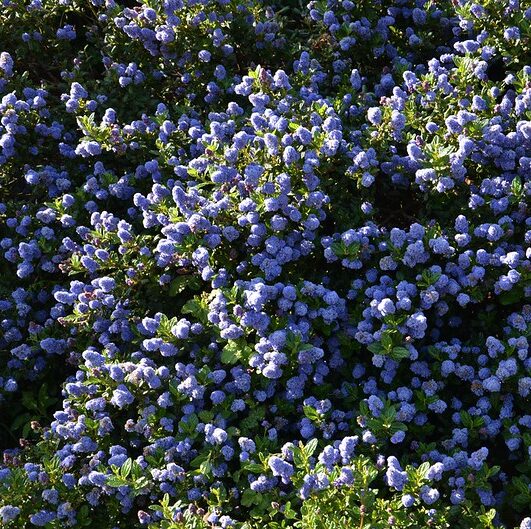
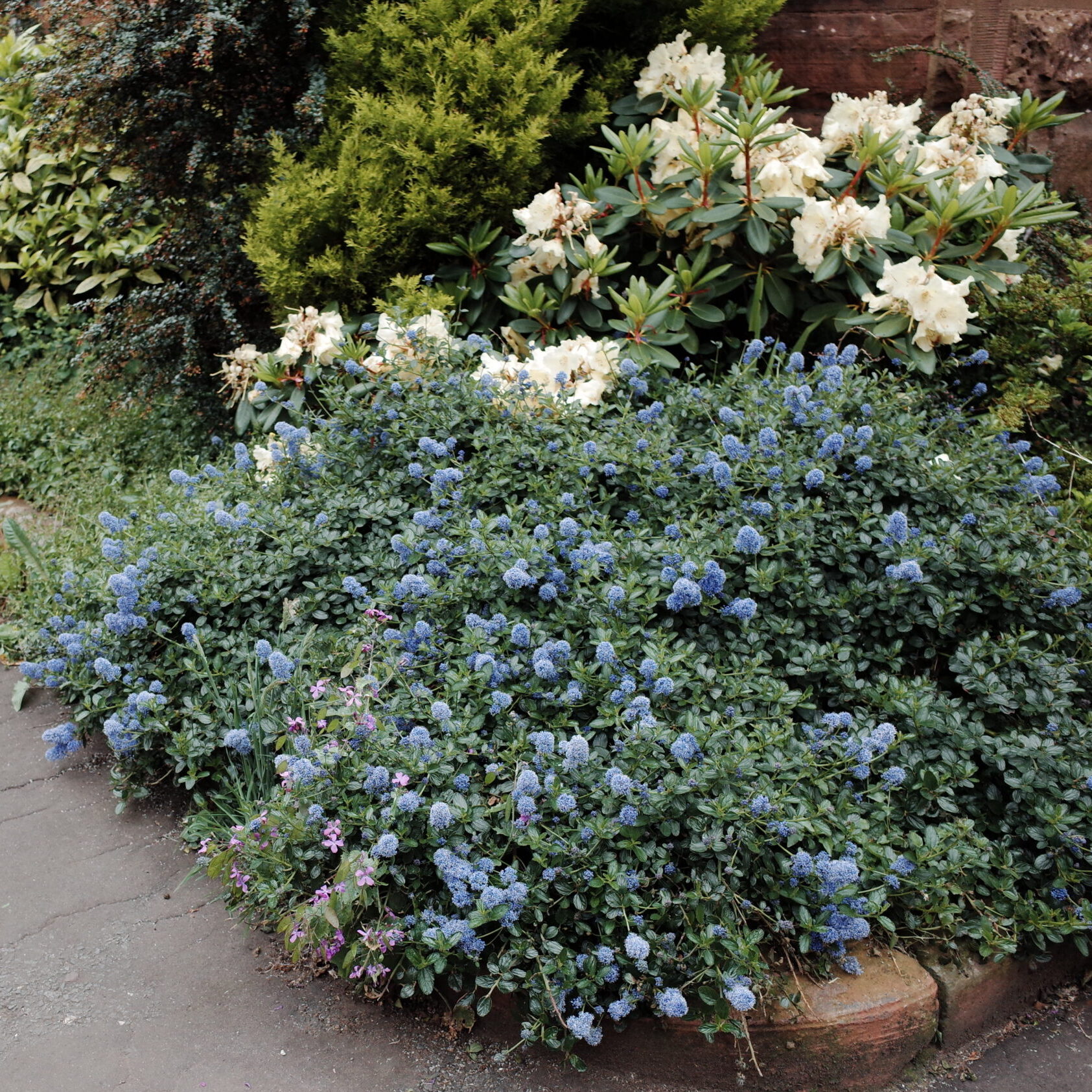
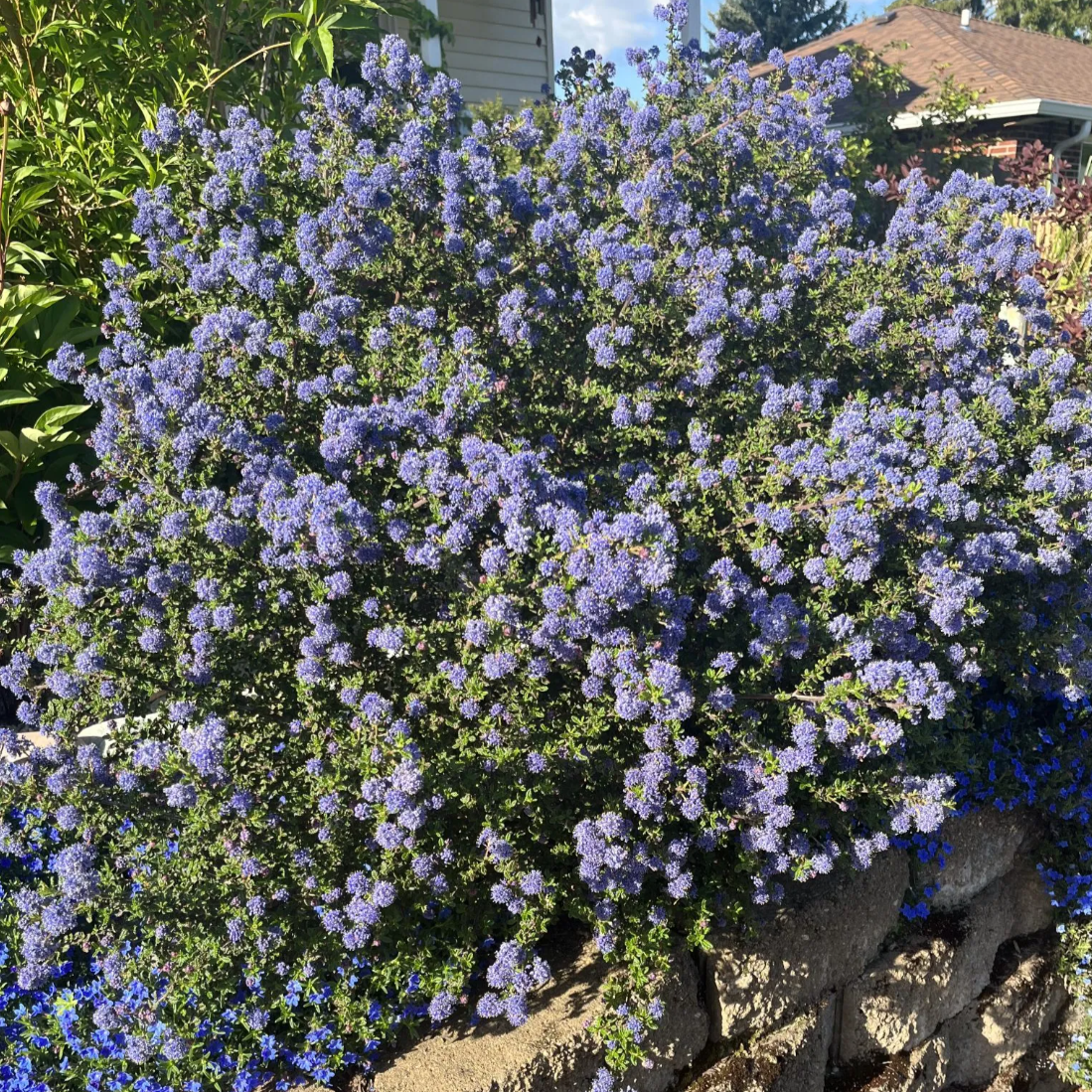
Looking for a beautiful, low-maintenance shrub that supports pollinators and thrives in dry conditions? Ceanothus, also known as California lilac, checks every box. With brilliant blue flowers, evergreen foliage, and remarkable drought tolerance, this iconic native plant is a must-have for pollinator gardens, butterfly habitats, and water-wise landscapes.

In this article, we’ll introduce you to the Ceanothus family and highlight six standout varieties we grow and sell—each one with its own unique features and benefits.

Ceanothus doesn’t just look good—it supports wildlife in powerful ways. These native shrubs are an essential nectar source for local pollinators, especially in the early spring when other blooms are scarce.

Ceanothus supports the full life cycle of several butterfly species, including:

  • California Tortoiseshell
  • Pale Swallowtail
  • Echo Blue
  • These butterflies use Ceanothus as both a nectar source and a host plant—laying eggs on its leaves so caterpillars have immediate access to food. By planting Ceanothus, you’re giving butterflies the shelter and sustenance they need to survive and thrive.

We grow several beautiful and hardy Ceanothus varieties at our nursery. Here’s a closer look at each one:

ceanothus concha

A classic favorite with intense cobalt-blue flowers and arching branches.
Growth Habit: Medium-sized shrub, about 6′ tall and wide.
Gardeners love it because it’s one of the most vibrant and reliable bloomers around.


ceanothus hearstiorum

A rare groundcover native to coastal California, perfect for filling open spaces.
Growth Habit: Low and wide; 1–2′ tall, spreads up to 6′ or more.
Gardeners love it because it’s tough, compact, and originally found near Hearst Castle.


ceanothus julia phelps

An upright shrub with crinkled dark green leaves and clusters of rich blue-violet flowers.
Growth Habit: Upright; 6–8′ tall and wide.
Gardeners love it because it has some of the darkest blue flowers of any Ceanothus.


ceanothus skylark

A compact shrub ideal for small spaces or front-yard landscapes.
Growth Habit: Rounded and tidy; 3–5′ tall and wide.
Gardeners love it because it fits into tight urban gardens without sacrificing beauty.


ceanothus thysriflorus

One of the tallest Ceanothus types, with lush leaves and large flower clusters.
Growth Habit: Tall shrub or small tree; up to 15′ high.
Gardeners love it because it’s highly adaptable and perfect for screening or shaping.


ceanothus yankee point

A vigorous, fast-spreading groundcover that thrives on slopes and banks.
Growth Habit: 2–3′ tall, spreads up to 10′.
Gardeners love it because it was developed at UC Berkeley and offers reliable erosion control.


  • Perfect for native, wildlife, or water-wise gardens
  • Drought-tolerant once established
  • Supports butterflies and native bees
  • Deer-resistant
  • Adds year-round color with evergreen foliage
  • Fast-growing and low-maintenance

We offer these Ceanothus varieties and more at our nursery. Whether you’re creating a butterfly garden, replacing a thirsty lawn, or simply adding beauty to your yard, Ceanothus is a plant that gives back. Visit our shop page to browse current availability or come see the plants in person!
Posted on

Easy California Native Groundcovers

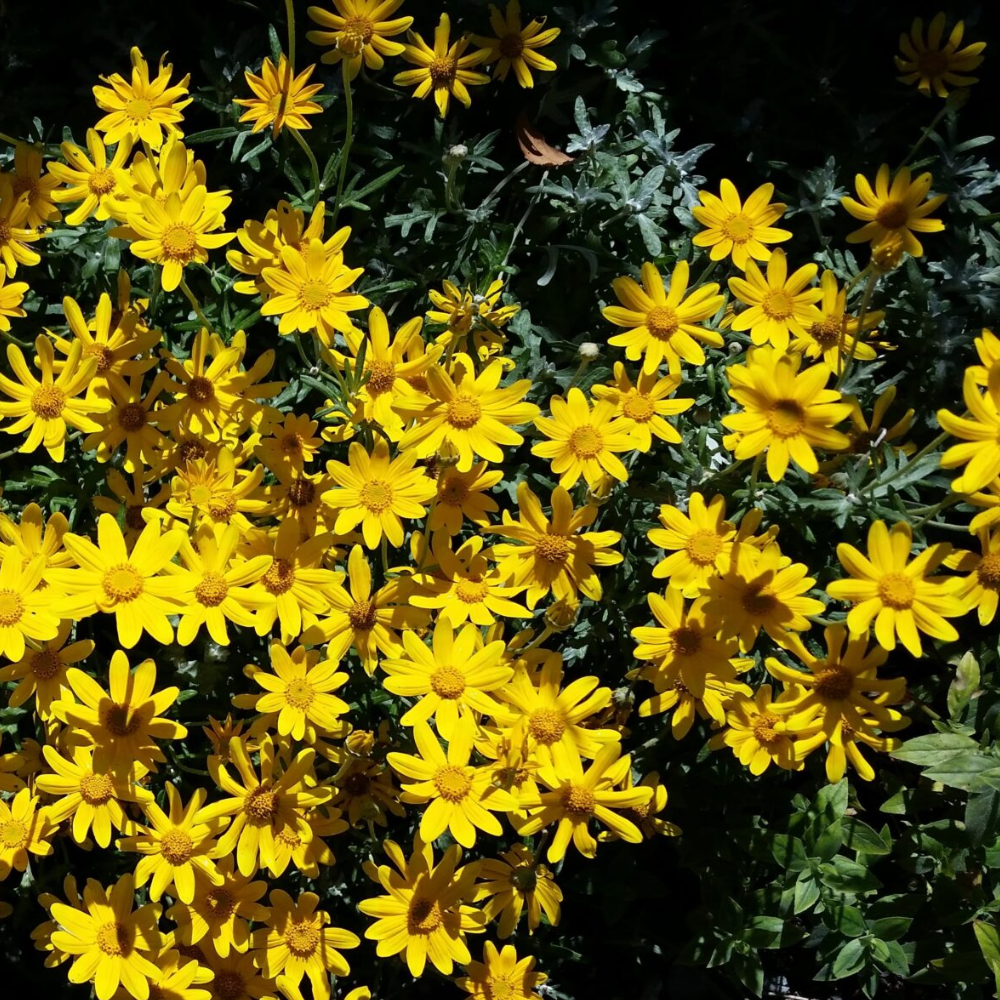
Eriophyllum lanatum Siskiyou

Looking for a beautiful, low-maintenance way to cover bare soil, stabilize slopes, or add texture to your garden?

Native California groundcovers are a smart and sustainable choice. These tough, climate-adapted plants thrive in our dry summers, support pollinators and wildlife, and bring year-round interest with their unique foliage, flowers, and forms. Whether you’re working with full sun, coastal breezes, or shady edges, there’s a native groundcover that fits your space. We have a curated selection ready at our nursery to help you build a garden that’s both resilient and habitat-rich.

Native Groundcovers

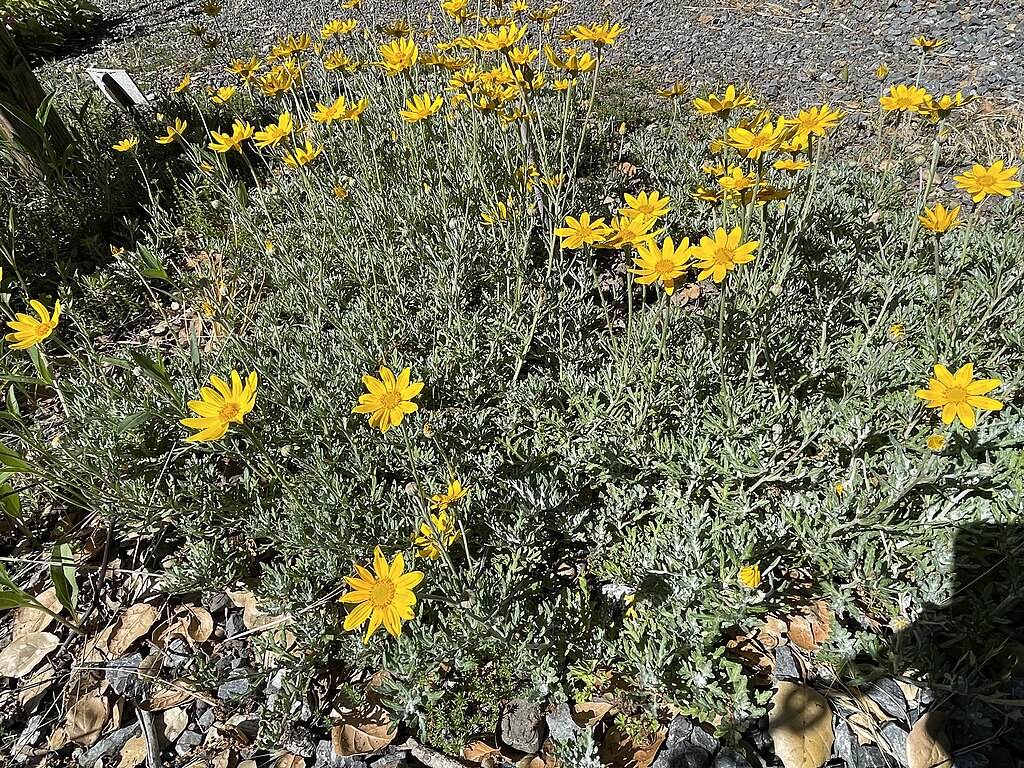
Wooly Sunflower
Sarah Stierch (CC BY 4.0)

Eriophyllum lanarum ‘Siskiyou’ Siskiyou Wooly Sunflower

1 ft tall – 3-4 in wide
A soft, silver-leaved groundcover that produces cheerful yellow daisies from spring through summer. It thrives in full sun, needs little water, and attracts native bees and butterflies. Great for dry slopes and rocky areas.

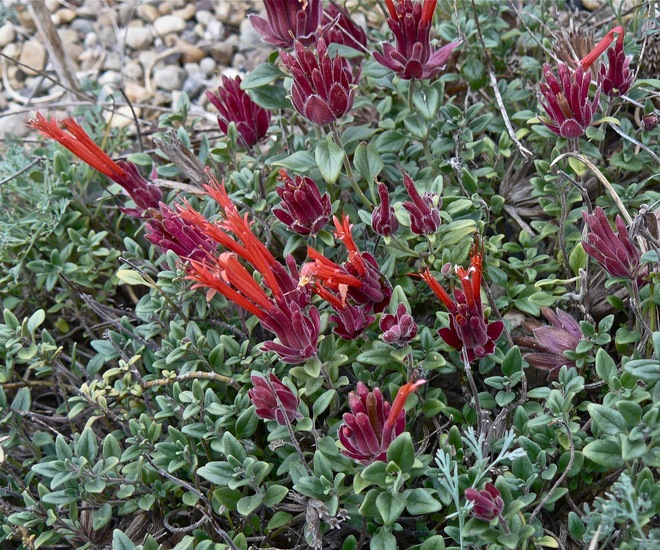
Monardella macrantha Coyote mint groundcover
Jean Pawek (CC BY 4.0)

Monardella macrantha ‘Marian Sampson’ Marion Sampson coyote Mint

6-12 in tall
This tidy, aromatic mint has deep green foliage and vibrant red-orange blooms that attract hummingbirds. It loves full sun, well-draining soil, and brings bold color to dry gardens or containers.

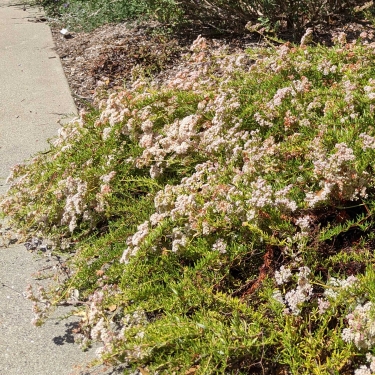
Warriner Lytle Buckwheat groundcover

Eriogonum fasciculatum ‘Warriner Lytle’

1-2 ft tall
An evergreen groundcover with narrow leaves and long-lasting pink-white blooms that fade to rust. Loved by native pollinators, it’s excellent for erosion control and dry, sunny areas.

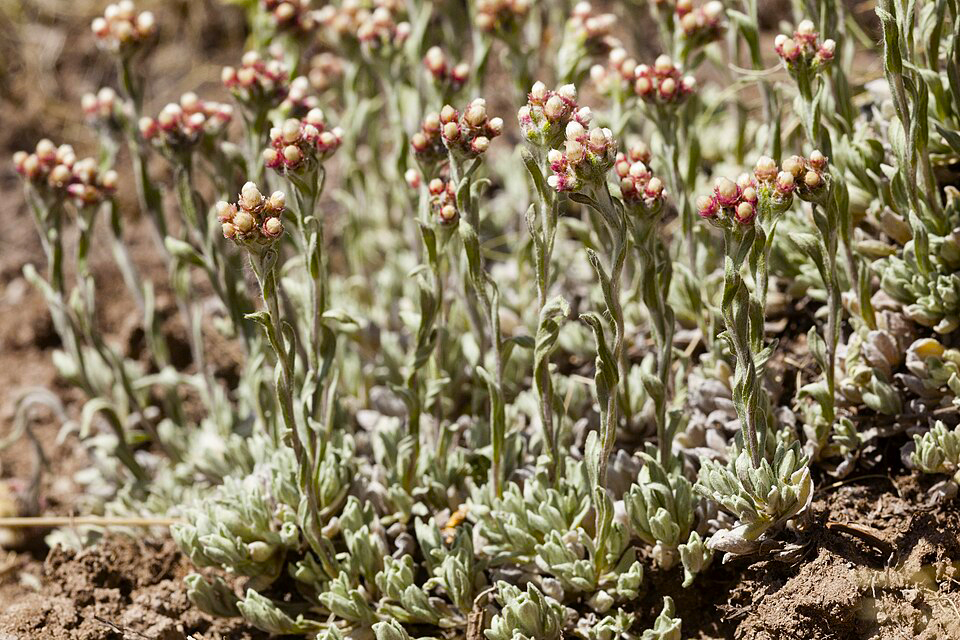
groundcovers Antennaria rosea - Rosy Pussytoes
Antennaria rosea photo by Patrick Alexander

Antennaria rosea – Rosy Pussytoes

4-16in tall
A fuzzy, silver-foliaged native that spreads gently by stolons and offers small pink flower clusters in spring. Drought-tolerant and deer-resistant, perfect for meadows, borders, or dry corners.

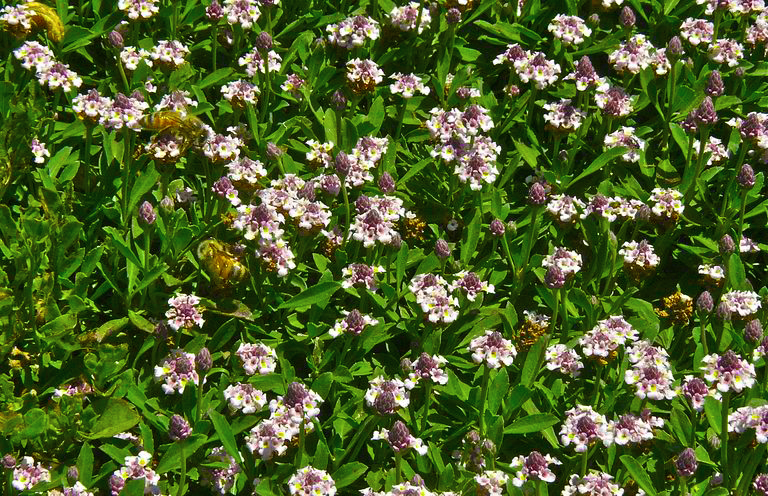
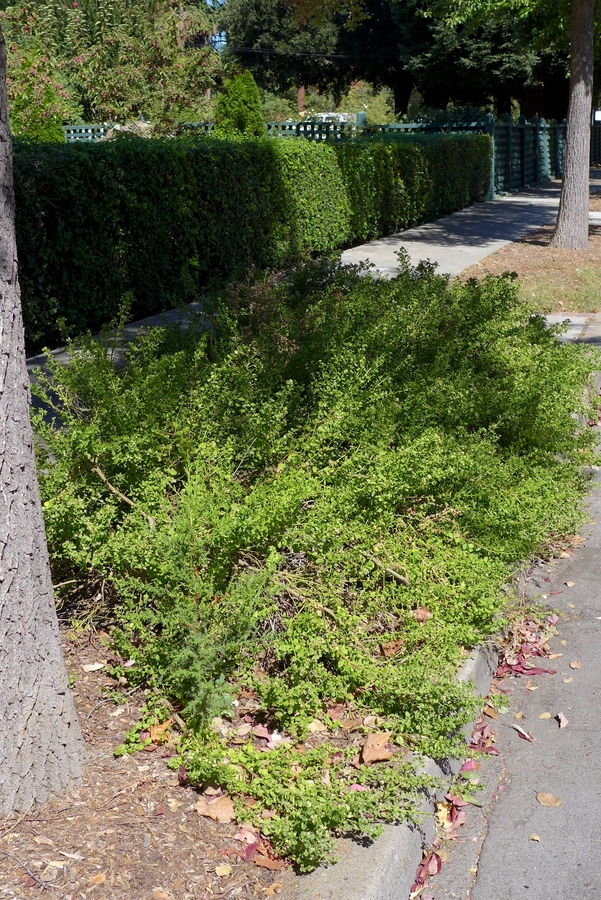
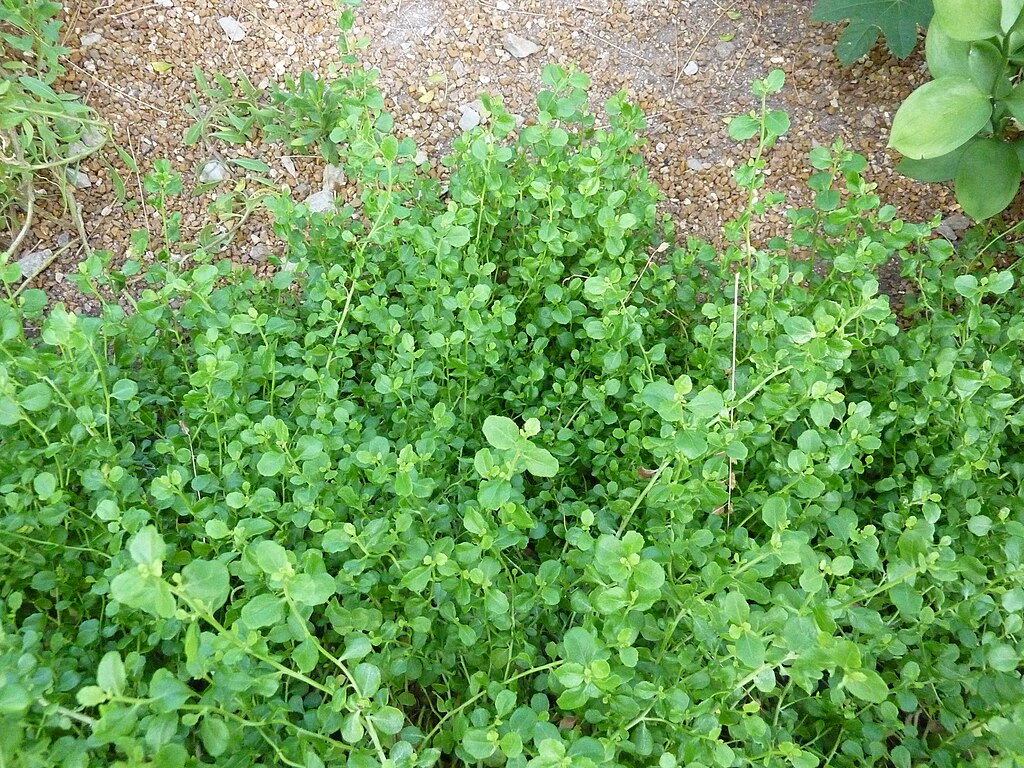
groundcovers Phyla nodiflora Common Lippia
Photo by Jean Pawek

Phyla nodiflora ‘Common Lippia’

2-4 in tall
A fast-spreading, tough groundcover with tiny scalloped leaves and small purple-white flowers. Ideal for lawn replacement and parkways, it handles some foot traffic and thrives with low water.

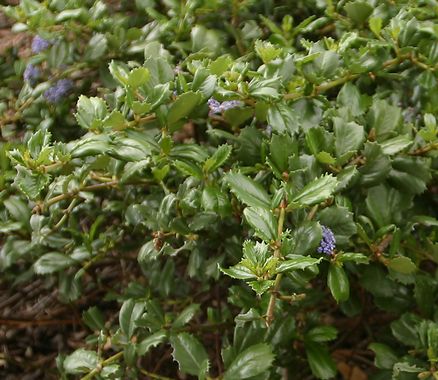
groundcovers Ceanothus gloriosus - Point Reyes
photo by Steve Matson

Ceanothus gloriosus – Point Reyes

1 ft tall – 3-4 in wide
A soft, silver-leaved groundcover that produces cheerful yellow daisies from spring through summer. It thrives in full sun, needs little water, and attracts native bees and butterflies. Great for dry slopes and rocky areas.

Ceanothus gloriosus ‘Anchor Bay’

1-3 ft tall – 5 ft wide
A dense, evergreen spreader with dark green leaves and clusters of violet-blue spring flowers. Excellent for slopes and habitat gardens, it thrives in dry soil and coastal or inland sun.

groundcovers Ceanothus uva-ursi ‘Woods Compact’
photo by Jean Pawek

Ceanothus uva-ursi ‘Woods Compact’

6-12 in high 1-3 ft wide
A neat, evergreen groundcover with glossy leaves and vibrant blue flowers in spring. Ideal for small spaces, edges, and pollinator-friendly gardens with low water needs.

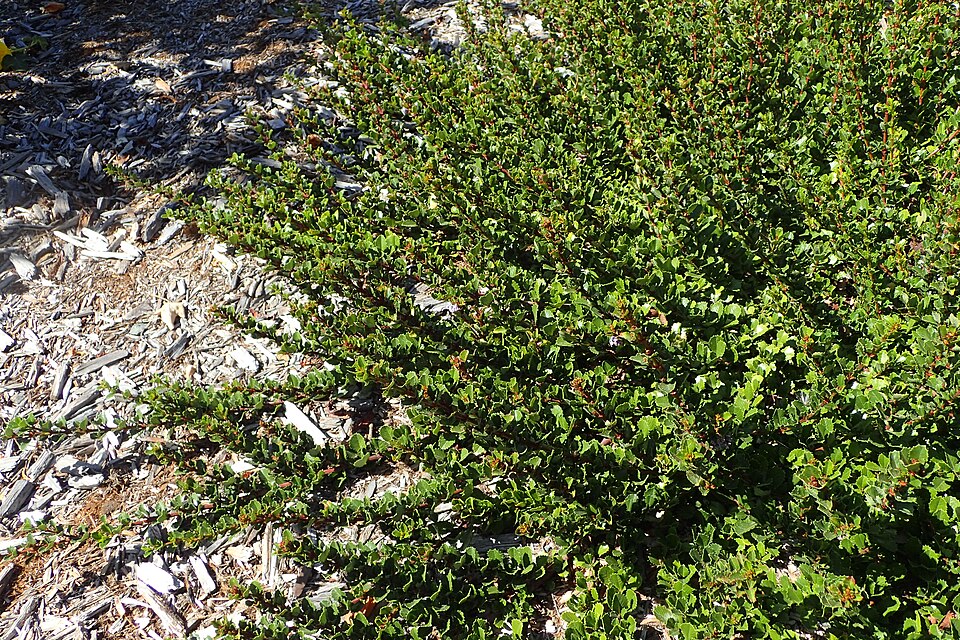
groundcovers Arctostaphylos uva-ursi
photo by Irina Hynes

Arctostaphylos uva-ursi – Bearberry (Kinnikinnick)

6 to 12 inches
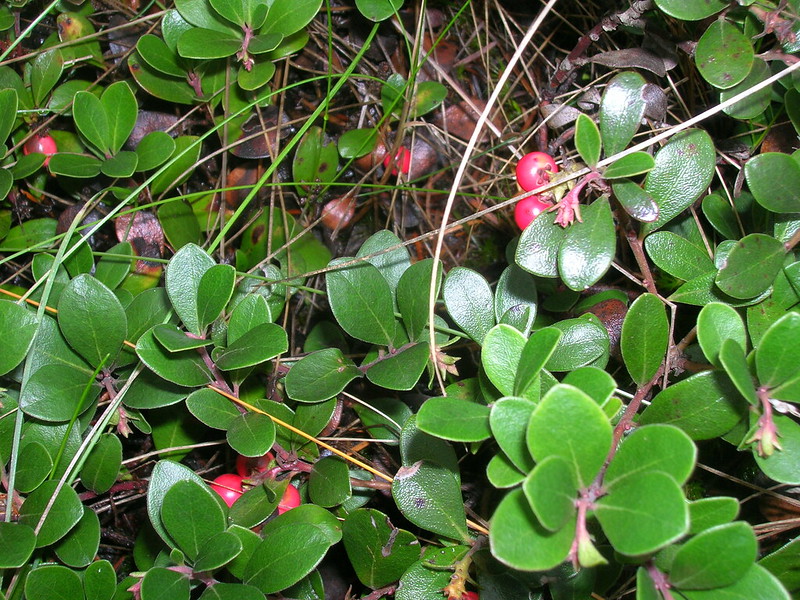
A trailing evergreen manzanita with red stems, glossy leaves, and delicate pink flowers followed by red berries. Great under oaks or in dry shade, it supports birds and pollinators.

groundcovers beach strawberry
photo by Gerald and Buff Corsi © California Academy of Sciences

Fragaria chiloensis – Beach Strawberry

8-12 inches
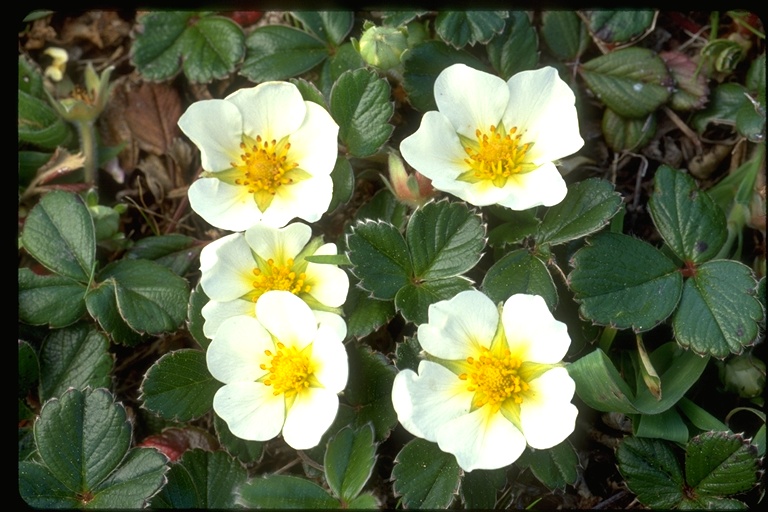
A lush, spreading groundcover with dark green leaves, white flowers, and small edible berries. Low-water and great for coastal gardens, it’s kid-friendly and pollinator-supportive.

groundcovers creeping sage
Photo by John Doyen

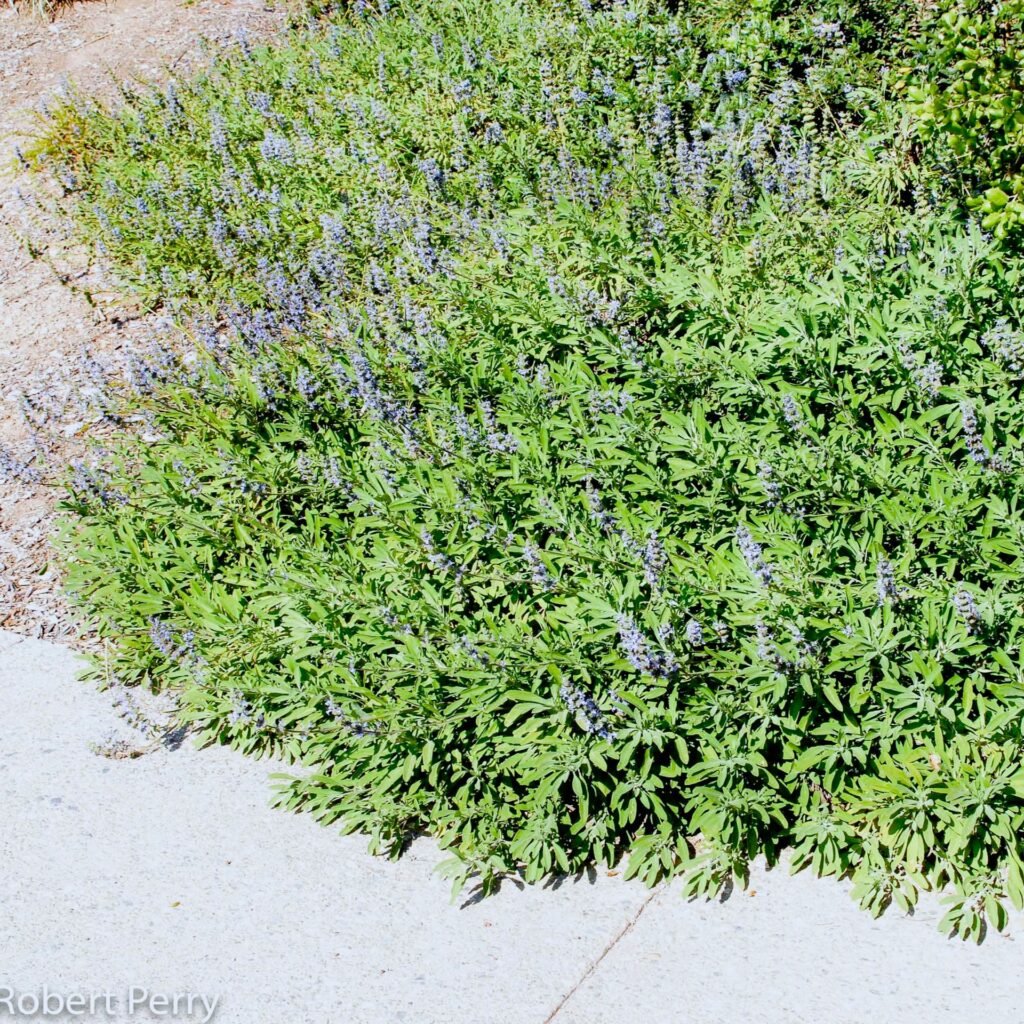
Salvia sonomensis – Creeping Sage

1 ft tall – 5 feet wide
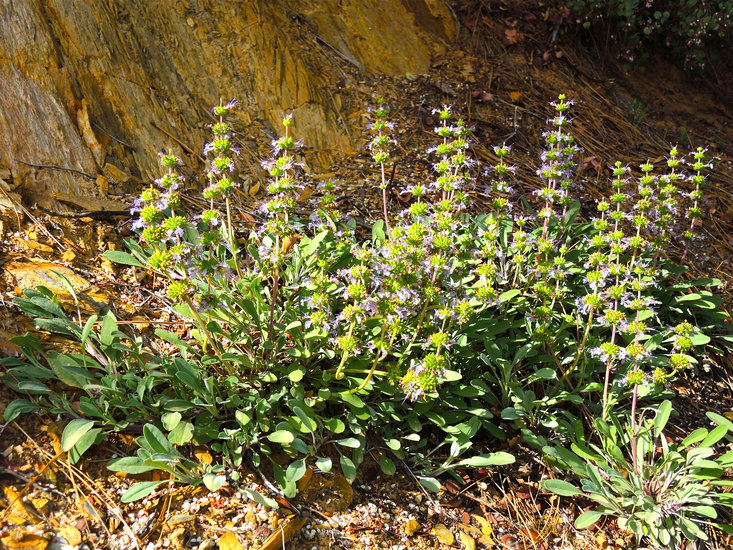
A fragrant native sage with soft gray-green foliage and lavender-blue flowers. A magnet for bees and butterflies, it’s perfect for sunny slopes and low-water landscapes.

groundcovers carex pansa grass
photo by pete veilleux

Carex pansa – Dune Sedge

8-16 inches tall
A soft, grass-like groundcover that works as a native lawn alternative. It’s low-maintenance, handles light foot traffic, and grows well in sun or part shade with little water.

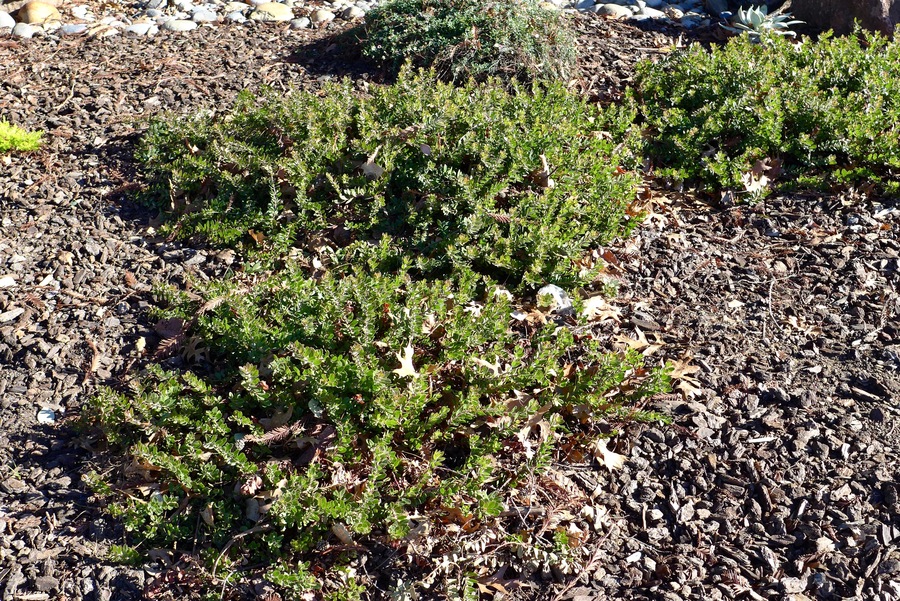
groundcover coyote bush twin peaks
photo by Jean Pawek

Baccharis pilularis ‘Twin Peaks’Coyote Bush

8-16 inches tall
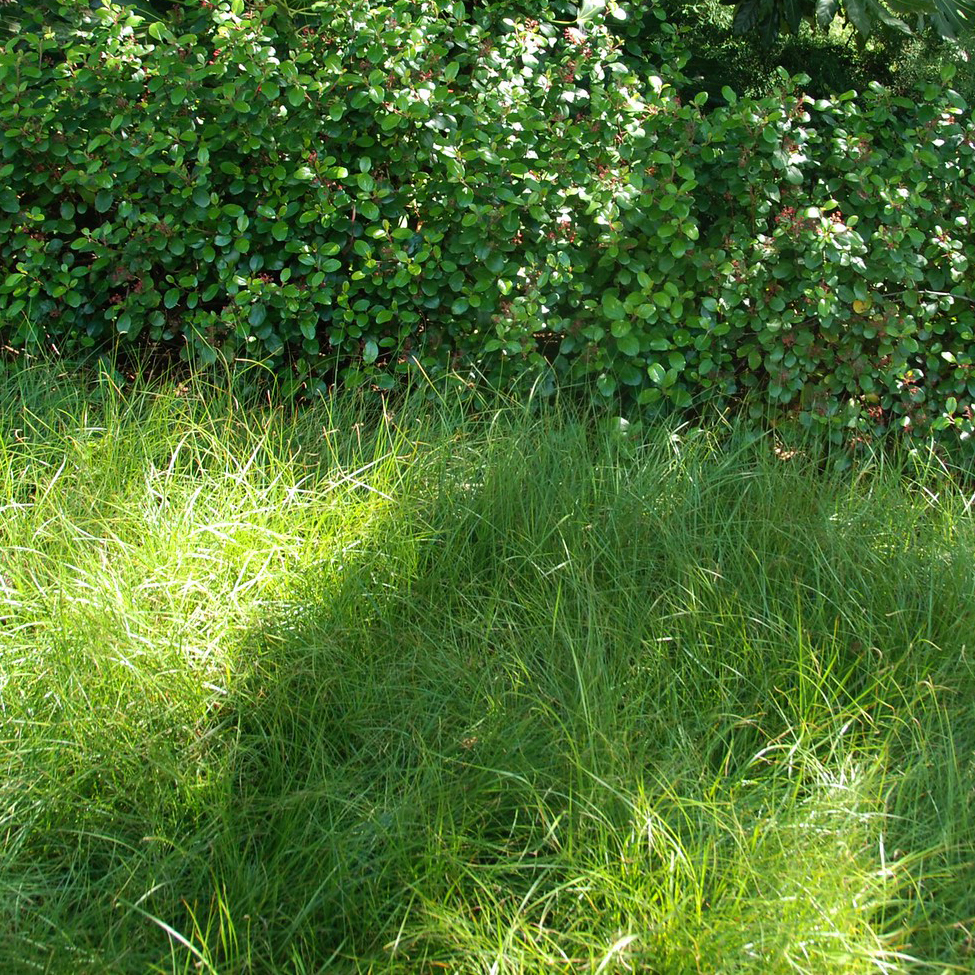
One of the most widely used groundcover forms of Coyote Bush. It forms a dense, tidy mat of evergreen foliage, tolerates pruning, and is great for erosion control on slopes. Very low water once established and excellent habitat for birds and pollinators.

Baccharis pilularis ‘Pigeon Point’ – Dwarf Coyote Bush

1-2 ft tall, 6-8 feet wide
Similar to ‘Twin Peaks’ but typically a bit lower and tighter. Also used widely for groundcover applications, especially along freeways and in restoration projects. Dense growth helps suppress weeds and resist deer.

We invite you to visit our nursery and explore these beautiful California native groundcovers in person. Whether you’re looking to fill a hillside, replace a thirsty lawn, or create habitat for pollinators, we’re here to help you choose the right plants for your space.

Our inventory changes with the seasons, so each visit offers something new. Stop by, take a stroll through the plants, and get inspired to grow something that’s both beautiful and beneficial.

Posted on

Why Monarch Butterflies Need Our Help in Ventura County

aventura native plants

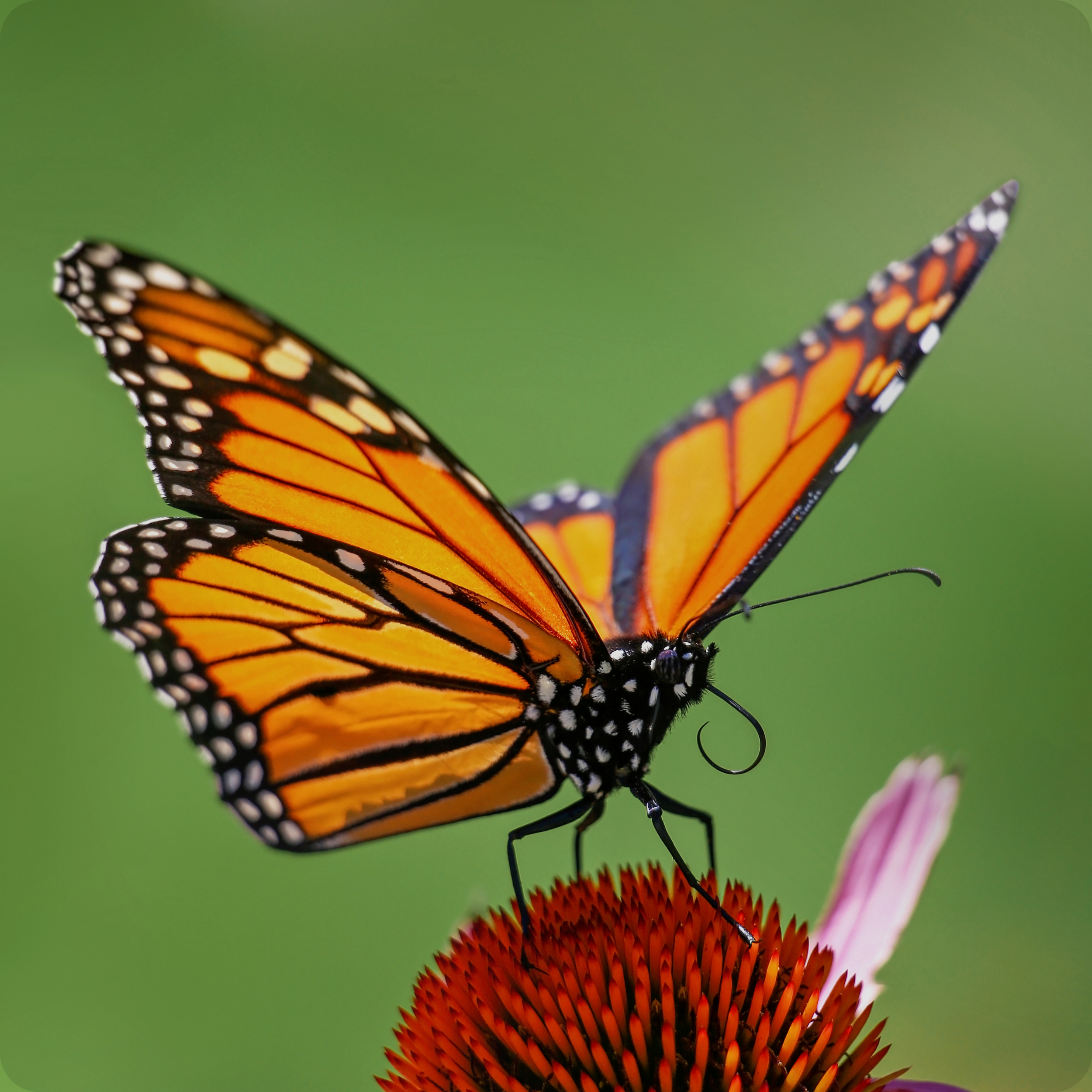
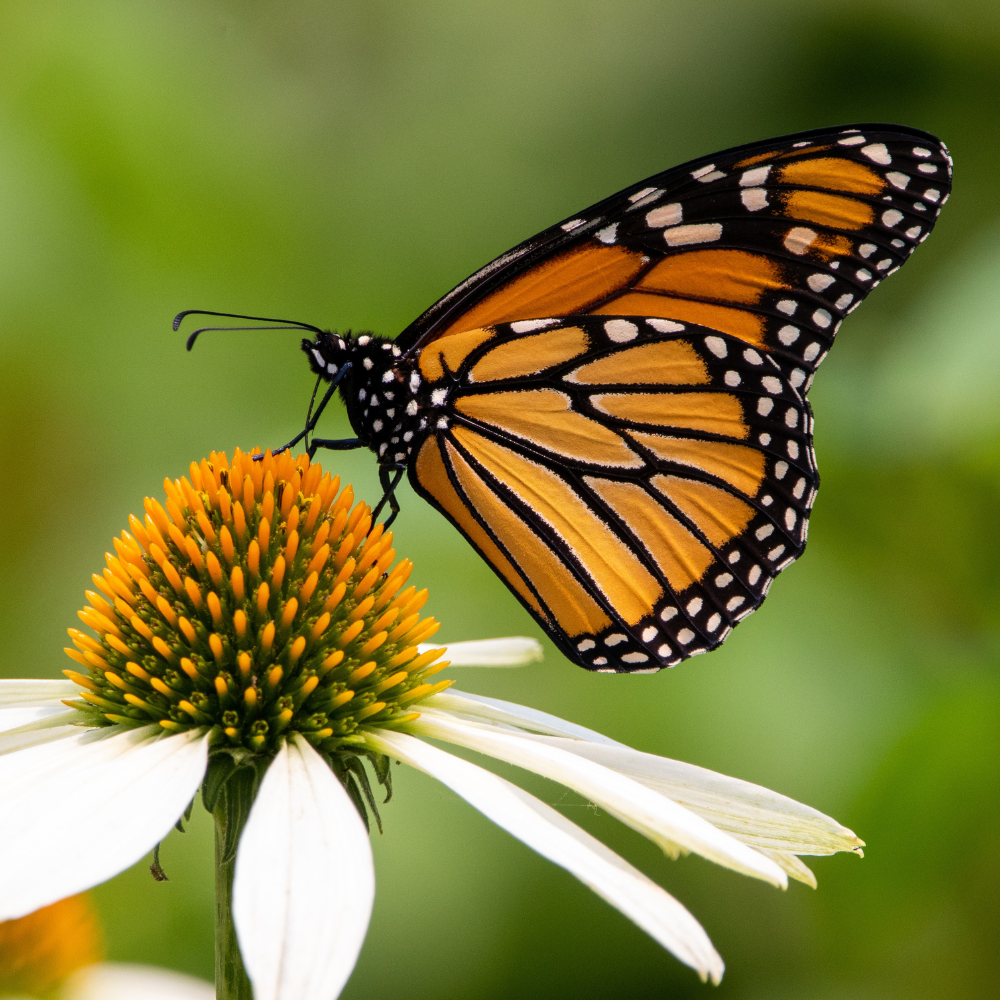
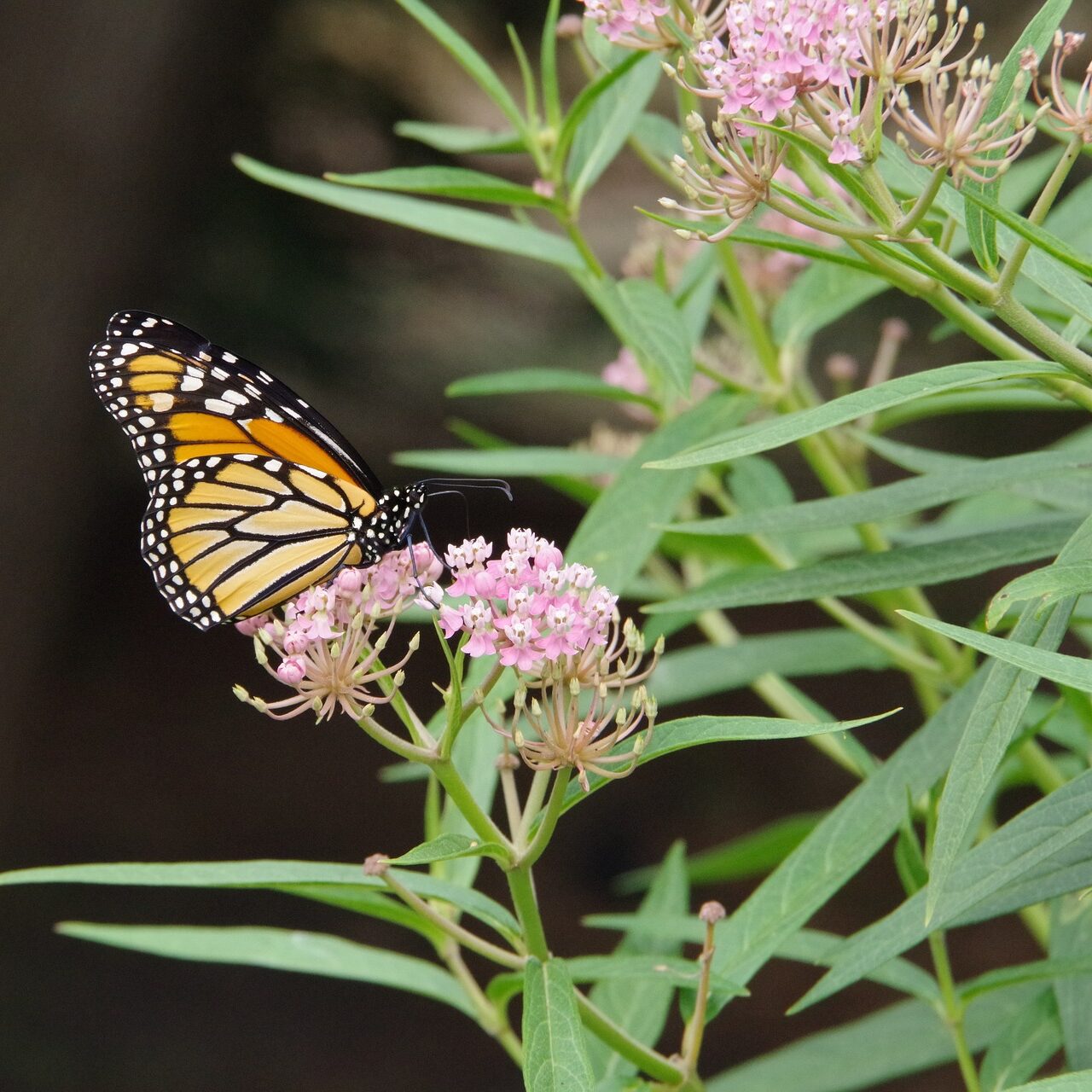
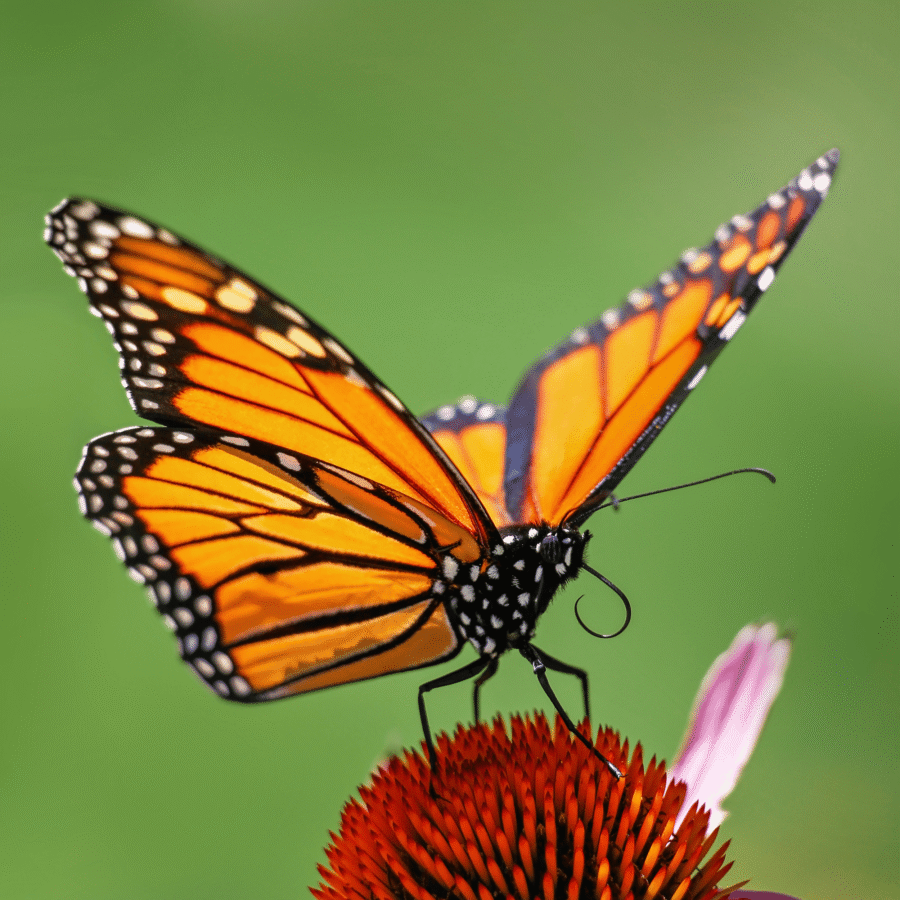
Monarch butterflies (Danaus plexippus) are one of North America’s most recognizable pollinators. They depend on native milkweed to raise their young and nectar-rich flowers for food. Over the past several decades, habitat loss, pesticides, and climate change have caused their numbers to decline. However, while some years bring encouraging population increases, western monarchs still need our help.

monarch echinacea

Monarchs in Ventura County

Several factors have reduced monarch populations:

Ventura County provides valuable habitat for western monarchs. They migrate through our area, breed here, and sometimes spend the winter along the coast. However, development and the loss of native plants have reduced the habitat they need. By planting native species, local gardeners can help rebuild these important spaces. Unfortunately, development and the loss of native plants have reduced the habitat they need.

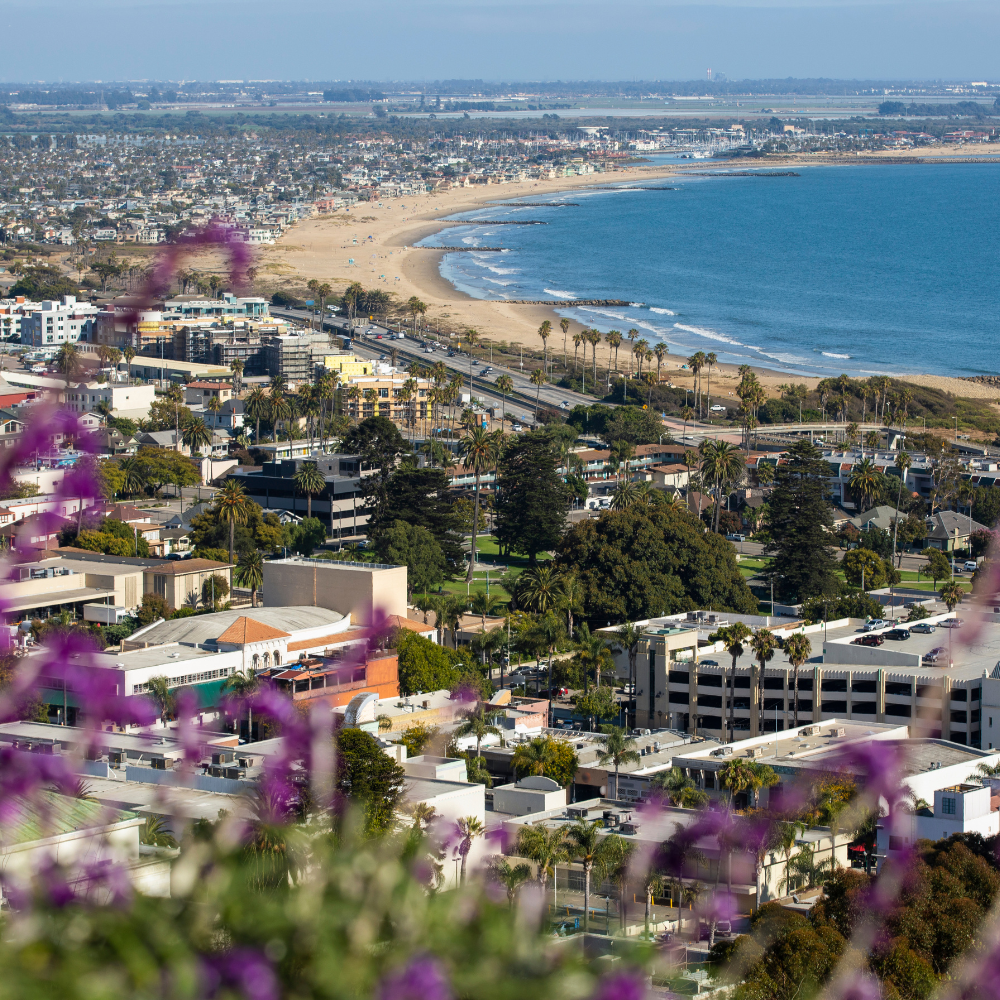
ventura county

Migrating Monarchs vs. Ventura County Monarchs

Most western monarchs migrate between California’s coast and inland breeding areas each year. In Ventura County, our mild climate allows some monarchs to stay and breed much of the year instead of making the full migration.

Whether they migrate or remain local, monarchs need native milkweed, nectar plants, and pesticide-free gardens to thrive.

habitat loss

Why Monarchs Are Declining

Several factors have reduced monarch populations:

  • Habitat loss from development
  • Loss of native milkweed
  • Fewer nectar plants
  • Pesticide use
  • Climate change and drought

These challenges make it harder for monarchs to complete their life cycle and migration.

milkweed

Plant Native Milkweed

Monarch caterpillars can only eat milkweed. Without it, they cannot survive.

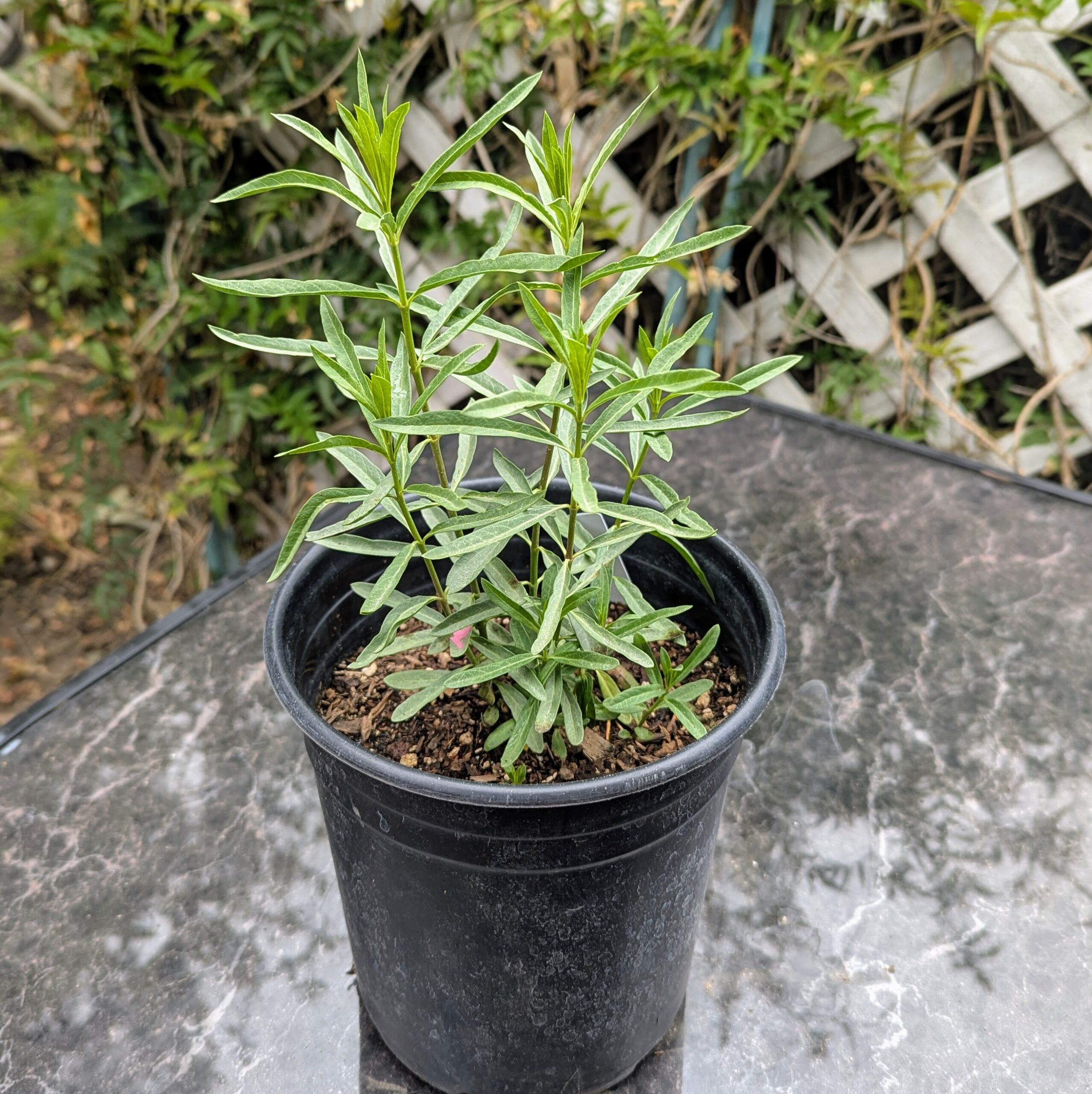
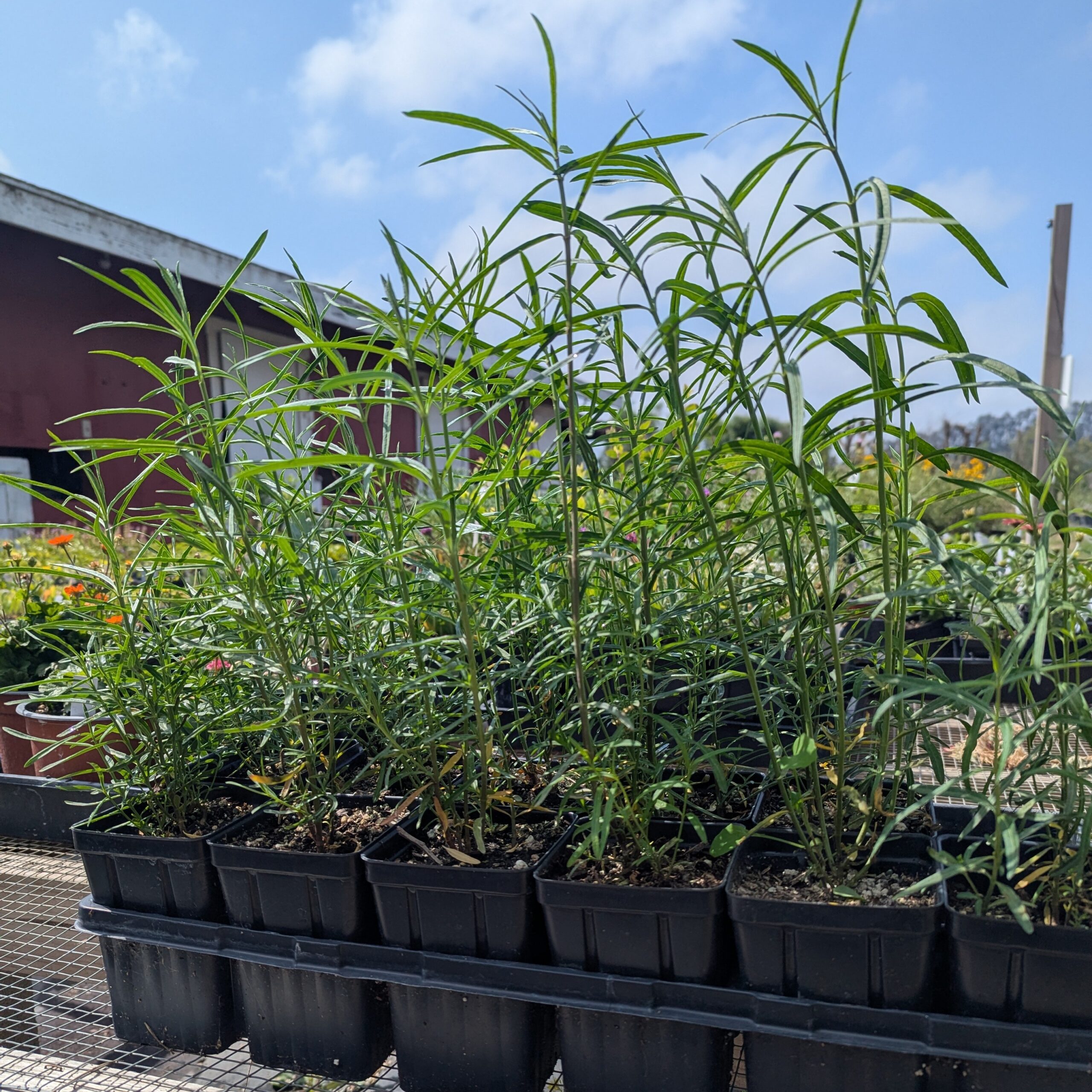
In Ventura County, native species such as Narrowleaf Milkweed (Asclepias fascicularis) and Showy Milkweed (Asclepias speciosa) provide the best habitat for breeding monarchs.

Where Can I Buy Milkweed in Ventura County, California?

1 gallon milkweed

1 gallon milkweed

available now in our nursery

Pick up only. Our one gallon is lush and has multiple stems.

asclepias fascicularis

Milkweed – 4×5 inch containers

Available now in our nursery

Great deal when you have time for the milkweed to settle in the right way.

at risk monarchs
Echinacea/Coneflower

Grow Nectar Plants

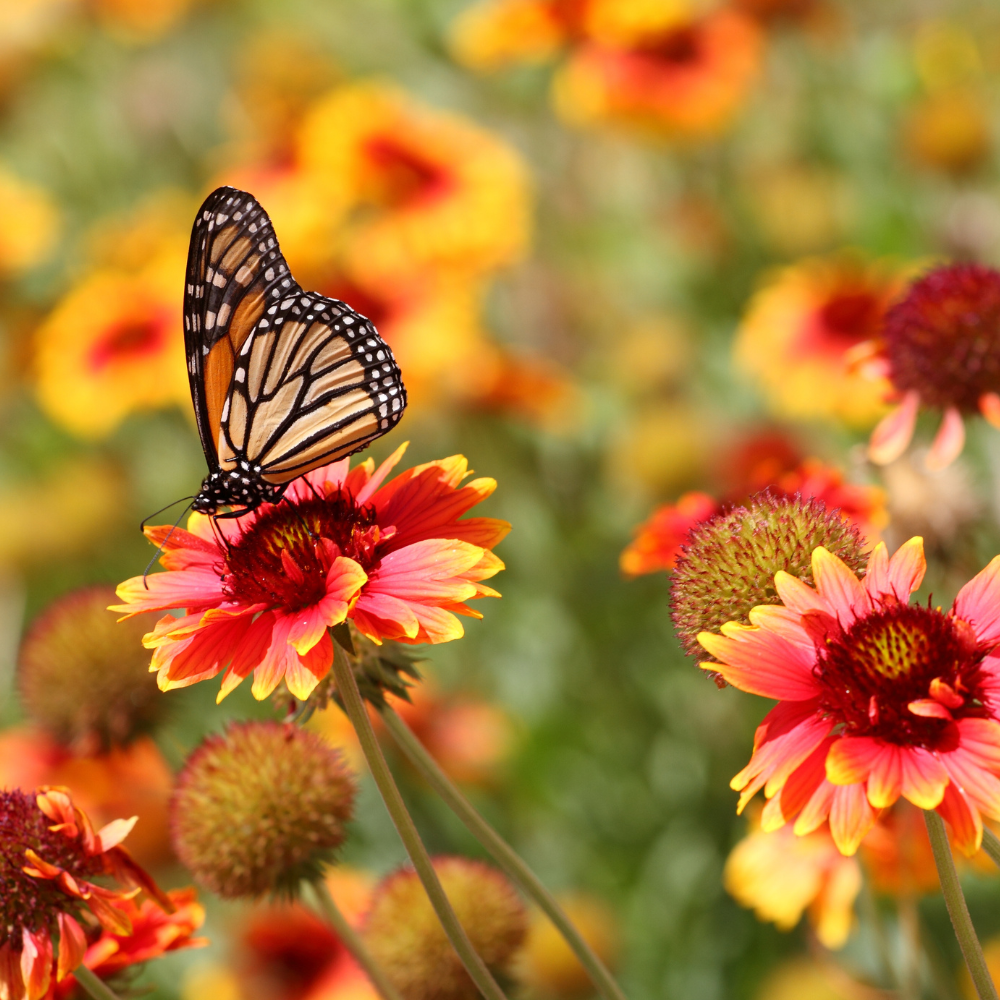
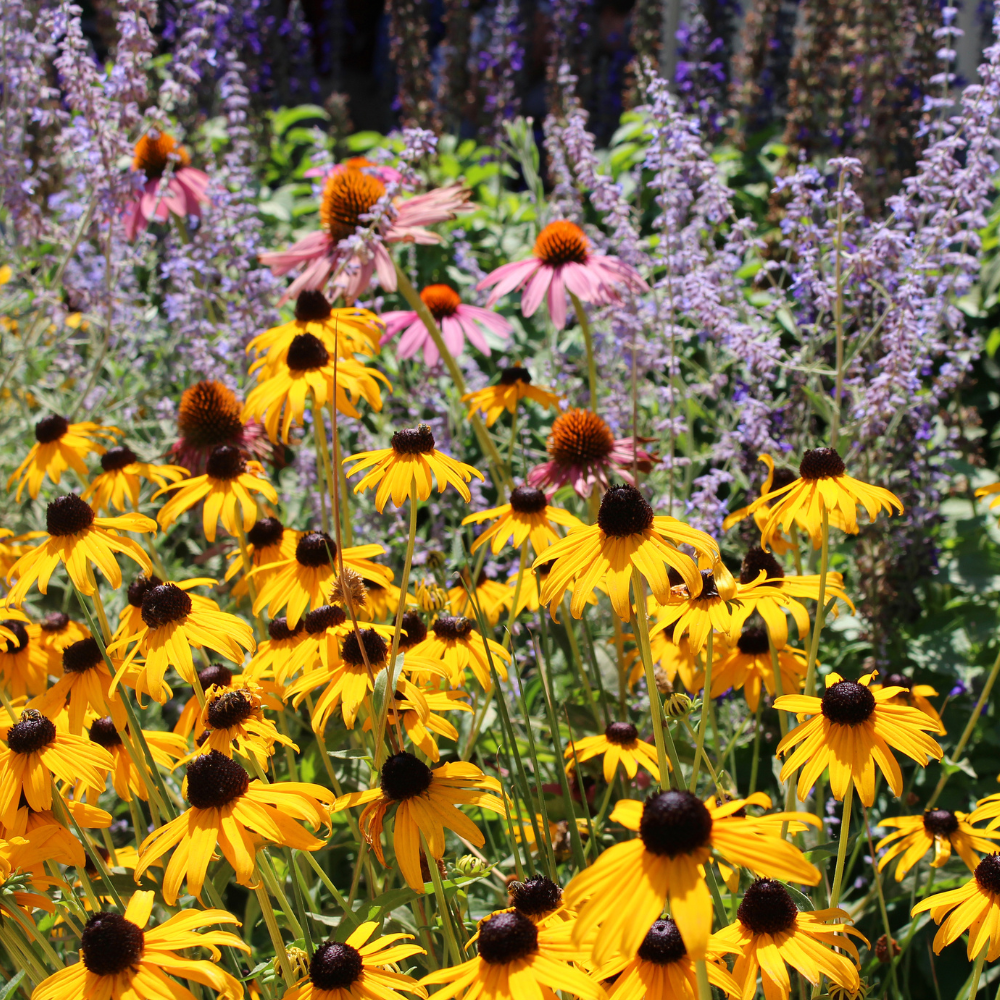
Adult monarchs need nectar throughout the growing season. Plant a variety of California native flowers to provide a steady food source.

  • California Buckwheat
  • California Fuchsia
  • Cleveland Sage
  • Black Sage
  • Coyote Mint
  • California Goldenrod
  • California Aster

These plants also support bees, hummingbirds, and other beneficial pollinators.

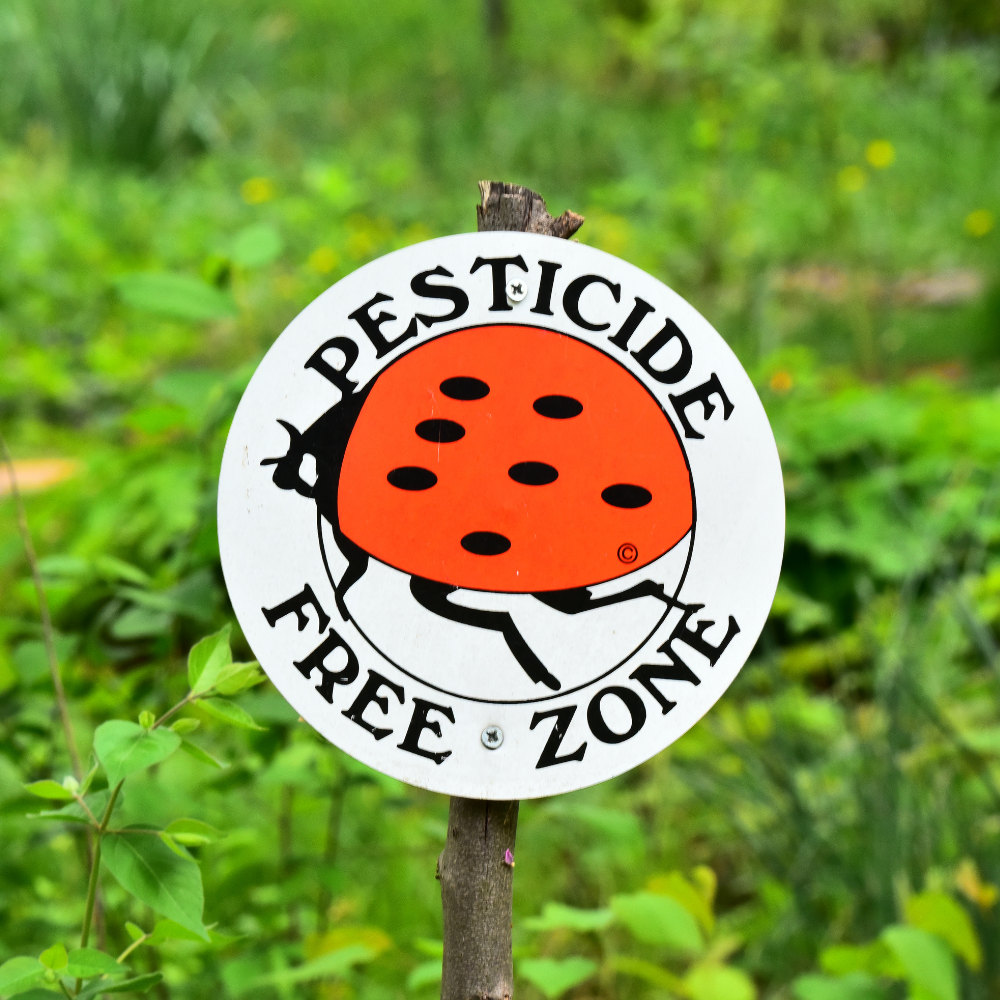
pesticide free

Skip the Pesticides

Many pesticides harm butterflies and other beneficial insects. Instead, encourage natural predators and build a healthy, balanced garden with diverse native plants.

wildlife

Create Wildlife Habitat

Leave a few natural areas in your garden. Leaf litter, seed heads, and dense plants provide shelter for butterflies and many other beneficial insects.

garden

Every Garden Helps

You do not need a large yard to make a difference. A few native milkweeds and nectar plants can provide food and shelter for monarchs.

Even so, you do not need a large yard to make a difference. A few native milkweeds and nectar plants can provide food and shelter for monarchs.