Posted on

Where Can I Buy Native Milkweed in Ventura County?

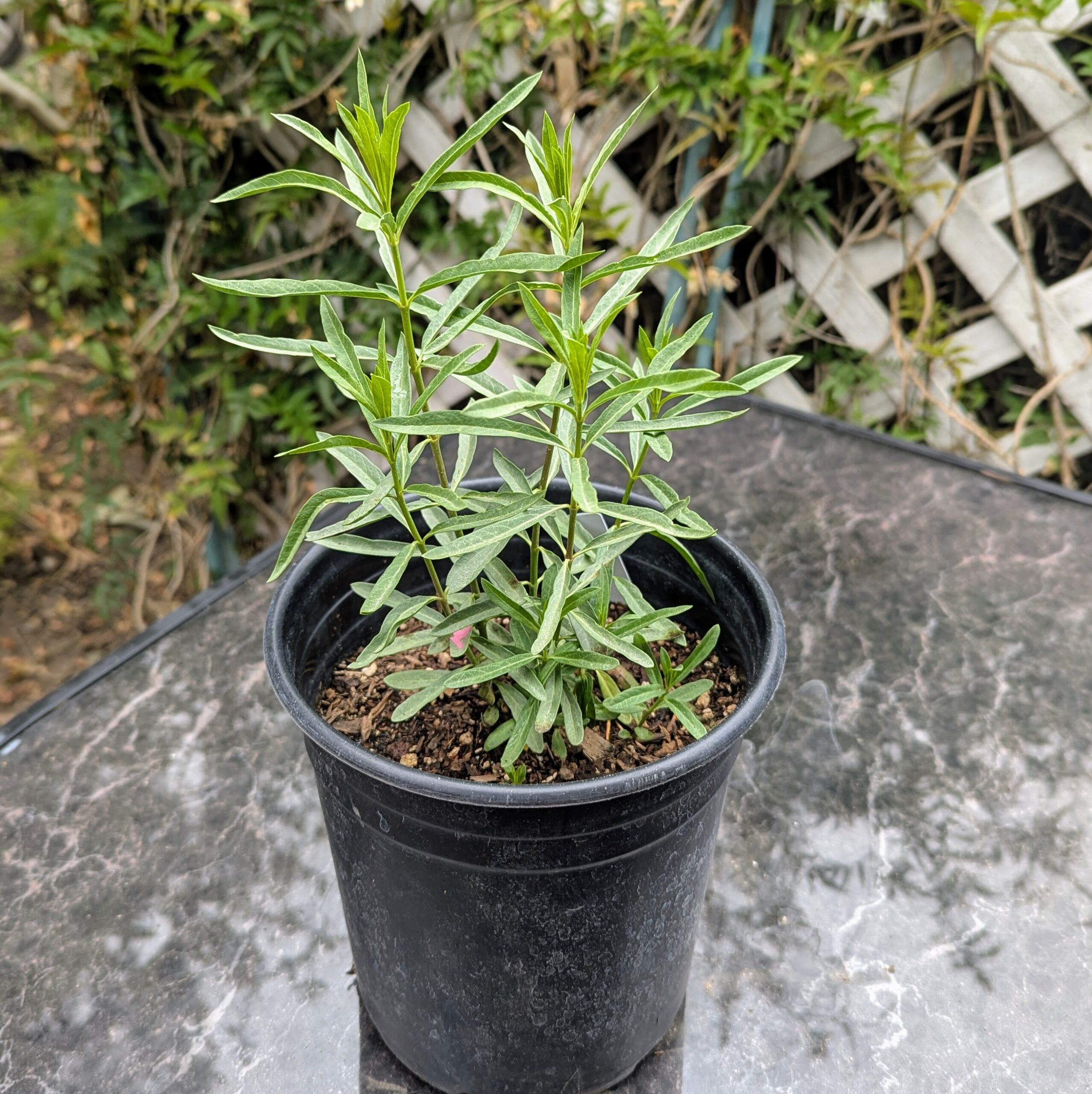
asclepias fascicularis

Monarch butterflies are in decline, but you can help! Native milkweed is the only food source for monarch caterpillars, making it crucial for their survival. By planting native milkweed in your garden, you’re directly supporting these iconic pollinators. This blog post will guide you on the importance of native milkweed, how to care for it, and how to create a monarch-friendly garden.
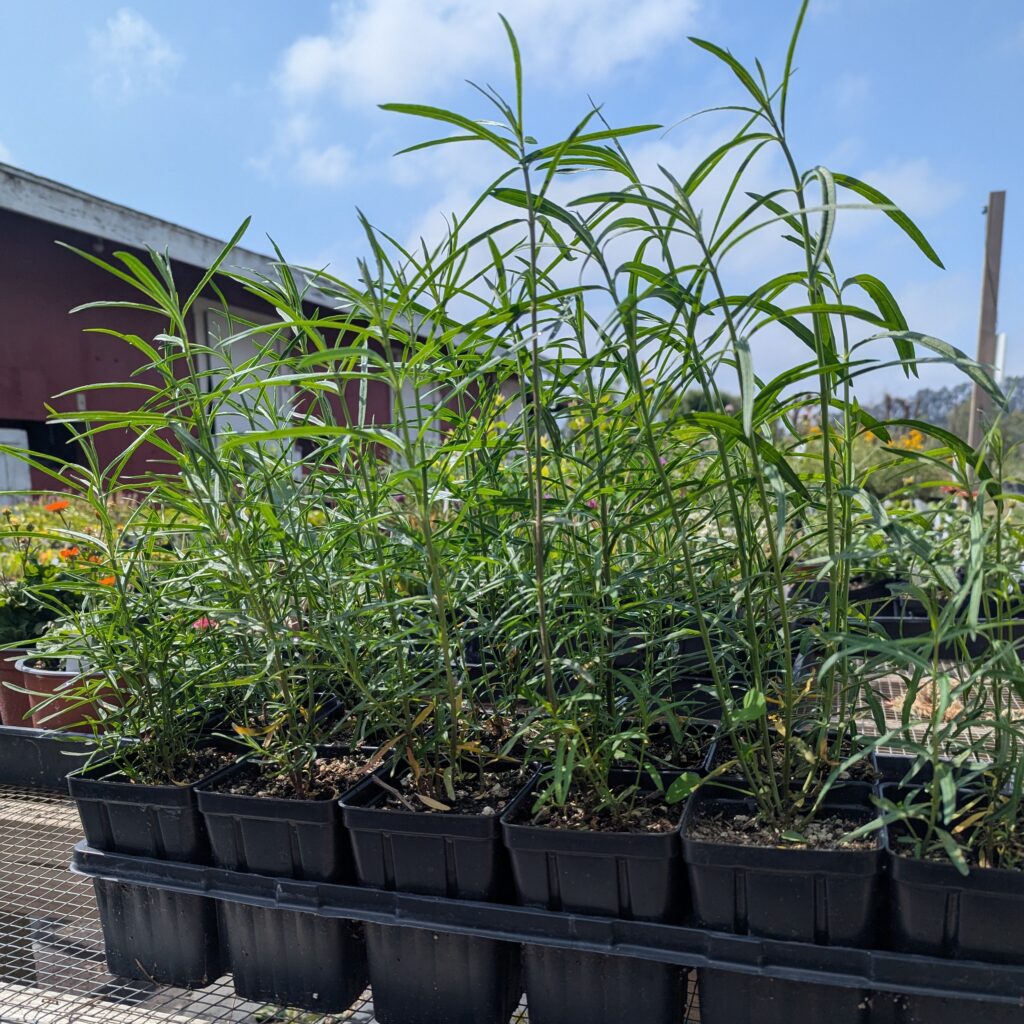
asclepias fascicularis

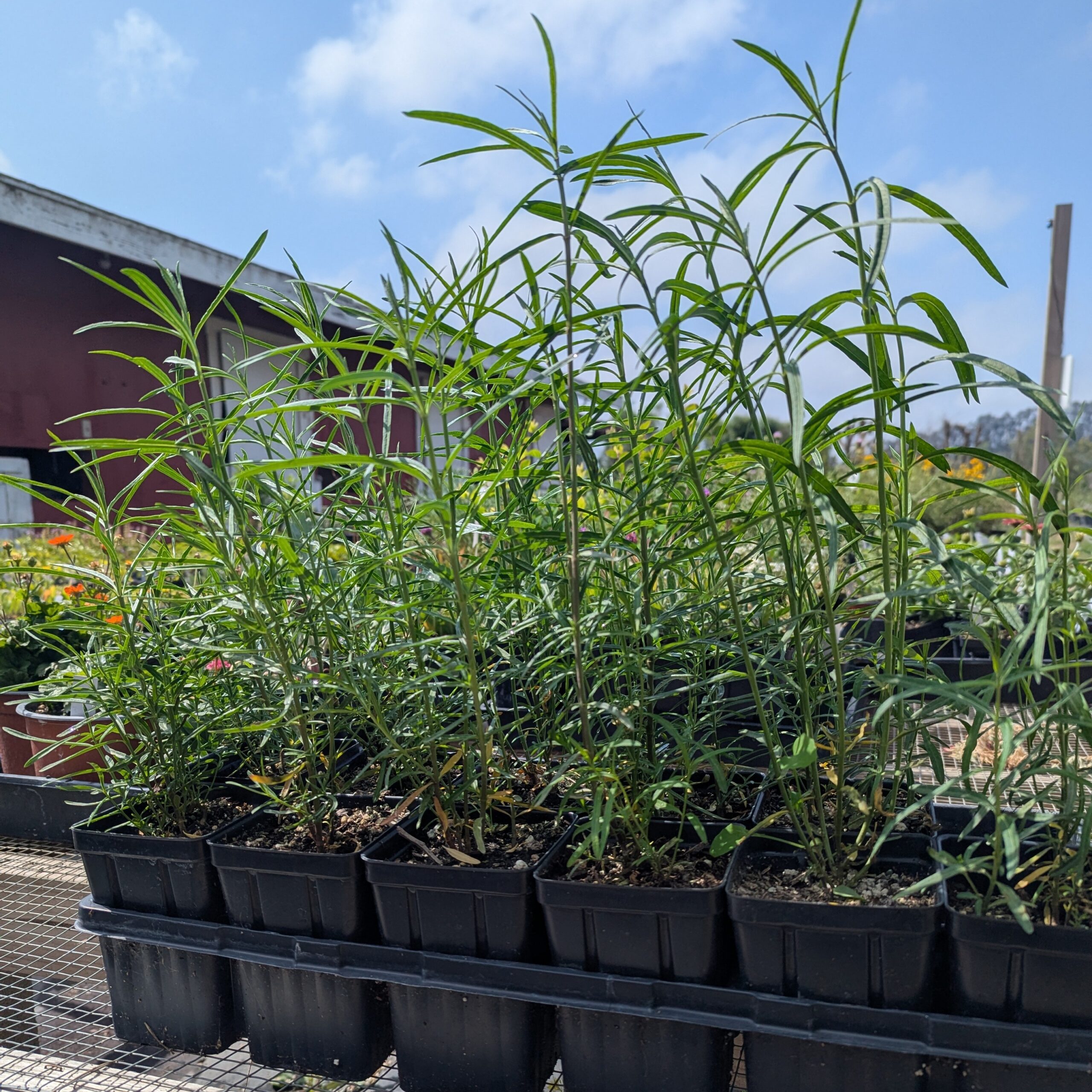
4-inch tall multi-stem containers shipped right to your door.

Add native milkweed to your cart today and create a haven for monarchs in your garden! Shop Milkweed Plants here.

1 gallon Milkweed available in the nursery only

Why Native Milkweed?

  • Essential for Monarchs: Monarch caterpillars exclusively feed on milkweed leaves.
  • Support Local Ecosystems: Native plants are adapted to your region, benefiting local pollinators and wildlife.
  • Beautiful and Diverse: Milkweed varieties offer a range of colors and textures, adding beauty to your garden.

Caring for Your Native Milkweed

  • Sunlight: Milkweed thrives in full sun (at least 6 hours of direct sunlight daily).
  • Soil: Well-drained soil is ideal. Milkweed is adaptable to various soil types.
  • Watering: Water regularly, especially during dry periods. Once established, milkweed is relatively drought-tolerant.
  • Maintenance: Cut back stems in the fall or early spring to encourage new growth. Avoid pesticides!

Creating a Monarch-Friendly Garden

  • Plant in Groups: Plant at least 2-3 milkweed plants together to provide enough food for monarch caterpillars. A larger patch of 5-10 plants is even better.
  • Choose Native Varieties: Select milkweed species native to your specific region. This ensures the best support for local monarch populations. You can find native milkweed at [your website].
  • Add Nectar Plants: Plant other native flowers that provide nectar for adult monarchs, such as asters, coneflowers, and goldenrod.
  • Avoid Pesticides: Pesticides can harm or kill monarch caterpillars and butterflies.

Ready to make a difference?

Add native milkweed to your cart today and create a haven for monarchs in your garden! Shop Milkweed Plants here.

I hope this helps! Would you like me to make any adjustments, such as including specific native milkweed varieties for Somis, California, or adding details on where to purchase companion nectar plants?
Posted on

Why Monarch Butterflies Need Our Help in Ventura County

aventura native plants

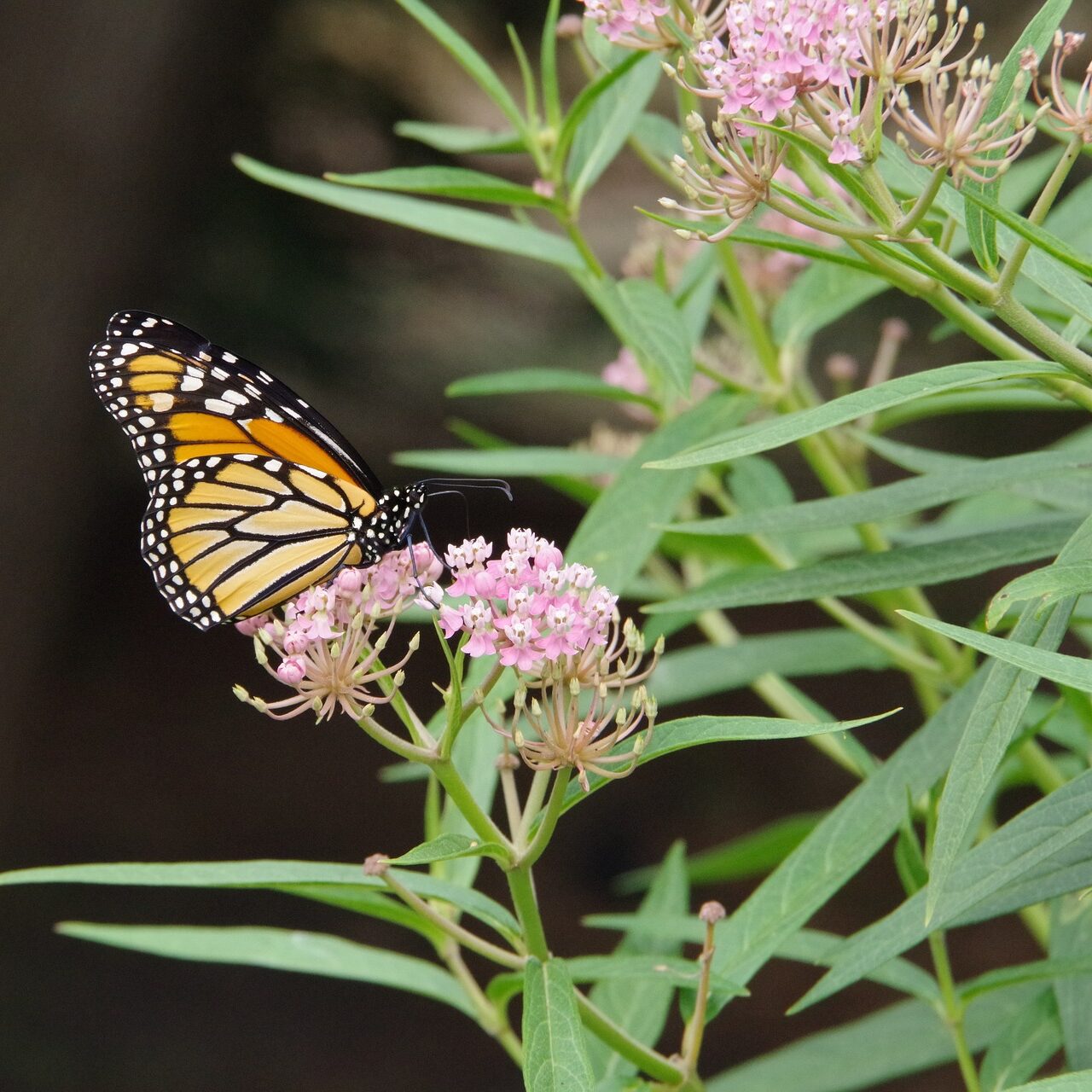
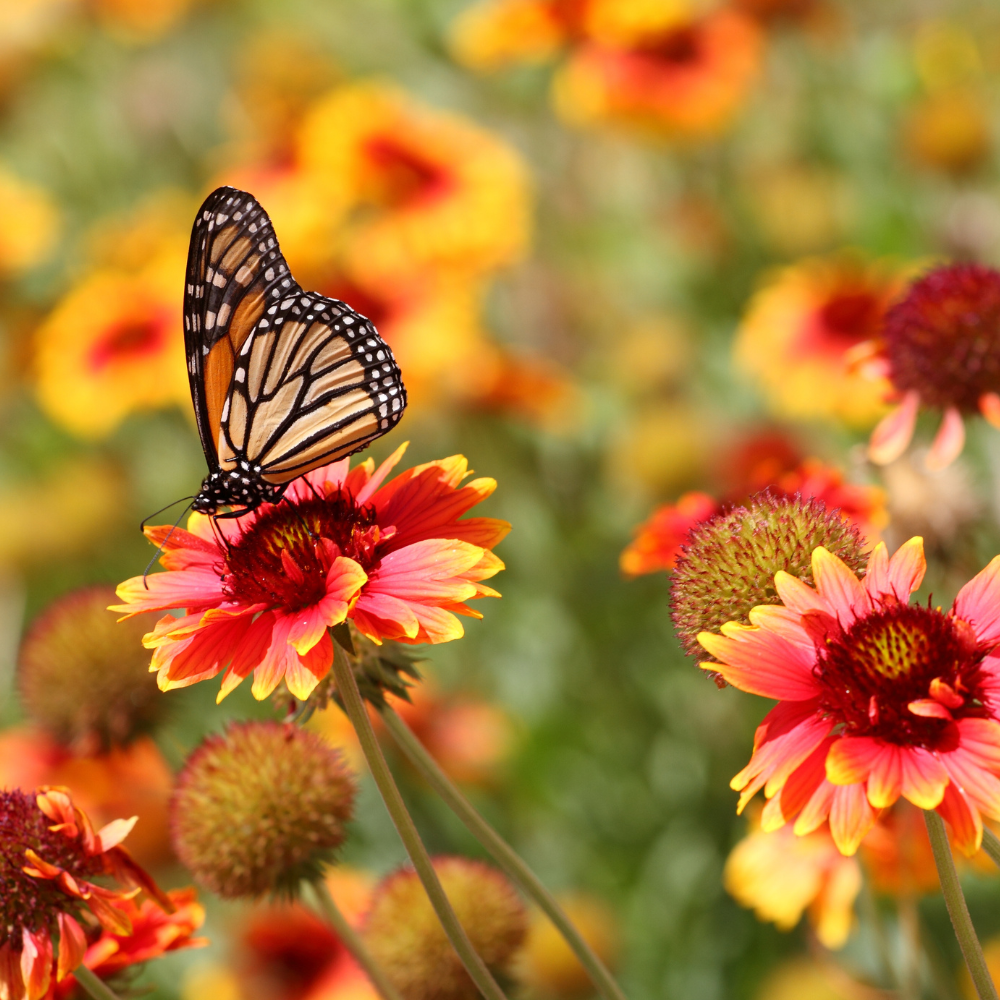
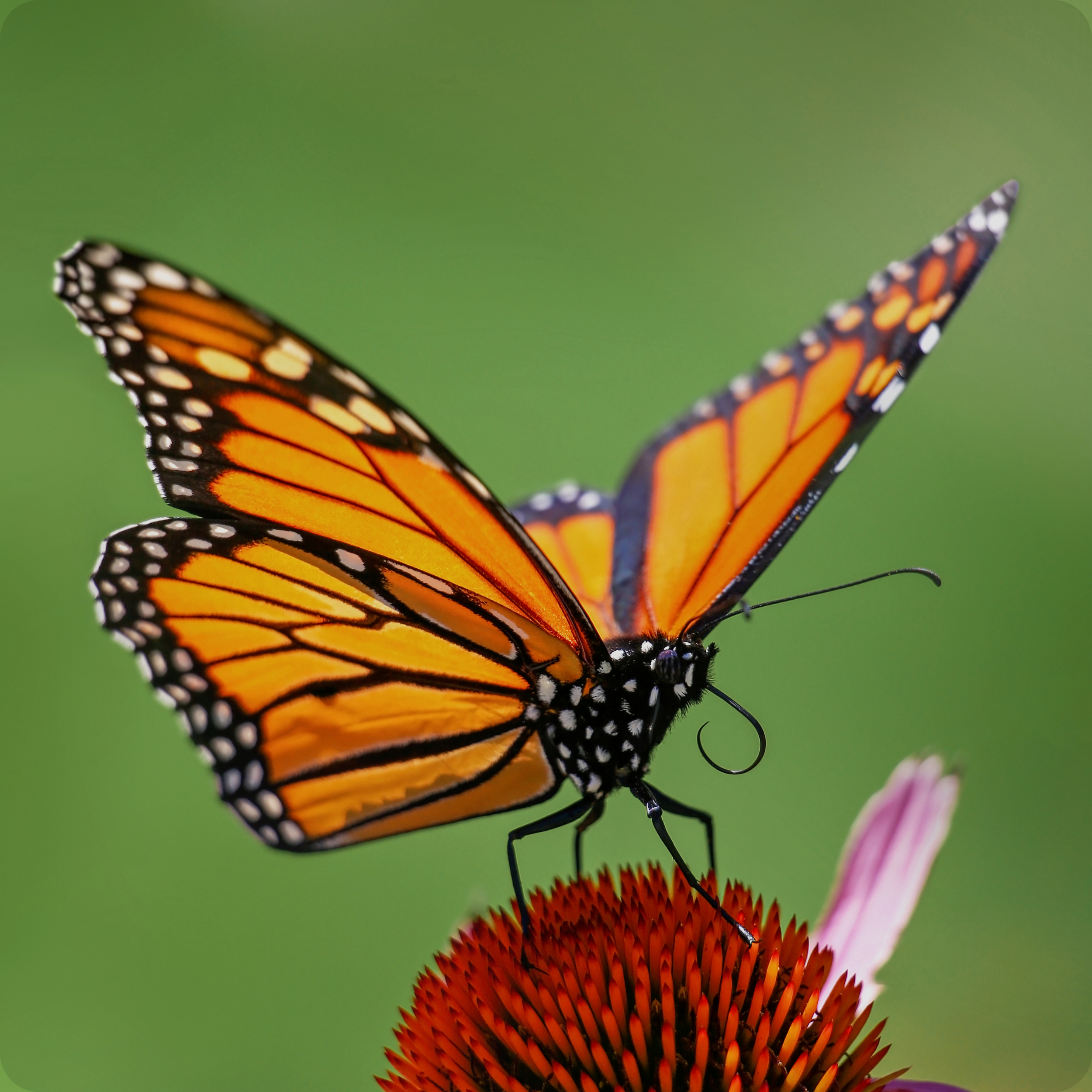
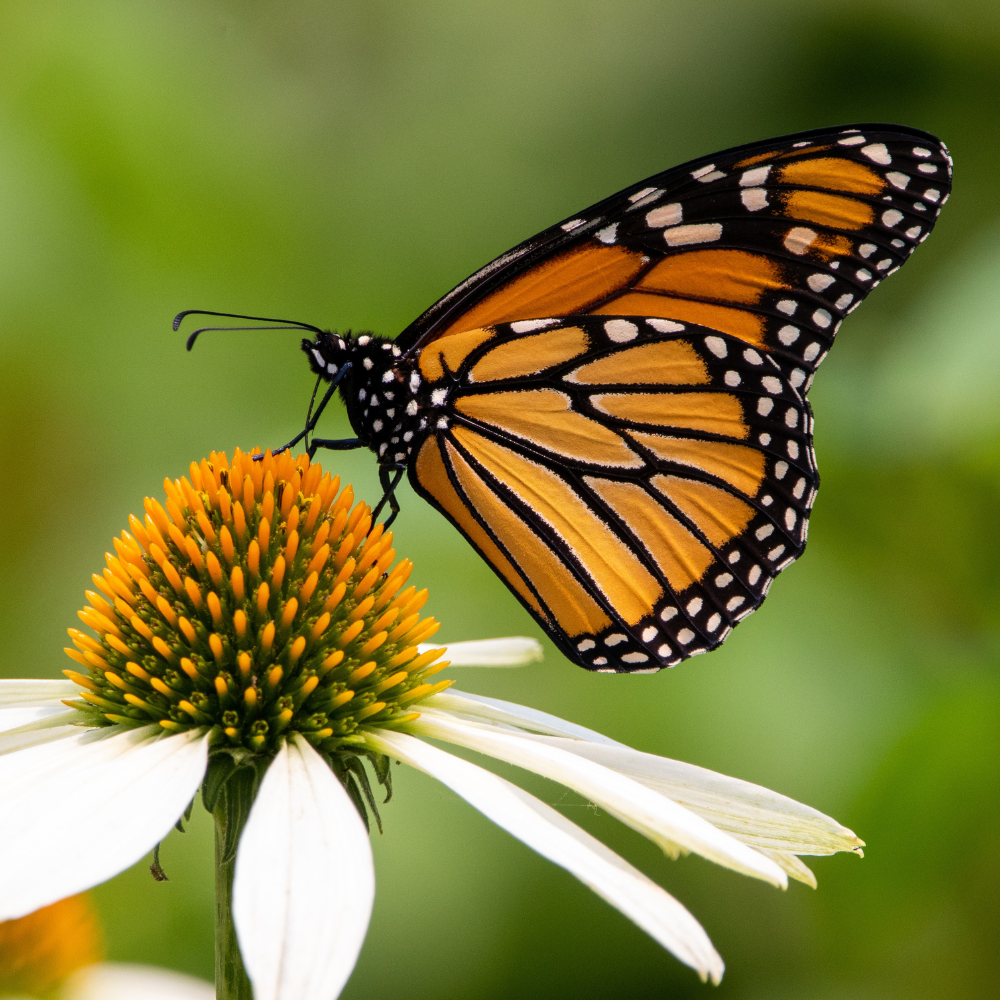
Monarch butterflies (Danaus plexippus) are one of North America’s most recognizable pollinators. They depend on native milkweed to raise their young and nectar-rich flowers for food. Over the past several decades, habitat loss, pesticides, and climate change have caused their numbers to decline. However, while some years bring encouraging population increases, western monarchs still need our help.

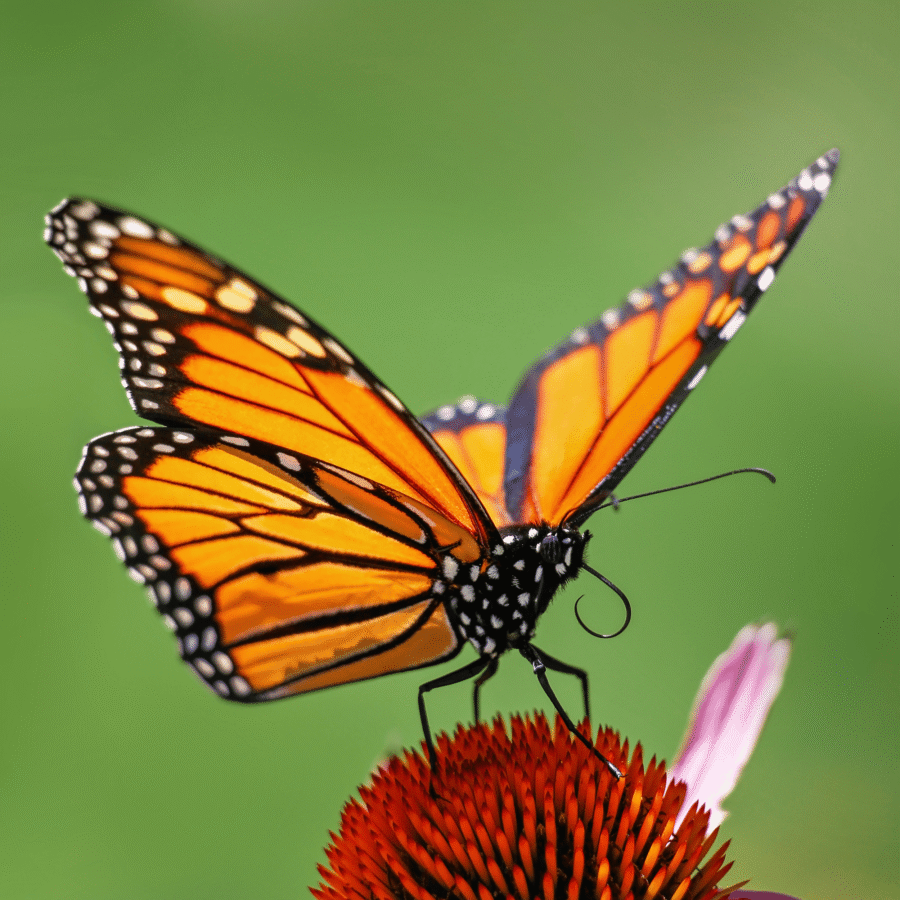
monarch echinacea

Monarchs in Ventura County

Several factors have reduced monarch populations:

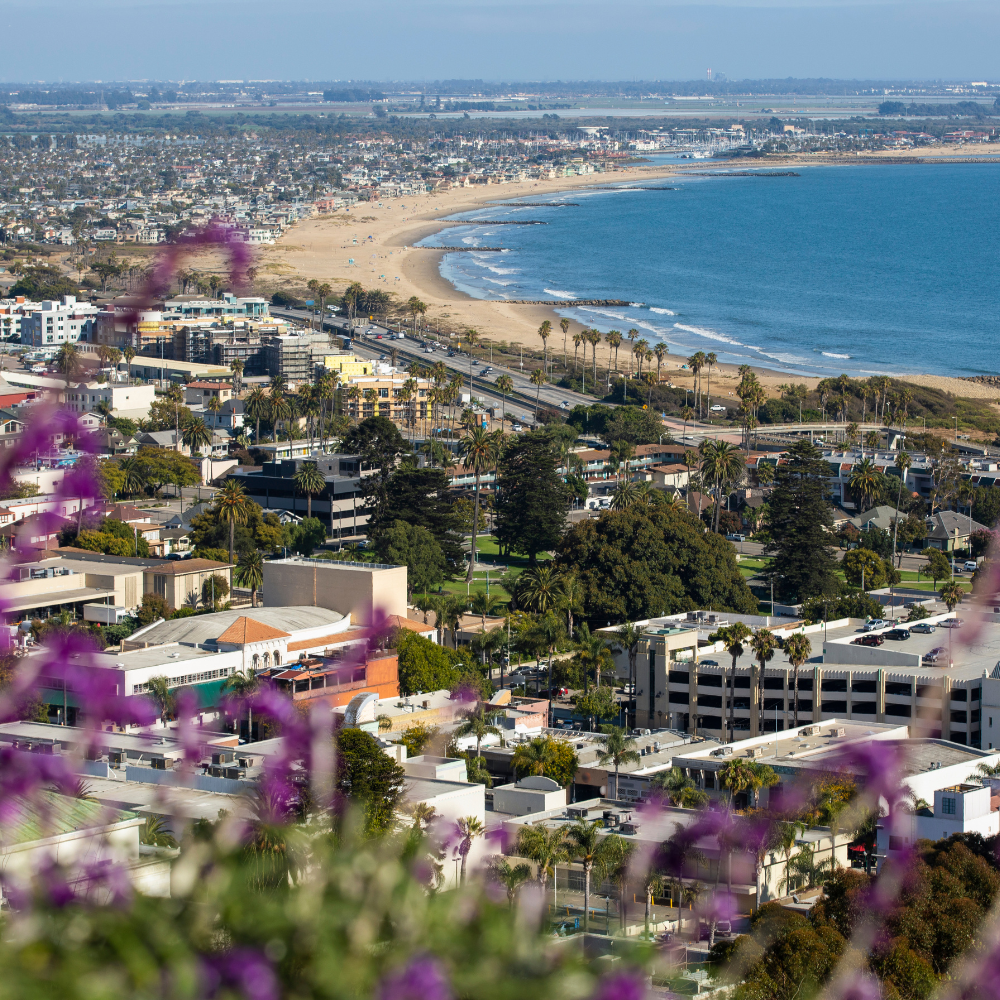
Ventura County provides valuable habitat for western monarchs. They migrate through our area, breed here, and sometimes spend the winter along the coast. However, development and the loss of native plants have reduced the habitat they need. By planting native species, local gardeners can help rebuild these important spaces. Unfortunately, development and the loss of native plants have reduced the habitat they need.

ventura county

Migrating Monarchs vs. Ventura County Monarchs

Most western monarchs migrate between California’s coast and inland breeding areas each year. In Ventura County, our mild climate allows some monarchs to stay and breed much of the year instead of making the full migration.

Whether they migrate or remain local, monarchs need native milkweed, nectar plants, and pesticide-free gardens to thrive.

habitat loss

Why Monarchs Are Declining

Several factors have reduced monarch populations:

  • Habitat loss from development
  • Loss of native milkweed
  • Fewer nectar plants
  • Pesticide use
  • Climate change and drought

These challenges make it harder for monarchs to complete their life cycle and migration.

milkweed

Plant Native Milkweed

Monarch caterpillars can only eat milkweed. Without it, they cannot survive.

In Ventura County, native species such as Narrowleaf Milkweed (Asclepias fascicularis) and Showy Milkweed (Asclepias speciosa) provide the best habitat for breeding monarchs.

Where Can I Buy Milkweed in Ventura County, California?

1 gallon milkweed

1 gallon milkweed

available now in our nursery

Pick up only. Our one gallon is lush and has multiple stems.

asclepias fascicularis

Milkweed – 4×5 inch containers

Available now in our nursery

Great deal when you have time for the milkweed to settle in the right way.

at risk monarchs
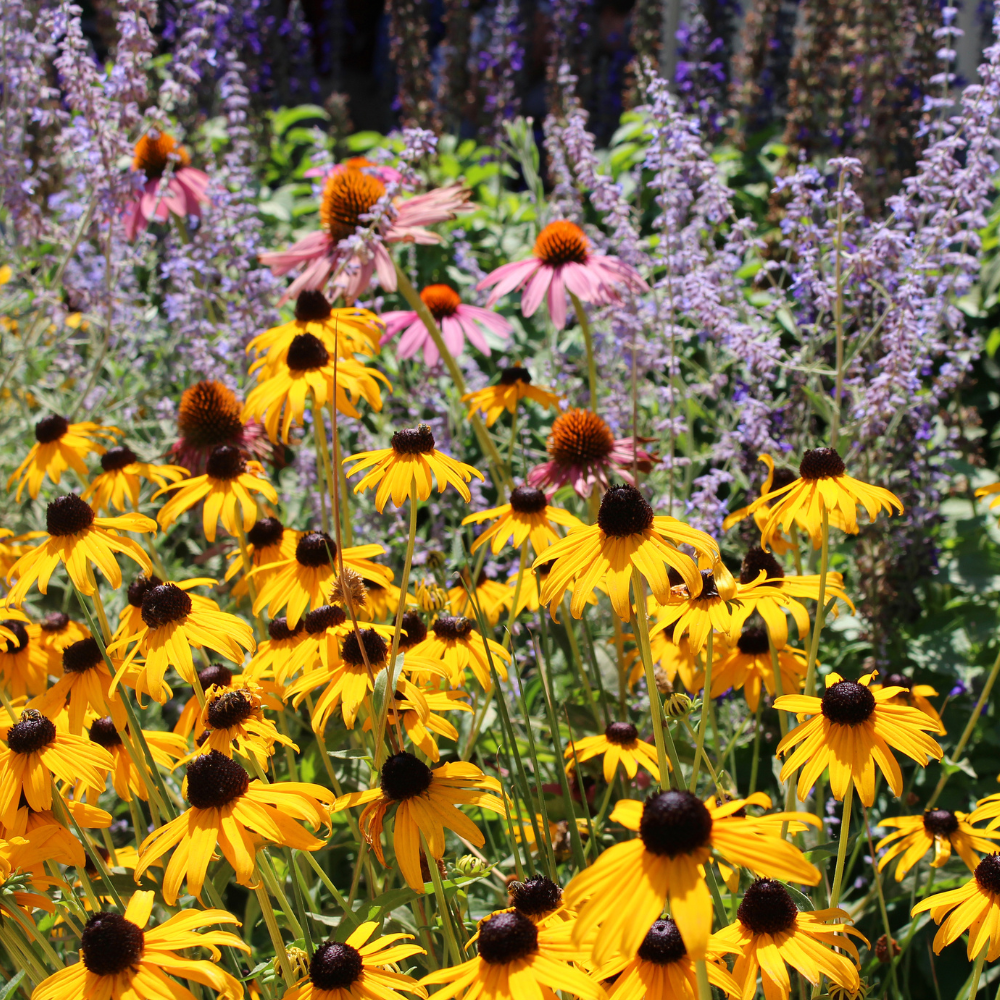
Echinacea/Coneflower

Grow Nectar Plants

Adult monarchs need nectar throughout the growing season. Plant a variety of California native flowers to provide a steady food source.

  • California Buckwheat
  • California Fuchsia
  • Cleveland Sage
  • Black Sage
  • Coyote Mint
  • California Goldenrod
  • California Aster

These plants also support bees, hummingbirds, and other beneficial pollinators.

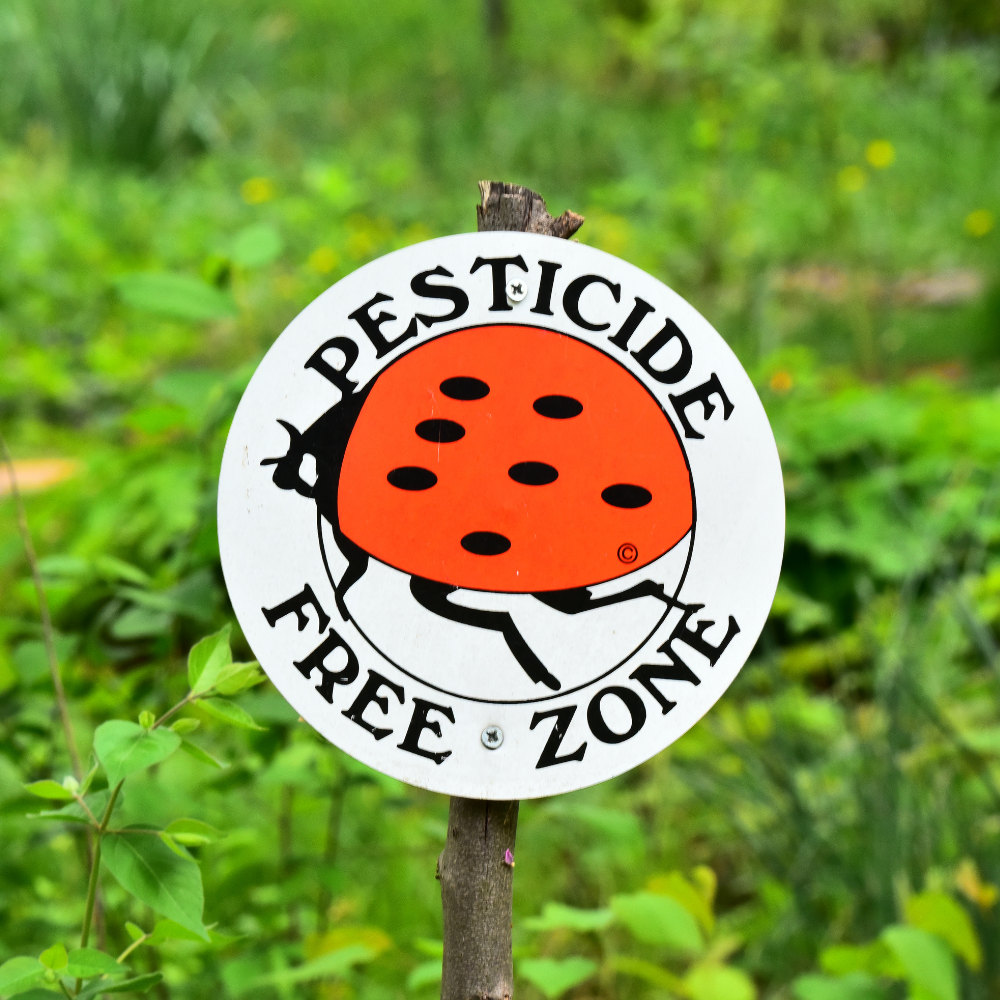
pesticide free

Skip the Pesticides

Many pesticides harm butterflies and other beneficial insects. Instead, encourage natural predators and build a healthy, balanced garden with diverse native plants.

wildlife

Create Wildlife Habitat

Leave a few natural areas in your garden. Leaf litter, seed heads, and dense plants provide shelter for butterflies and many other beneficial insects.

garden

Every Garden Helps

You do not need a large yard to make a difference. A few native milkweeds and nectar plants can provide food and shelter for monarchs.

Even so, you do not need a large yard to make a difference. A few native milkweeds and nectar plants can provide food and shelter for monarchs.