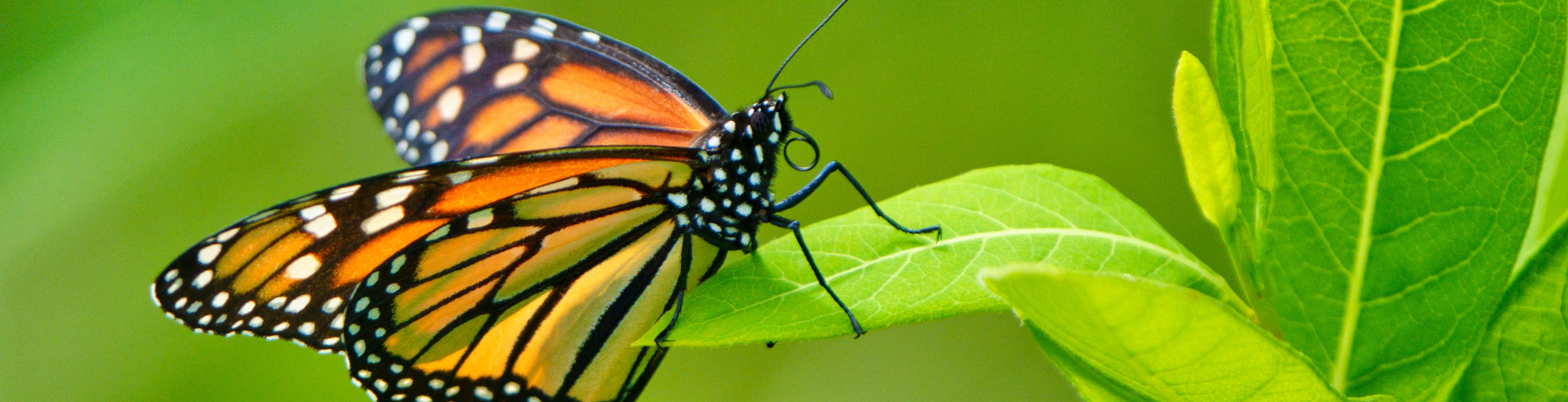
The Importance of Milkweed for Monarchs
How to Help Monarch Butterflies?

Recent wildfires across Southern California have devastated milkweed habitats, further threatening the already declining Monarch butterfly population. Milkweed, more than just a beautiful addition to your garden, is a vital plant for sustaining these iconic pollinators. Monarchs, known for their remarkable migration and striking orange and black wings, depend entirely on milkweed for their survival. Here, we’ll explore why milkweed is essential, the most common varieties, and why Asclepias fascicularis (narrowleaf milkweed) is the top choice for the southwestern U.S.
Why Monarchs Need Milkweed?
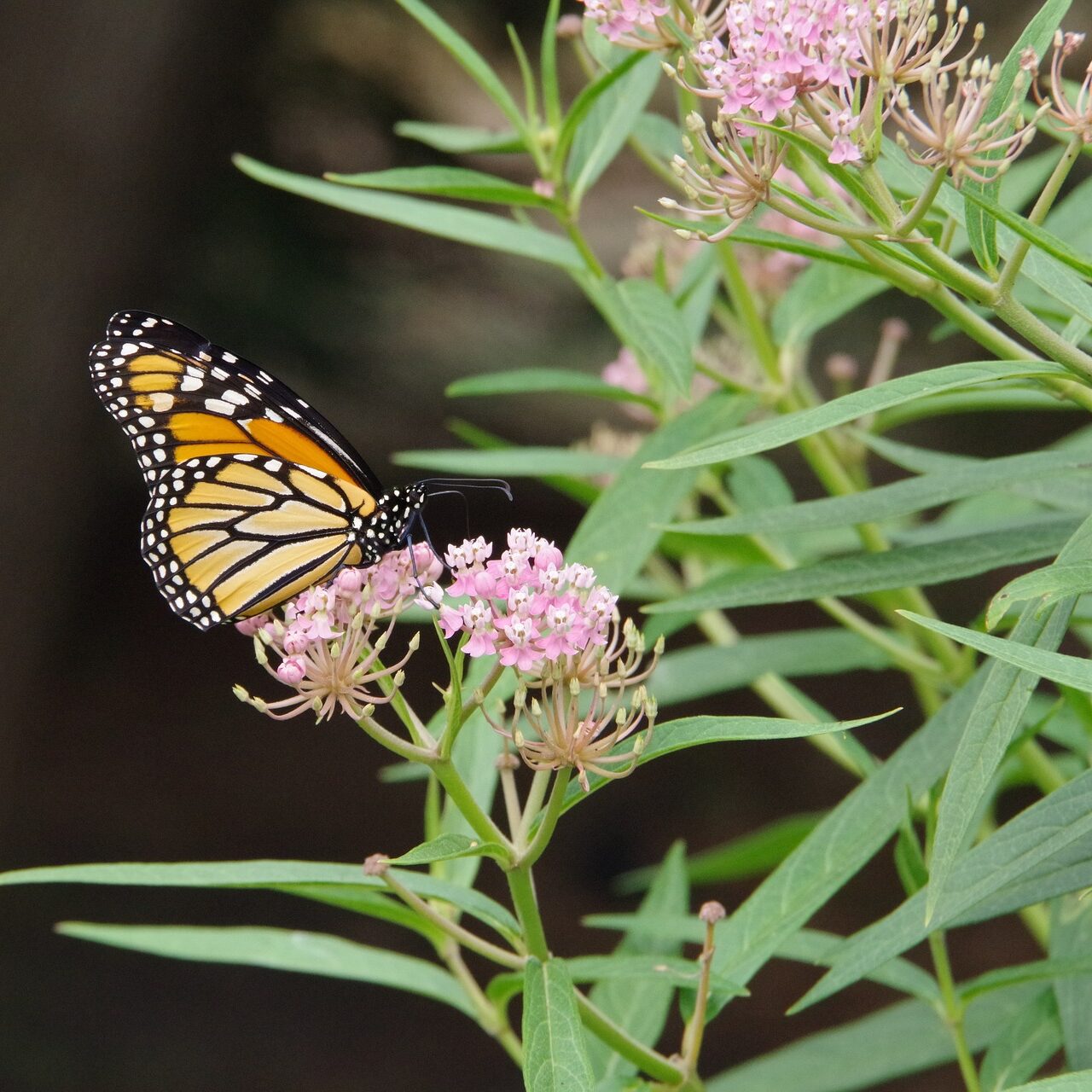
Milkweed is the sole host plant for Monarch butterflies. Monarch caterpillars feed exclusively on milkweed leaves, which provide the nutrients they need to grow and develop. Without milkweed, there would be no Monarch butterflies. Additionally, milkweed flowers produce nectar that sustains adult Monarchs during their migration and breeding season. Unfortunately, milkweed populations have dwindled due to urban development, agriculture, and pesticide use, threatening the survival of these majestic pollinators. Replenishing milkweed in your garden can make a significant difference in supporting Monarch populations.
What Is the Biggest Threat to Monarch Butterflies?

The primary threat to Monarch butterflies is the loss of milkweed breeding habitat due to urbanization, agriculture, and pesticide use. Without sufficient milkweed, Monarch populations cannot sustain themselves. Climate change and habitat fragmentation further exacerbate this issue, making it even more urgent to plant milkweed and create safe havens for these vital pollinators.
Common Milkweed Varieties
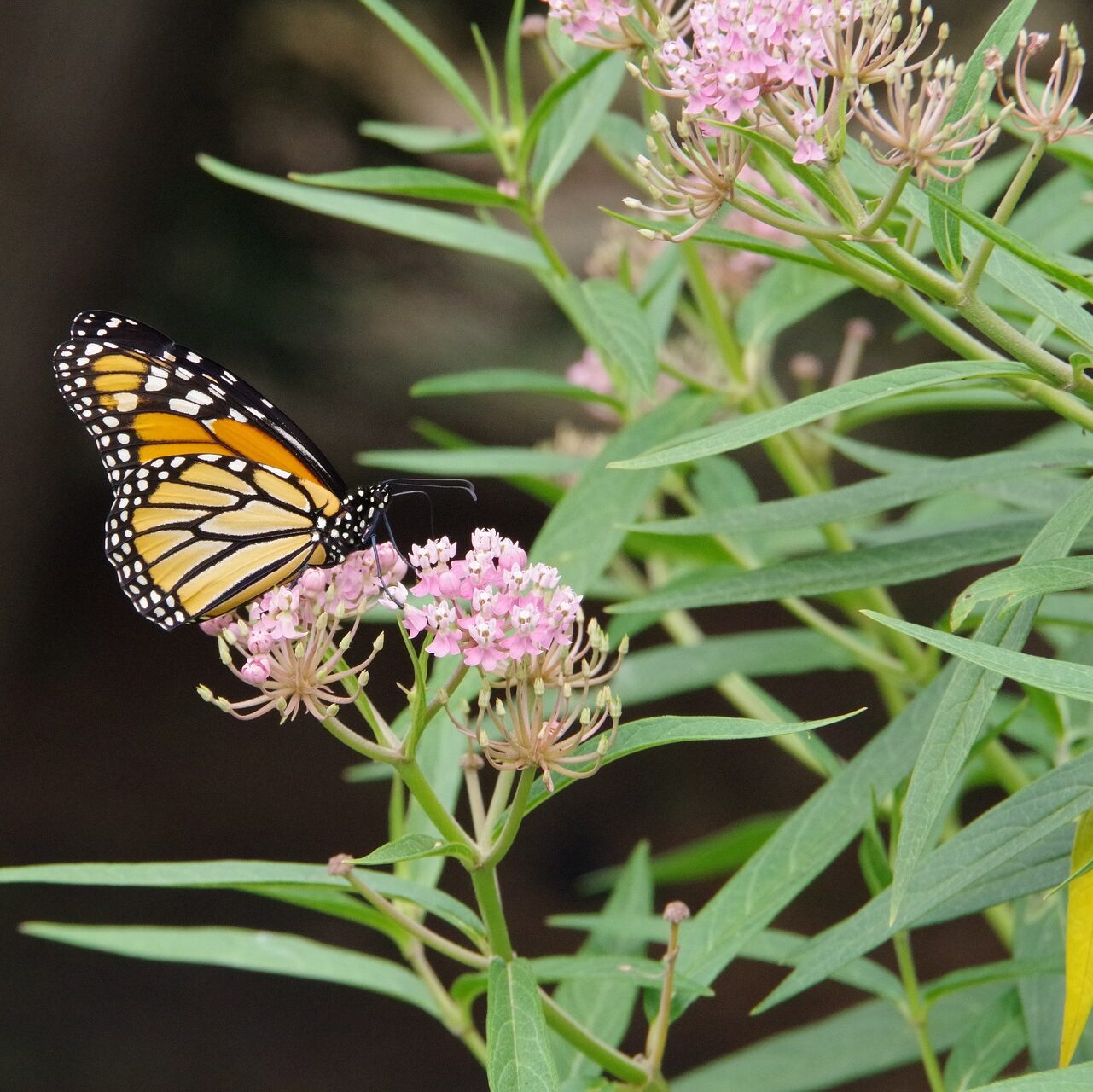
There are several species of milkweed to consider, each with its own pros and cons:
- Asclepias fascicularis (Narrowleaf Milkweed)
- Pros: Native to the southwestern U.S., drought-tolerant, and highly attractive to Monarchs. This variety is well-adapted to the local climate and soil, making it the recommended choice for your region.
- Cons: Can look sparse compared to other milkweed varieties, but its benefits far outweigh its aesthetic simplicity.
- Asclepias speciosa (Showy Milkweed)
- Pros: Large, fragrant flowers and attractive foliage. Also a great host plant for Monarchs.
- Cons: Requires more water and care, making it less ideal for arid climates.
- Asclepias curassavica (Tropical Milkweed)
- Pros: Bright, colorful flowers that bloom year-round in warm climates.
- Cons: Non-native and can disrupt Monarch migration patterns if not cut back in the fall. Additionally, Tropical Milkweed can harbor the OE parasite because it doesn’t go dormant in winter. Gardeners can mitigate this risk by cutting it back annually to prevent the parasite from surviving over winter.
Why Choose Asclepias Fascicularis
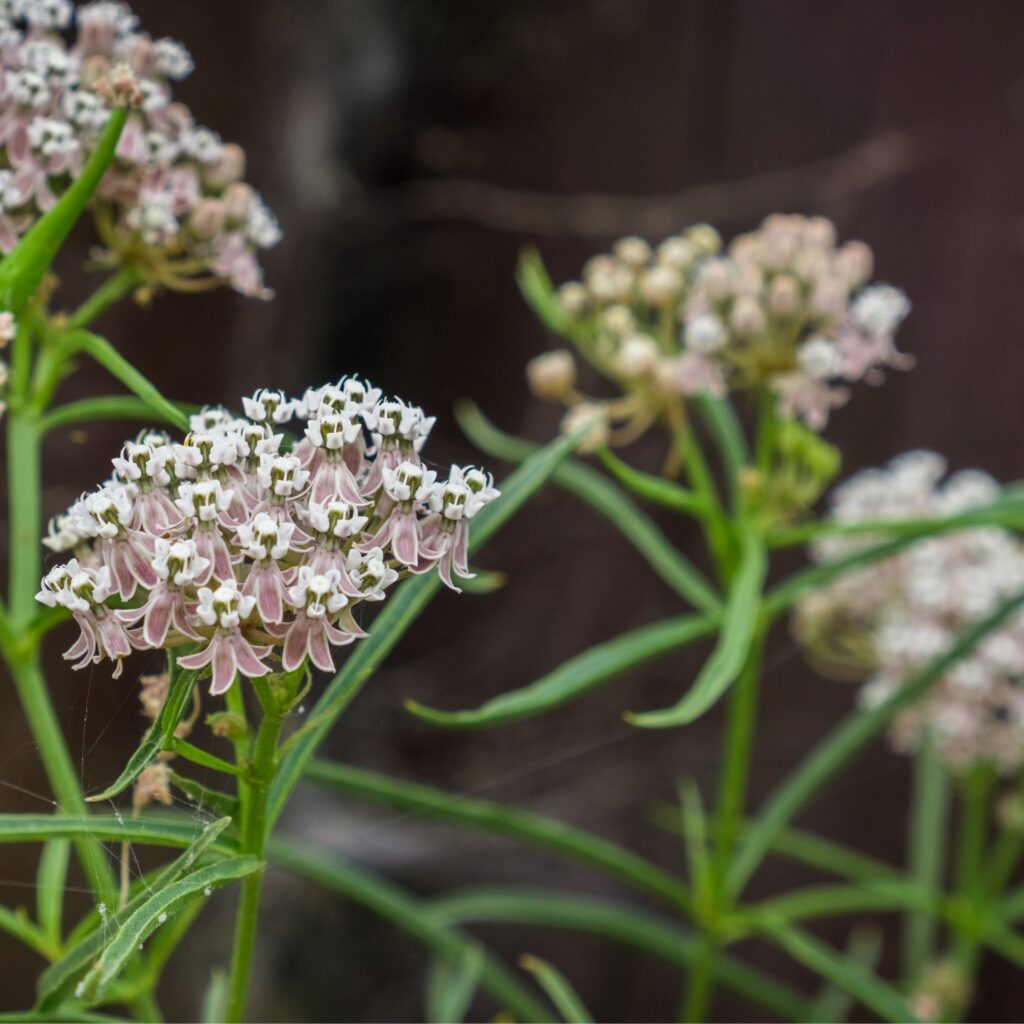
Asclepias fascicularis is the ideal milkweed species for the southwestern U.S. because it is perfectly adapted to the region’s climate. Its narrow leaves and pale pink to lavender flowers are a magnet for Monarchs, and it requires minimal water once established. By planting this native variety, you’re supporting the local ecosystem and ensuring Monarchs have a safe and healthy habitat.
Growing Needs of Asclepias Fascicularis
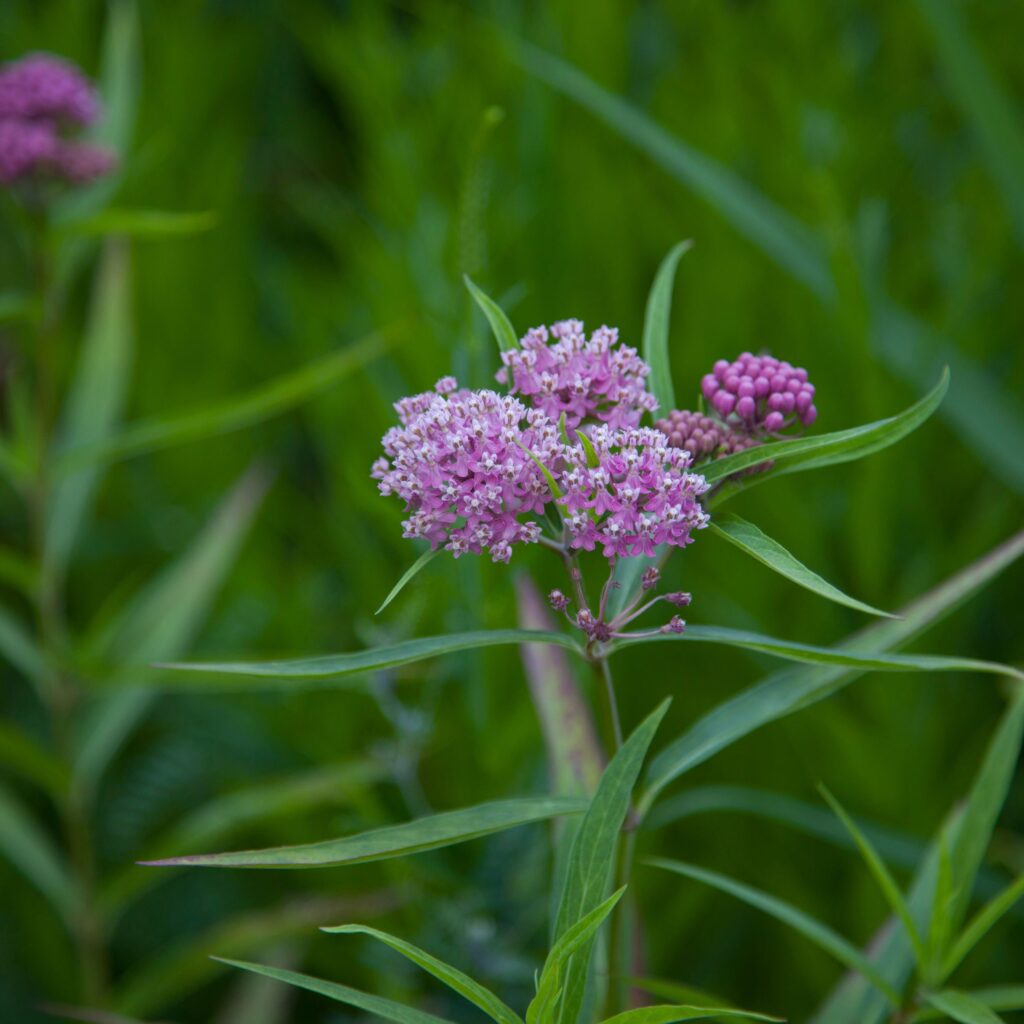
Narrowleaf milkweed thrives in full sun and well-drained soil. It is a perennial plant, meaning it will return year after year, growing 2-3 feet tall. This low-maintenance plant requires little watering once established, making it perfect for drought-prone areas.
How Many Milkweed Plants Do You Need?
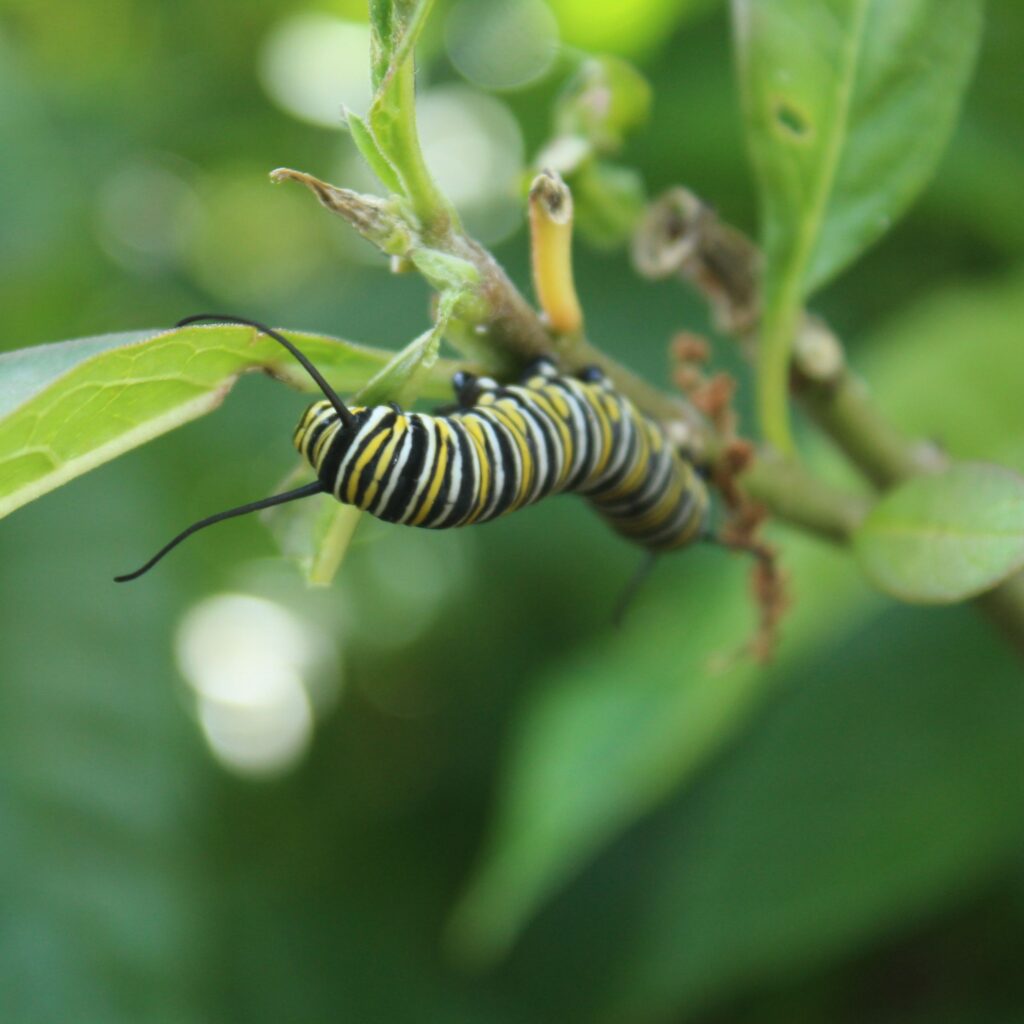
To attract Monarch butterflies, aim to plant at least 6-10 milkweed plants in clusters. Monarchs are more likely to find your garden if you have a noticeable patch of milkweed rather than scattered individual plants.
Save the Monarch
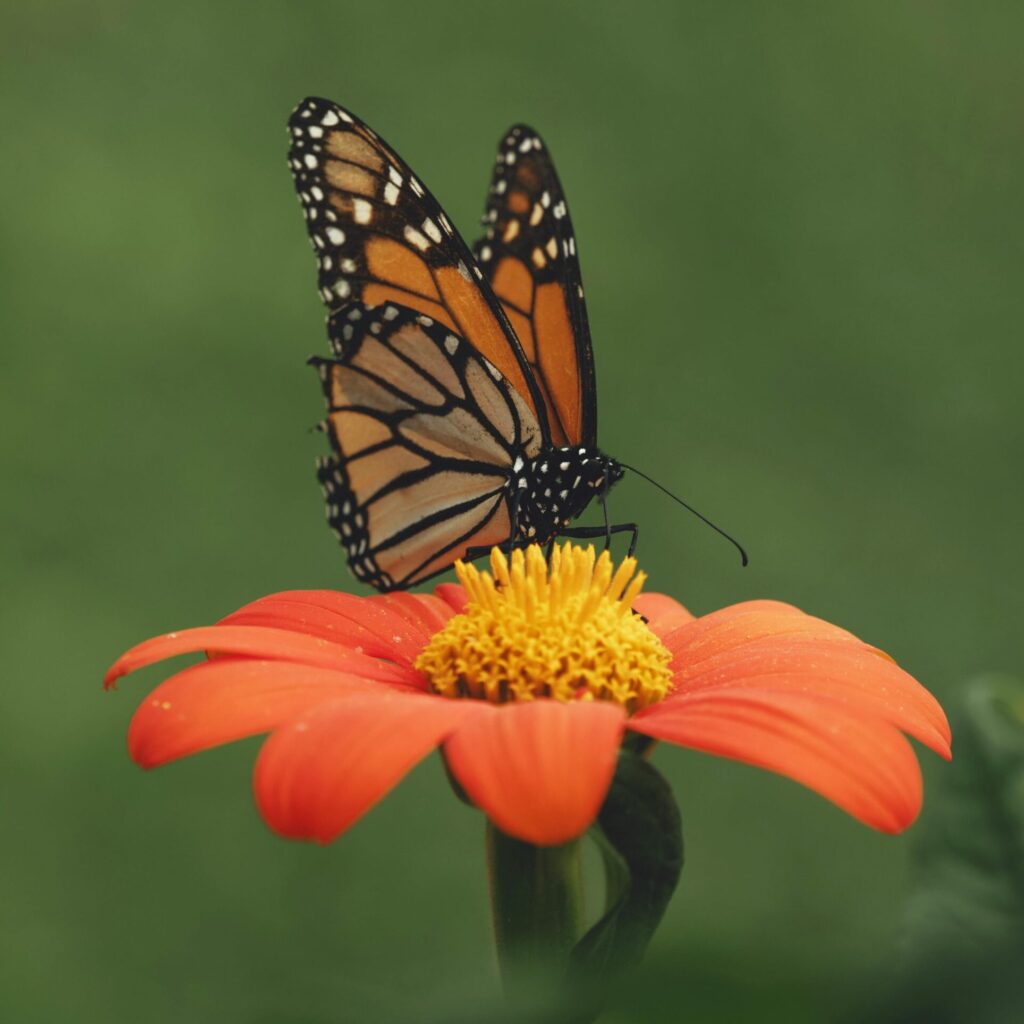
Planting milkweed is a simple yet impactful way to make a difference. Asclepias fascicularis offers an excellent opportunity to create a Monarch sanctuary in your own backyard while beautifying your space. Add this native wonder to your garden and become a part of the movement to save Monarch butterflies today!
Additional Benefits of Milkweed
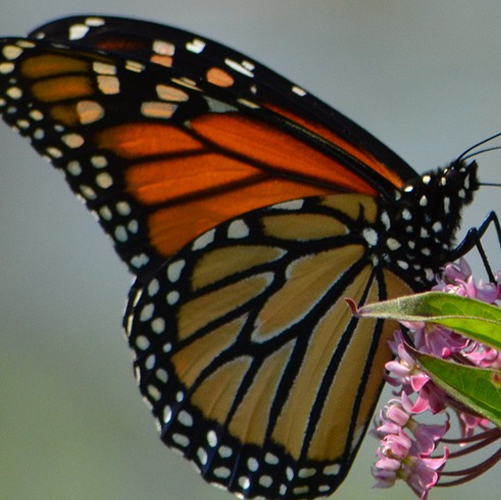
- Milkweed is a nectar source for other pollinators, including bees and hummingbirds.
- Native milkweed varieties like Asclepias fascicularis are resilient and help restore balance to local ecosystems.
- By planting milkweed, you’re contributing to the conservation of an iconic species and supporting biodiversity.
-
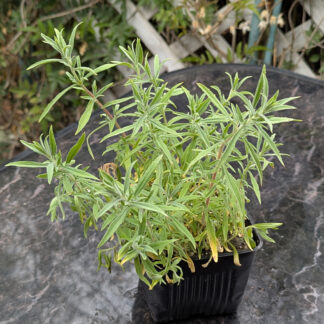
California Fuchsia. Epilobium californica 4 Inch
$9.99 Add to cart -
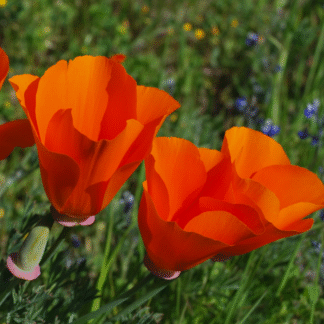
California Poppy Red 3 inch
$5.99 Read more -
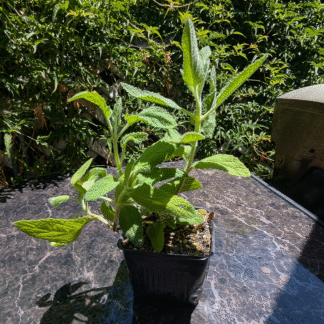
Lepechinia fragrans – Fragrant Pitcher Sage 4 inch
$12.99 Add to cart -
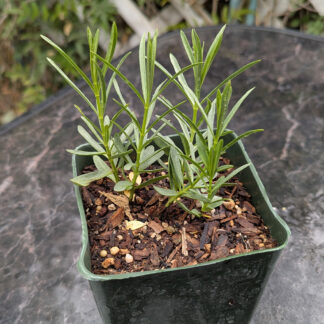
Milkweed Narrowleaf – Asclepias fasciculars 4 inch
$15.00 Add to cart -
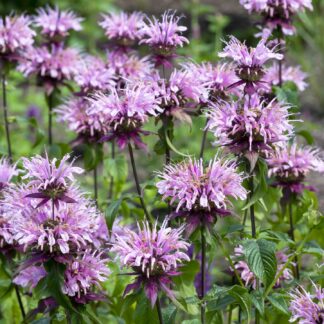
Monardella villosa ‘Russian River’ 4 inch
$7.99 Add to cart -
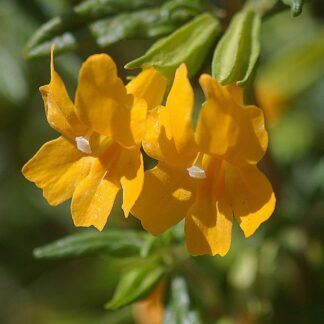
Monkeyflower Jelly Bean Yellow 4 inch
$8.99 Read more -
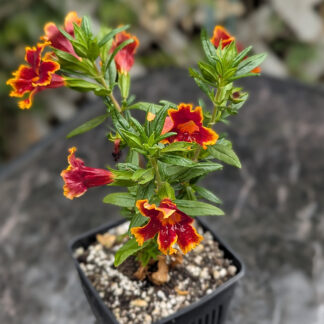
Monkeyflower, Mimulus, fiesta 4 inch
$12.99 Read more -
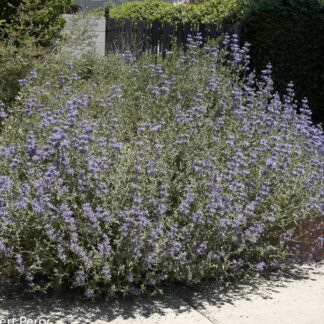
Salvia ‘Allen Chickering’ 4 inch
$12.99 Add to cart -
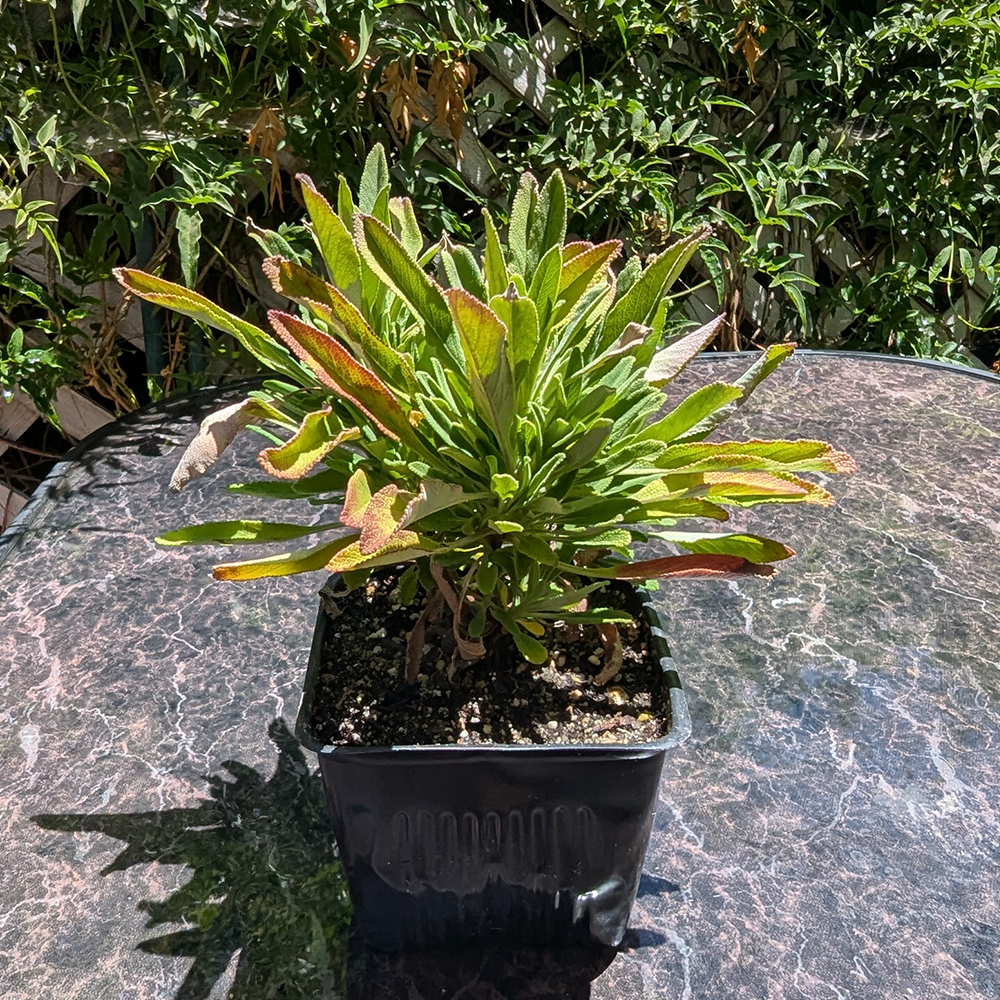
Salvia ‘Daras Choice’ 4 inch
$12.99 Add to cart -

Salvia apiana ‘Compacta’ 4 inch
$14.99 Add to cart -

Salvia apiana ‘Compacta’ 4 inch
$12.99 Add to cart -
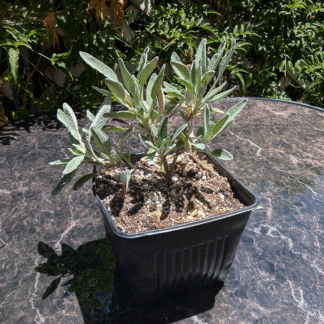
Salvia Bee’s Bliss 4 Inch
$12.99 Add to cart -
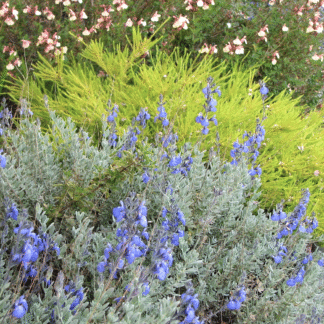
salvia chamaedryoides ‘Marine Blue’ 4 inch
$7.99 Add to cart -
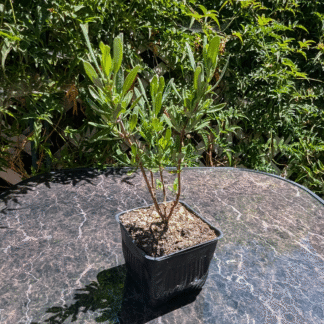
Salvia clevelandii ‘Winifred Gilman’ 4 inch
$12.99 Add to cart -
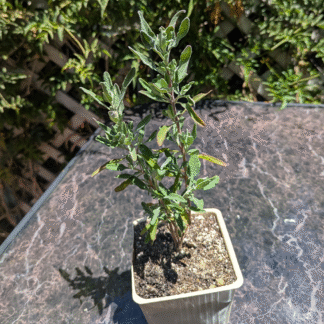
Salvia clevelandii x leucophylla ‘Pozo Blue’ 4 inch
$12.99 Add to cart -
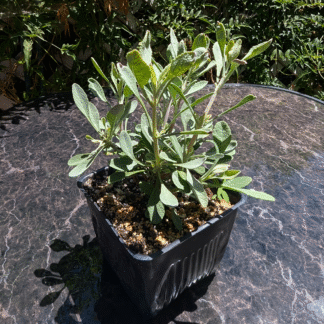
Salvia clevelandii x pachyphylla ‘Celestial Blue’ 4 inch
$12.99 Read more -
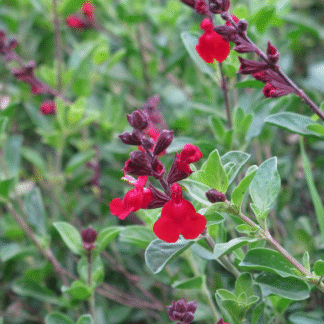
Salvia Lemonii – Lemon’s Sage red 3 inch
$7.99 Read more -
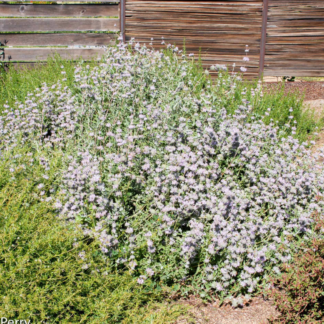
Salvia leucophylla ‘Pt. Sal’ 4 inch
$12.99 Add to cart -
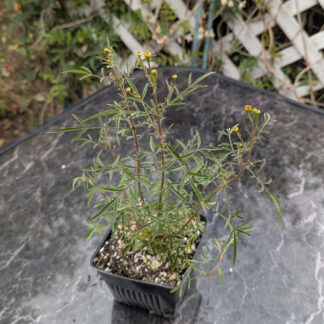
Tagetes Lemonii or Mexican Mint Marygold 4 Inch
$7.99 Add to cart -
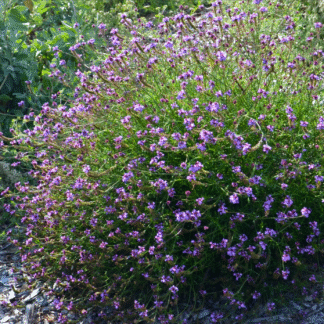
Verbena lilacina de la mina 4 inch
$7.99 Add to cart -
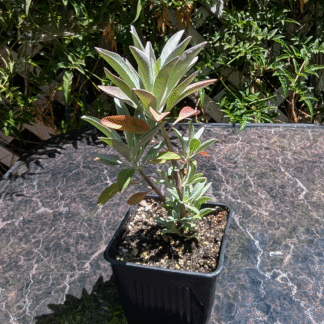
White Sage -Salvia Apiana 4 Inch
$12.99 Add to cart